






Understanding the IMD's Outlook
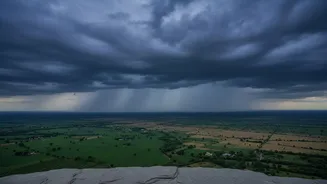
The IMD's forecast for the second half of the southwest monsoon season (August-September 2026) predicts below-normal rainfall for the country as a whole. This is influenced by strengthening El Niño conditions in the Pacific Ocean, which can suppress monsoon rainfall in India.
However, the forecast isn't uniform. Some parts of peninsular, central, eastern, and northeastern India may still receive normal to above-normal rainfall. This mix of a generally weaker monsoon with pockets of heavy rain means the national picture alone is not enough to understand your local situation.
Why Reservoir Levels Are Your Local Reality
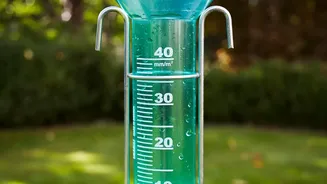
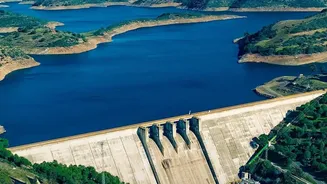
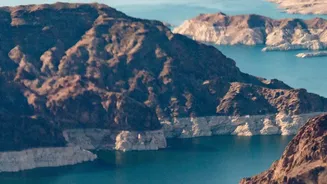
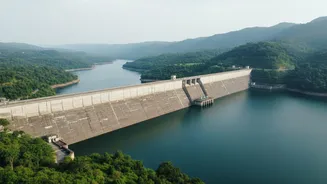
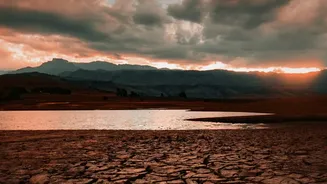
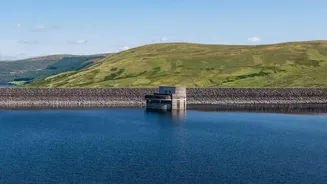
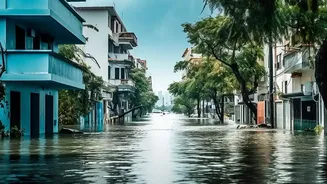
A national weather forecast gives you the big picture, but your local reservoir level is your immediate reality. These dams and storage facilities are what determine the actual availability of water for drinking, agriculture, and industry. As of late July 2026, the total live storage in India's 166 major reservoirs was significantly lower than at the same time last year, standing at about 44% of total capacity. The southern region, in particular, has seen a steep decline. Even if the IMD predicts rain for your region, a half-empty reservoir means water conservation will be crucial. Conversely, a nearly full reservoir coupled with a heavy rain warning could signal a risk of flooding.
How to Check Your Local Reservoir Data
Finding this critical information is easier than you might think. The Central Water Commission (CWC) is the primary source. It monitors major reservoirs and issues a weekly bulletin every Thursday, which is available to the public online. You can visit the CWC website to find region-wise and even individual reservoir storage levels, comparing them to last year and the ten-year average. Many state governments, such as those in Maharashtra, Madhya Pradesh, and Tamil Nadu, also maintain their own water resources department websites with more localised and sometimes daily updates on smaller reservoirs. A quick search for your state's water resources department can yield valuable data.
Smart Decisions for Households
Armed with both the IMD forecast and local reservoir data, you can make informed decisions at home. If your local reservoir is low and the forecast is for below-normal rain, it is a clear signal to be proactive about water conservation. Expect potential water cuts or rationing from your local municipality and plan accordingly. It’s a good time to fix leaks, install water-saving fixtures, and be mindful of daily usage. In contrast, if your reservoirs are already high and the IMD issues a warning for heavy rainfall in your district, be prepared for a different kind of problem. This is a cue to check for waterlogging risks in your area and take basic precautions against potential urban flooding.
A Must-Do for Travellers
For anyone planning to travel during the remainder of the monsoon, this two-part check is essential. A 'below-normal' monsoon might suggest safer travel conditions with fewer road closures, but this can be misleading. A trip to the Western Ghats, for instance, requires a close look at local conditions. If reservoirs in Coorg or Lonavala are full and a short, intense spell of rain is forecast, the risk of landslides remains high despite the broader dry trend. Conversely, if you are planning a trip to a place known for its waterfalls, like Athirappilly in Kerala, checking that local reservoirs have sufficient water will tell you if the falls will be a magnificent spectacle or a disappointing trickle. For those heading to rain-shadow areas like Ladakh, which are popular in August, the concern is less about rain and more about ensuring services are running normally.