





The Old Compromise: Dry vs. Comfortable
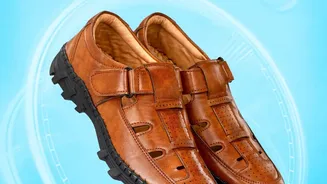
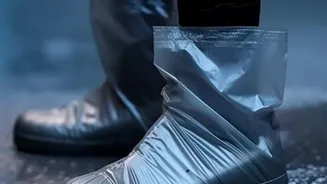
For years, monsoon footwear presented a difficult choice. On one hand, you had heavy, clunky rubber gumboots. They kept your feet dry but were often stiff, sweaty, and uncomfortable for long commutes. On the other, you had open-toed sandals or floaters
that, while quick-drying, offered little protection from dirty water and often lacked the grip needed for slippery surfaces. This forced a daily compromise between staying dry and feeling comfortable. The 2026 monsoon season, however, marks a significant evolution, with brands focusing on materials and designs that deliver on all fronts, signaling a move away from single-purpose rain shoes to versatile, all-day footwear.
The Science of Superior Grip
A non-negotiable feature for any rainy-day shoe is an anti-slip sole. This year’s best options go beyond basic rubber. The key is in the outsole design. Look for deep grooves or lugs, which are patterns designed to channel water away and increase the sole's surface area on the ground. This provides much better traction on treacherous surfaces like wet tiles, muddy paths, and slick asphalt. Material science also plays a crucial role. Softer rubber compounds tend to offer better grip on wet surfaces compared to hard, plasticky soles. Some high-end brands are even incorporating specialised sole technologies, originally developed for trail running, into everyday sneakers and boots to provide exceptional stability.
The New Era of All-Day Comfort
The biggest shift in 2026 is the focus on comfort. Manufacturers are moving toward lightweight materials that don't feel bulky or fatiguing to wear all day. The star player here is EVA (Ethylene Vinyl Acetate), a foam-like material that is not only waterproof and lightweight but also provides excellent cushioning. Many clogs, slides, and even sneakers now use EVA for its forgiving and supportive properties. Beyond the material, ergonomic designs are becoming standard, with features like cushioned footbeds and arch support to ensure comfort during long walks. Breathability, once an afterthought in waterproof shoes, is now a priority, with modern designs incorporating features that prevent feet from getting sweaty and uncomfortable.
Key Materials to Look For in 2026
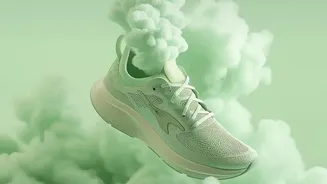
When shopping for your next pair of monsoon shoes, the material is everything. Rubber remains a top choice for its durability and excellent grip. PVC is another popular, budget-friendly waterproof option, often seen in stylish sandals and jelly shoes. As mentioned, EVA is the go-to for lightweight, cushioned comfort. A growing trend is the waterproof sneaker, which often features an outer layer of treated synthetic fabric combined with an internal waterproof membrane. This technology keeps water out while allowing sweat to escape, making them perfect for those who want the look of a regular shoe with the performance of a rain boot. Avoid materials like canvas, suede, and untreated leather, as they absorb water, become heavy, and can be easily damaged.
Styles Dominating the Season
This monsoon, functionality meets fashion across several key styles. Clogs have cemented their place as a rainwear staple, loved for their slip-on convenience, protective closed-toe design, and comfortable, cushioned feel. Modern jelly shoes, a nostalgic throwback, have been updated with softer materials and more sophisticated silhouettes for both casual and office wear. Waterproof sneakers are increasingly popular for urban commuters who need a shoe that performs in the rain but looks appropriate indoors. For those who prefer an open design, waterproof slides and floaters with robust, grippy soles remain a practical choice for less intense rainy days. Even classic rain boots are getting a makeover, with trendier ankle-length and flatform styles offering a contemporary twist.