




Beyond the Basic Water Bottle
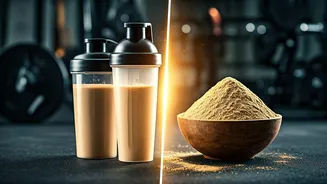
For years, the fitness world has been dominated by neon-coloured sports drinks promising to replenish what your workout takes out. While hydration is non-negotiable, many of these commercial drinks come with a high sugar content and a long list of artificial
ingredients. Water is essential, but after a particularly strenuous session, your body craves more than just H2O. It needs to replace lost electrolytes like sodium and potassium, and it needs protein to begin repairing muscle tissue. This has led many health-conscious individuals to look for natural, whole-food alternatives that do the job without the unnecessary additives. The answer might not be in a high-tech lab, but in a combination of two traditional, nutrient-dense ingredients.
Buttermilk: The Original Cooling Refresher
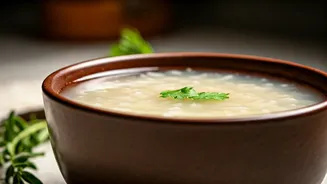
In India, buttermilk, or *chaas*, has been a beloved summer cooler and digestive aid for generations. But its benefits extend far beyond the dining table and into the realm of athletic recovery. Traditional buttermilk is a fantastic source of hydration. It's naturally rich in electrolytes, including potassium and sodium, which are crucial for restoring fluid balance after sweating. Unlike heavy milkshakes, it’s light on the stomach and easily digestible. Furthermore, as a fermented food, it contains probiotics that support gut health—a key component of overall wellness and efficient nutrient absorption. Its cooling properties also help in bringing down the body temperature after intense physical exertion, making you feel refreshed and comfortable.
Chia Seeds: The Tiny Nutrient Powerhouse
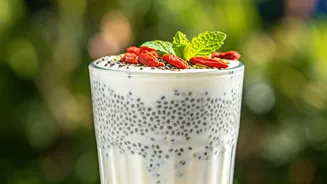
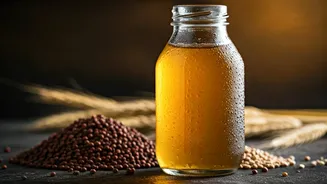
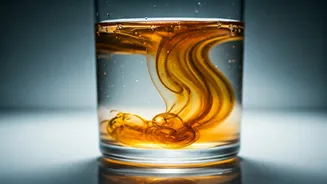
Don't be fooled by their tiny size; chia seeds are one of the most nutrient-dense foods on the planet. For post-workout recovery, they offer a trifecta of benefits. Firstly, they are hydrophilic, meaning they can absorb up to 10-12 times their weight in water. When soaked, they form a gel that helps prolong hydration and maintain electrolyte balance. Secondly, chia seeds are a complete protein, containing all nine essential amino acids necessary for muscle repair and growth. A couple of tablespoons can significantly boost the protein content of your recovery drink. Finally, they are packed with omega-3 fatty acids, which are known for their anti-inflammatory properties. This can help reduce exercise-induced inflammation and muscle soreness, potentially speeding up your recovery time.
The Perfect Pair: Why They Work Together
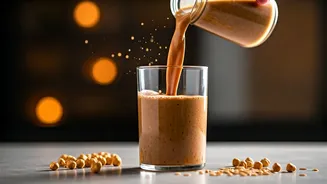
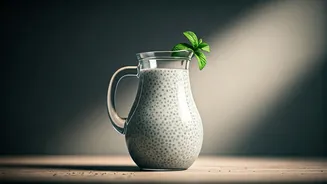
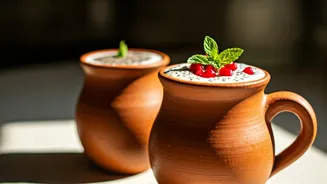
When you combine buttermilk and chia seeds, you create a post-workout drink that is far greater than the sum of its parts. The buttermilk provides instant hydration and electrolytes, while the chia seeds help your body retain that fluid for longer. The light, watery consistency of *chaas* is the perfect medium for the chia seeds to plump up, creating a drink with a satisfying texture that isn't too thick or heavy. The protein from the chia seeds complements the natural nutrients in the buttermilk, creating a balanced recovery fuel that kick-starts the muscle repair process. You get hydration, electrolytes, complete protein, probiotics, and anti-inflammatory omega-3s all in one simple, natural, and inexpensive glass.
Your Simple Chia Seed Buttermilk Recipe
Making this drink is incredibly simple. There's no need for a blender or any fancy equipment. Here’s a basic recipe you can customise: **Ingredients:** - 1 glass (approx. 250 ml) of plain, unsalted buttermilk (*chaas*) - 1-2 tablespoons of chia seeds - A pinch of black salt (*kala namak*) for extra minerals - Optional: finely chopped mint leaves or roasted cumin powder (*jeera*) for flavour **Instructions:** 1. Pour the buttermilk into a glass. 2. Add the chia seeds and stir well to prevent clumping. 3. Let the mixture sit for at least 10-15 minutes to allow the chia seeds to swell and form a gel. You can also prepare it before your workout and leave it in the fridge. 4. Before drinking, add a pinch of black salt and any optional flavourings like mint or cumin powder. Stir once more and enjoy. This drink is best consumed within 30-60 minutes after your workout, which is the optimal window for nutrient absorption and muscle recovery.