





The Great Fat Divide
Not all fats are created equal. They are broadly divided into two categories: saturated and unsaturated. Saturated fats, which are solid at room temperature, are found in high amounts in animal products like butter and lard. A diet high in saturated fat can
raise levels of LDL, or "bad" cholesterol, which is linked to an increased risk of heart disease. Unsaturated fats, on the other hand, are typically liquid at room temperature and are known as 'healthy fats'. These are found in plant sources and are further divided into monounsaturated and polyunsaturated fats. Experts recommend replacing saturated fats with unsaturated ones to help lower cholesterol and reduce heart disease risk.
Putting Butter Under the Microscope
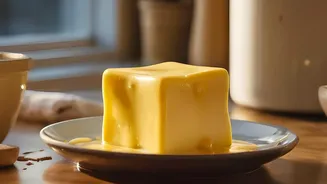
Butter, a beloved ingredient in many dishes for its rich flavour, is primarily composed of dairy fat. This makes it high in saturated fat. For example, a single tablespoon of butter can contain around 7 grams of saturated fat, which is a significant portion of the daily recommended limit of less than 13 grams for a 2,000-calorie diet. While it's a natural product and can be part of a balanced diet in small amounts, regular, high consumption can contribute to elevated cholesterol levels. The key is moderation. The health concerns associated with butter are not about eliminating it entirely, but about being mindful of the quantity, especially for those with or at risk of cardiovascular conditions.
What 'Cold-Pressed' Actually Means
The term 'cold-pressed' refers to how the oil is extracted from seeds or nuts. It's a mechanical process that uses pressure to squeeze out the oil, without using high heat or chemical solvents. The temperature is kept low, typically below 50°C, to ensure the oil's natural properties are preserved. This method is different from commercial refining, where high heat and chemicals are used to extract more oil and give it a longer shelf life. The downside of refining is that it can strip away many of the oil's beneficial nutrients, antioxidants, and natural flavour. Cold-pressed oils, by contrast, retain more of their original vitamin E, antioxidants, and fatty acid integrity, making them a more natural and nutritionally dense choice.
The Nutritional Power of Healthy Oils
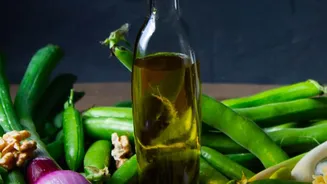
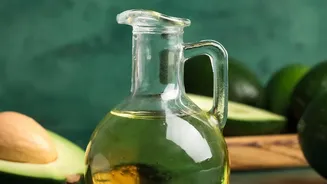
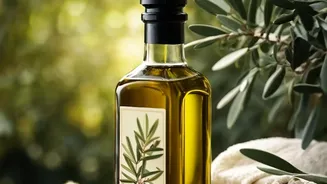
Cold-pressed oils are rich in monounsaturated and polyunsaturated fats (MUFAs and PUFAs). Olive oil, peanut oil, and canola oil are great sources of MUFAs, while sunflower oil, walnut oil, and fatty fish provide PUFAs. These fats are celebrated for their health benefits. They help lower LDL (bad) cholesterol while potentially maintaining HDL (good) cholesterol, reduce inflammation, and provide essential fatty acids like omega-3 and omega-6 that the body cannot produce on its own. Studies suggest that replacing saturated fats with these healthier unsaturated fats is a proactive step towards better heart health.
Making the Switch in the Indian Kitchen
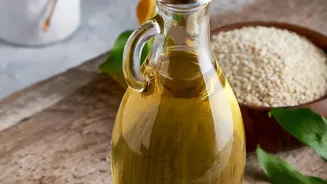
Incorporating cold-pressed oils into Indian cooking is both easy and traditional. In fact, before refined oils became widespread, regional Indian cuisines evolved around local cold-pressed oils. For versatile, everyday cooking and even deep frying, cold-pressed groundnut oil is an excellent choice due to its neutral flavour and stability. For North Indian dishes and pickles, the pungent flavour of cold-pressed mustard oil is classic. In South India, sesame oil is essential for tempering dals and chutneys, while coconut oil provides the authentic flavour for many coastal and Kerala dishes. The key is to use the right oil for the right dish, considering both flavour and smoke point for the best culinary and health results.