





The Gold Standard: Understanding Whey's Reputation
For decades, whey protein has been the undisputed champion in the world of sports nutrition, and for good reason. A byproduct of cheese production, whey is a complete protein, meaning it contains all nine essential amino acids your body needs but can't
make on its own. Its biggest claim to fame is its rapid absorption rate; whey is digested quickly, flooding your muscles with the amino acids needed for repair, typically within one to two hours of consumption. This makes it a popular choice for that post-workout window when muscles are primed for recovery. After a tough training session, your muscle fibers have undergone microscopic damage, and protein provides the building blocks to repair them, leading to growth and increased strength.
Leucine: The Key That Starts the Engine
Beyond its speed, whey's effectiveness is largely due to its high concentration of a specific branched-chain amino acid (BCAA) called leucine. Think of leucine as the master switch for muscle protein synthesis (MPS), the process your body uses to repair and build muscle tissue. A typical 25-gram serving of whey protein delivers about 2.5 to 3 grams of leucine, which is considered the optimal amount to kickstart the MPS process effectively. This potent combination of rapid digestion and a high leucine content cemented whey's status as the go-to for athletes aiming to maximize muscle repair as quickly as possible.
The Rise of Sophisticated Plant Blends
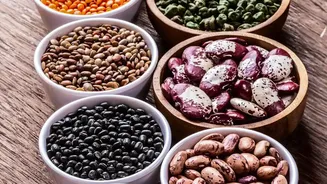
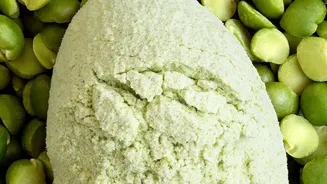
In the past, plant-based proteins were often seen as inferior because most single sources, like rice or hemp, are 'incomplete,' meaning they are low in one or more essential amino acids. Rice protein, for example, is low in lysine, while pea protein is low in methionine. However, the game has changed with the advent of plant protein blends. By combining different plant sources, such as pea and rice protein, manufacturers can create a complete amino acid profile that rivals whey. These modern blends are engineered to provide a robust profile of all essential amino acids, making them a far more effective option for muscle repair than their single-source predecessors.
Comparing Speed and Substance
When it comes to the headline question of speed, whey protein still holds a slight edge. It is generally absorbed faster than plant proteins, which often contain fiber and other compounds that slow digestion. Plant proteins may take 3-4 hours to be fully absorbed, compared to 2-3 hours for whey. However, recent science suggests this difference in speed might not be as critical as once thought. Studies have shown that when a plant protein blend is fortified with extra leucine to match the amount in whey, it can stimulate muscle protein synthesis to a nearly identical degree. Research has also found no significant difference in protein absorption between whey and a plant blend, suggesting blends can be just as effective at supporting muscle repair after a workout. The slower, more sustained release of amino acids from plant proteins can also be beneficial, helping to keep muscles fed over a longer period.
The Verdict: Does Speed Win the Race?
While whey protein is absorbed more quickly, the evidence suggests that for most people, this speed advantage doesn't necessarily translate to better long-term muscle repair or growth. High-quality plant protein blends, especially those combining sources like pea and rice, can deliver a complete amino acid profile and enough leucine to effectively trigger muscle repair. Some studies have found comparable gains in muscle thickness and strength between groups using pea protein and those using whey, provided their total daily protein intake was the same. The consensus is shifting: as long as you consume a sufficient amount of high-quality protein with an adequate leucine content (around 20-30 grams per serving), both whey and modern plant blends can effectively support muscle tissue repair.