



From Heirlooms to Wardrobe Staples
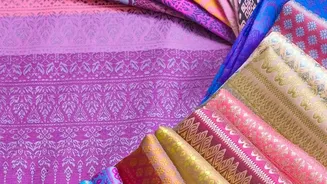
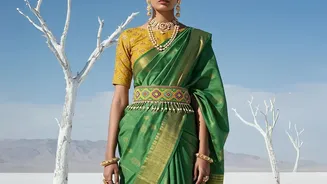
The rustle of a Banarasi silk saree or the soft fall of a Chanderi kurta has long been associated with grand celebrations. These textiles were seen as precious heirlooms, too delicate or too formal for the rigours of a regular Tuesday. That perception
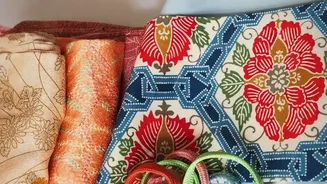
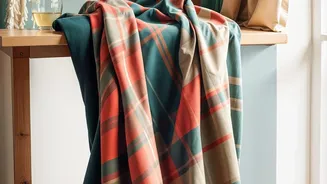
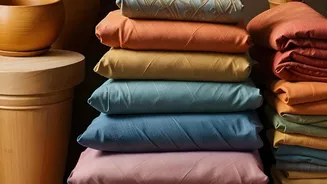
is now shifting dramatically. A new generation of consumers and designers is looking at handloom not as something to be preserved in a trunk, but as a fabric to be lived in. This revival is driven by a desire for fashion that is personal, purposeful, and tells a story that mass-produced clothing simply cannot. Fabrics like Khadi, handloom cotton, and linen are becoming go-to choices for office and daily wear, celebrated for their breathability, comfort, and durability.
Designers Championing the Revival
Contemporary Indian designers are at the forefront of this movement, reinterpreting age-old weaves for modern sensibilities. Labels like 11.11 / eleven eleven are creating handwoven denim and indigo-dyed separates, proving that handloom can be edgy and contemporary. Ekaya Banaras, backed by a long textile legacy, is making Banarasi weaves relevant beyond bridal trousseaus by creating jackets, co-ord sets, and fun, modern sarees. Similarly, designers are taking fabrics like Ikat, Jamdani, and even luxurious silks and transforming them into office-appropriate shirts, breezy dresses, and chic accessories. They are bridging the gap between artisan and consumer, creating pieces that honour tradition while fitting seamlessly into a global wardrobe.
A Conscious and Sustainable Choice
The move towards everyday handloom is deeply intertwined with a growing global consciousness around sustainability. In an era of fast fashion, handloom stands as a beacon of slow, ethical production. The production process itself is inherently eco-friendly; hand-operated looms consume no electricity, reducing the carbon footprint significantly. Many weavers use natural fibres and organic, plant-based dyes, which are biodegradable and far less polluting than chemical alternatives. For many consumers, choosing a handloom garment is a deliberate act of supporting a greener planet, promoting ethical labour practices, and preserving a rich cultural heritage woven into every thread.
Weaving a Digital Future
Technology has played an unexpected but crucial role in this revival. E-commerce platforms and social media have democratised access to handloom, connecting weavers in rural clusters directly with urban and global customers. This cuts out exploitative middlemen and allows artisans to earn fairer wages while gaining a better understanding of market demands. Brands like Fabindia, Okhai, and Taneira have been instrumental in making handloom products more accessible and affordable for a wider audience. This digital visibility allows the stories behind the fabrics—of the weavers, the techniques, and the communities—to reach a new, engaged generation of buyers who value authenticity and traceability.
More Than Just a Trend
This revival is more than a fleeting fashion trend; it represents a significant cultural and economic shift. Supporting the handloom sector means sustaining the livelihoods of millions of artisans, many of whom are women in rural areas. However, the industry still faces challenges, including competition from cheaper power-loom imitations and the need to make weaving an economically attractive profession for younger generations. The future lies not in competing with machines on price, but in highlighting what they cannot replicate: the human touch, the cultural depth, and the sustainable soul of the fabric. By making handloom a part of our daily lives, we help ensure these timeless crafts don't just survive, but thrive.