


The Monsoon's Official Welcome
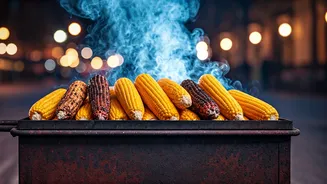
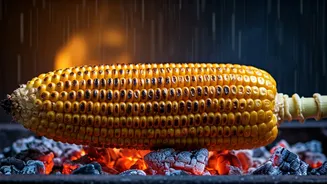
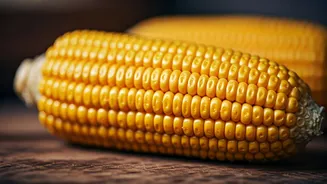
There are few pairings in Indian culinary culture as iconic as the monsoon and a freshly roasted cob of corn. As the rains begin, street corners across the country are suddenly occupied by vendors, their small carts equipped with a portable charcoal grill
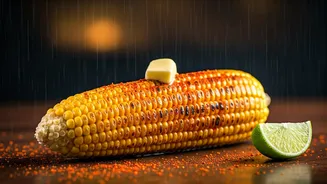
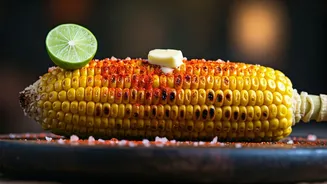
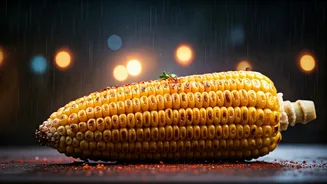
(sigri), a pile of fresh corn husks, and a few magical ingredients: salt, chilli powder, and a half-cut lime. The hiss of the kernels as they char, the smoky aroma that fills the damp air, and the patient dance of the vendor fanning the coals is a multisensory experience that signals comfort and nostalgia. For millions, this isn’t just a snack; it's the official taste of the season, a ritual that connects us to the rhythm of nature.
An Ode to Simplicity
In an age of ghost kitchens, fusion cuisine, and overly complex food trends documented on Instagram, the appeal of bhutta lies in its stark simplicity. There are no hidden ingredients, no complicated techniques. You see the corn, you watch it being roasted over real flames, and you witness the final, deft application of spices. The result is a snack that is wholesome, honest, and deeply satisfying. This transparency is a powerful antidote to a world of processed foods. It’s a return to basics — a single ingredient, cooked with fire, seasoned with bold, primary flavours. This elemental quality is perhaps why it continues to 'win hearts again'; in a complicated world, we crave the uncomplicated.
The Great Corn Debate
Not all corn is created equal, and the bhutta world has its own divide. On one side is the traditional desi bhutta, the tougher, chewier, and less sweet variety that has been grown in India for generations. Roasting it brings out a smoky, nutty flavour that many purists swear by. On the other side is the American sweet corn, with its plump, juicy kernels that burst with sugary liquid. While a boiled or steamed sweet corn cob, often slathered in butter, has its own legion of fans, the traditionalists argue that it lacks the character and bite of its desi cousin when roasted. Yet, vendors today often carry both, catering to every palate and ensuring that no one is left out of this seasonal celebration.
More Than Food, It's a Memory
Ask anyone about bhutta, and their story is rarely just about the food. It’s about stopping the car on a long drive during a downpour. It’s about huddling under a vendor’s makeshift umbrella with friends after college. It's the taste of childhood holidays, of grandparents expertly bargaining for the best cob. The act of eating bhutta is communal and experiential. You stand on the pavement, navigating the heat of the cob and the dripping lime juice, sharing a moment of simple, unadulterated joy. This powerful connection to memory and place is what elevates it from a mere snack to a cultural touchstone. It’s a flavour that is inextricably linked with the feeling of home and happiness.
The Classic Finds a New Stage
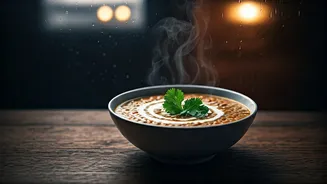
While the street-side bhutta-wala remains the undisputed king, the appeal of roasted corn has found its way into new arenas. High-end cafes and modern Indian restaurants are deconstructing and reimagining the classic. You might find it as a gourmet corn salad with feta and jalapenos, as 'charred corn ribs' drizzled with truffle oil, or as a creamy soup. These interpretations are a testament to the flavour profile’s enduring power. However, they also serve to highlight what makes the original so special. These polished versions are delicious, but they can never quite replicate the magic of standing in the rain, watching the flames, and taking that first smoky, spicy, and tangy bite.