


The Soul of the Blue Mountains
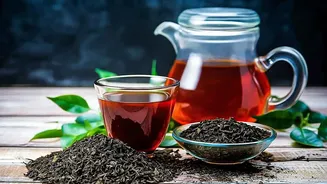
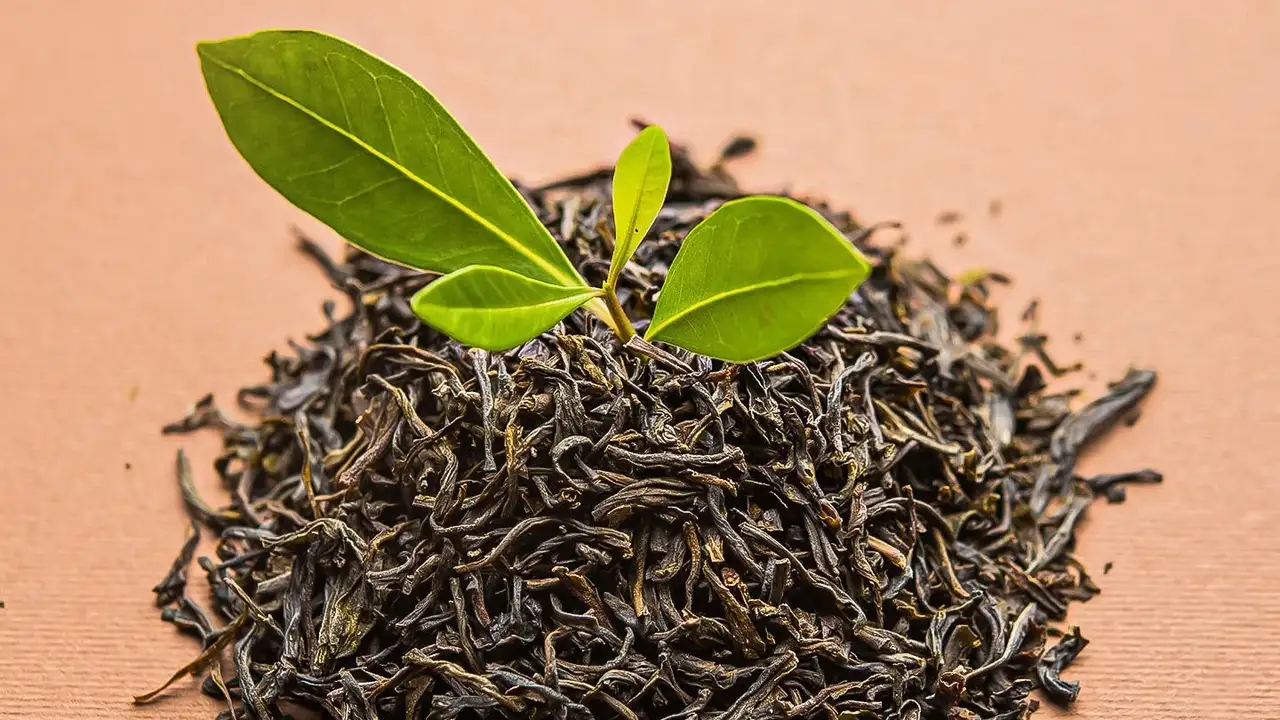
At the heart of this trend is Nilgiri tea, cultivated in the lush, high-altitude climes of the Western Ghats. Often called 'Blue Mountain tea', it is celebrated for its unique fragrance and flavour profile. Unlike the more robust Assam or the delicate
Darjeeling, Nilgiri black teas are known for being intensely aromatic, with bright, floral, and fruity notes. A key characteristic that makes it perfect for these new-age brews is its naturally low level of tannins. This means the tea is less likely to become bitter or astringent, resulting in a brew that is remarkably smooth and well-rounded. While traditionally enjoyed hot, its inherent clarity and crispness when cooled have made it a long-standing favourite for creating exceptional iced teas, setting the stage for its cold-brewed evolution.
A Slower, Smoother Infusion
The magic of these blends lies in the cold-brewing process. Instead of steeping tea leaves in hot water and then cooling it down, cold brewing involves immersing the leaves in cold or room-temperature water for an extended period, often between 6 to 12 hours. This slow, gentle infusion method fundamentally changes the drink's chemistry and taste. Heat rapidly extracts compounds like tannins and caffeine, which can lead to bitterness and a sharp taste. The cold-water method, by contrast, pulls out fewer of these components, resulting in a tea that is naturally sweeter, smoother, and significantly less bitter. Many who try it for the first time are surprised by the nuanced flavours that emerge, which are often masked by the harshness of hot brewing. This process also results in lower caffeine content, making it a pleasant and hydrating beverage that can be enjoyed throughout the day.
The Artisanal Touch
What elevates these drinks from a simple cold tea to a gourmet experience is the artisanal craftsmanship. Small-batch producers across India are embracing this method, moving away from mass-produced sugary iced teas. These creators often source their leaves directly from single estates in the Nilgiris, ensuring quality and freshness. The focus is on honouring the integrity of the tea leaf, allowing its natural character to shine. This approach mirrors a broader shift in consumer preferences towards authentic, high-quality products with a clear origin story. Brands like Tea Trunk and No. 3 Clive Road, while not exclusively focused on cold brew, champion the use of high-quality Indian teas and unique blends, paving the way for a more discerning tea culture. This hands-on approach ensures that each bottle is a carefully balanced creation.
A Symphony of Local Flavours
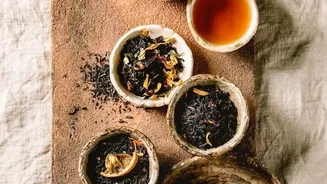
The final, brilliant touch is the infusion of fresh, local fruits. The Nilgiri region itself is a treasure trove of produce, boasting native and cultivated fruits like peaches, plums, pears, passion fruit, and various berries like wild raspberry and mulberry. Artisanal makers are pairing the floral notes of Nilgiri tea with the natural sweetness and tartness of these fruits. Imagine a brew infused with the juice of ripe passion fruit, slices of sweet plum, or a handful of fresh berries. These additions are not about masking the tea but complementing it. The fruit's natural sugars provide a gentle sweetness, eliminating the need for refined sugar and creating a genuinely refreshing, guilt-free beverage. Popular pairings include citrus, peaches, mango, and various berries, which enhance the tea's own fruity undertones.