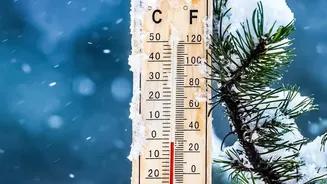








Every winter, the story is the same: as temperatures drop, coughs and colds rise. For generations, we've blamed chilly air for making us sick, but modern health advice tells a different story. The real culprit isn't the cold itself.
It's Not the Cold, It's the Indoors
Let's clear this up:
you don't catch a cold from the cold. Illnesses like the common cold and flu are caused by viruses, not by low temperatures. The reason sickness rates spike in winter is largely due to our behaviour. When it gets chilly outside, we head indoors, close the windows, and spend more time in close quarters with other people at home, school, and work. These crowded, sealed environments become perfect incubators for germs, allowing viruses to pass easily from person to person. So while bundling up is always a good idea for staying warm, the weather itself isn't the direct cause of your sniffles.
The Science of Dry, Stale Air
Winter air, both outside and especially inside our heated homes, is incredibly dry. This low humidity has two major effects that help viruses thrive. First, it dries out the protective mucous membranes in our nose and throat, which are a key part of our immune system's first line of defence for trapping germs. A weaker barrier makes it easier for viruses to take hold. Second, studies show that in dry air, the tiny respiratory droplets we expel when we breathe or talk become smaller and lighter. This allows them to stay suspended in the air for much longer, increasing the chances that someone else will inhale them. Research indicates that keeping indoor humidity between 40% and 60% can significantly reduce viral transmission.
Let Fresh Air In: The Power of Ventilation
If stale indoor air is the problem, fresh air is a big part of the solution. It might feel wrong to open windows when you have the heating on, but even short bursts of ventilation can make a huge difference. This practice, sometimes called 'shock ventilation', involves opening windows fully for 5-15 minutes, a few times a day, to quickly exchange stale indoor air for fresh outdoor air without losing too much heat from the walls and furniture. Key times to ventilate are in the morning, and after activities that create moisture and particles, like showering and cooking. Using extractor fans in kitchens and bathrooms also helps pull contaminated air out. This simple habit dilutes the concentration of any airborne viruses and pollutants, reducing the overall risk for everyone indoors.
Back to Basics: Everyday Hygiene
Alongside a well-ventilated space, simple hygiene remains a cornerstone of winter health. Viruses can survive on surfaces for hours or even days, making handwashing one of the most effective ways to break the chain of transmission. Regular and thorough handwashing with soap and water removes germs you may have picked up from doorknobs, keyboards, or other shared items. It's also crucial to avoid touching your face—especially your eyes, nose, and mouth—as this is a primary way germs enter your body. Encouraging everyone in the household or workplace to adopt these habits can dramatically cut down on the spread of winter bugs.
Bolstering Your Defenses Holistically
Beyond ventilation and hygiene, a holistic approach can further strengthen your resilience. Staying hydrated helps keep your respiratory system's mucous membranes functioning properly. Ensuring you get enough sleep is also critical, as rest is when your body produces the proteins needed to fight infection. Many public health bodies also recommend staying up_to_date on vaccinations, like the annual flu shot, which is a key defence against severe illness. Finally, consider using an air purifier with a HEPA filter, which can capture and remove tiny airborne particles, including viruses, from your indoor environment.