



The Unnatural Traffic Jam
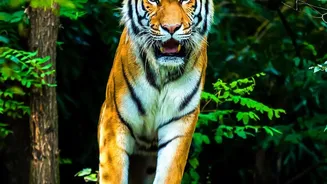
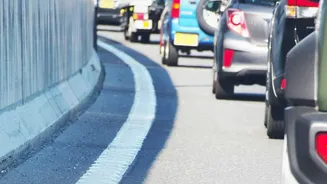
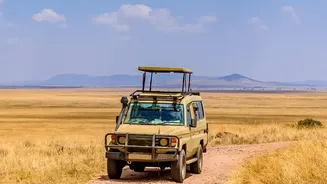
It is a scene that has become distressingly common in India's premier tiger reserves like Ranthambore, Corbett, and Bandhavgarh. A crackle on the guide's radio announces a sighting, and within minutes, a peaceful moment with nature devolves into a competitive
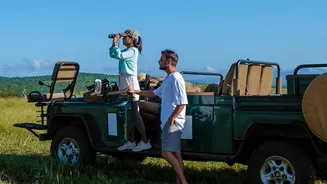
scrum. Safari vehicles converge, jockeying for position, their occupants armed with cameras and smartphones. The race for the 'perfect angle' transforms a serene habitat into a noisy, crowded spectacle. This phenomenon, often dubbed a 'tiger jam', is the most visible symptom of a deeper malaise. Instead of fostering a connection with the wild, it commodifies the experience, reducing a majestic animal to a checklist item and a social media post.
The Biological Cost to Wildlife
While tourists might leave with a prized photo, the animals are left with the consequences. Scientific studies confirm that such intense human activity inflicts significant physiological stress on wildlife. Research conducted across multiple Indian tiger reserves by institutions like the CSIR-Centre for Cellular and Molecular Biology has shown elevated levels of stress hormones, or glucocorticoids, in tigers near tourism-heavy roads. This chronic stress is not a minor inconvenience; it can negatively impact their health, hunting patterns, and even reproductive success. Tigresses, in particular, require quiet and undisturbed areas for denning. Constant vehicle noise and presence force them into less optimal parts of the forest, which poses a hidden but massive cost to the future of the population.
The Race for the Perfect Shot
The pressure for these close encounters is a two-way street. Tourists, influenced by a constant stream of dramatic wildlife photos online, arrive with high expectations. This creates immense pressure on safari drivers and guides, whose tips and reputations often depend on delivering a 'successful' sighting, which is almost always defined as a tiger or leopard. This incentivises risky behaviours like off-roading, getting too close to animals, or overstaying their time—all of which violate park rules and ethical guidelines. The safari thus shifts from an opportunity to appreciate the wilderness to a high-stakes hunt for a photo, where the animal’s welfare becomes secondary to a tourist's digital trophy.
When Rules Are Not Enough
Most national parks have regulations in place: caps on the number of vehicles, designated routes, and rules about maintaining a safe distance. However, enforcement can be lax. On the ground, the sheer volume of tourists and the economic engine of tourism often lead to these rules being bent or broken. Reports have noted that in popular reserves, the number of vehicles entering often exceeds the official recommendations. Furthermore, the issue is compounded by administrative failures, such as allowing special access for VIPs, which creates sudden crowding on routes that are already at capacity. This undermines the very system designed to protect the park's ecology. The result is a system where the rules exist on paper but fail in practice, unable to withstand the commercial and social pressures.
Redefining a 'Successful' Safari
The solution lies not just in stricter regulations, but in a fundamental shift in the tourist mindset. A safari should not be a tiger-or-bust mission. True wildlife appreciation comes from understanding the entire ecosystem—the intricate dance of predator and prey, the diversity of birdlife, the unique flora, and the tranquility of the landscape itself. Ethical tour operators are already trying to move in this direction, offering more immersive journeys focused on birding, walking safaris, or exploring lesser-known parks to ease the pressure on popular destinations. As travellers, we have the power to drive this change. By choosing operators who prioritise ethics over guaranteed sightings and by broadening our own definition of a rewarding experience, we can transform tourism into a genuine force for conservation.