






The Big Picture: A Hopeful Market
The narrative of a tough job market is shifting in 2026. Recent reports indicate that the overall hiring intent for freshers in India has climbed to 75% for the second half of the year, a noticeable increase from previous months. This optimism is fuelled
by strong domestic economic growth, a government push towards industrial expansion, and the relentless pace of digital transformation across all industries. While opportunities are growing, the nature of these jobs is changing. Companies are no longer just hiring based on degrees; they are hunting for specific, applicable skills. For a young job seeker, this means the opportunities are real, but a strategic approach is more crucial than ever.
E-commerce and Retail: Leading the Pack
The undisputed leaders in fresher recruitment right now are e-commerce and retail. These sectors have shown a staggering 93% hiring intent, reflecting the massive expansion of online shopping and organised retail into every corner of the country. For fresh graduates, this opens doors beyond typical software development roles. The biggest demand is for talent in supply chain management, logistics, warehouse operations, customer support, and digital marketing. Companies are looking for individuals who can manage inventory, coordinate last-mile delivery, analyse sales data, and handle customer interactions. These are operational, people-centric roles that are perfect entry points for graduates from diverse streams, including BCom, BBA, and arts.
Manufacturing’s Quiet Comeback
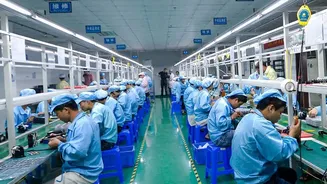
Close behind retail, the manufacturing sector is experiencing a significant revival, with an 89% hiring intent for freshers. Bolstered by government initiatives like the Production Linked Incentive (PLI) schemes, factories are modernising and expanding, creating a fresh demand for talent. This isn't your grandfather's factory floor. Today's manufacturing roles for freshers are in areas like process engineering, quality assurance, shop floor management, and automation. As smart factories become a reality, there is a growing need for engineers who can work with robotics and IoT systems. This sector offers stable, long-term careers for engineering graduates, especially from mechanical, electrical, and industrial specialisations.
IT: Still a Giant, But More Specialized
The Information Technology sector remains the single largest employer of fresh engineering graduates in India. While the overall hiring intent has seen a slight dip to 76% from earlier in the year, the sheer volume of jobs is still immense. However, the industry's demands have sharpened. The era of bulk-hiring generic Java developers is fading. Today, IT giants and startups alike are seeking specialists. The most in-demand roles are for AI Application Developers, Cloud Security Analysts, Full-Stack Developers, and Data Engineers. Proficiency in Python, cloud platforms like AWS or Azure, and frameworks for artificial intelligence are no longer just bonus skills; they are fast becoming baseline requirements.
The In-Demand Skills for 2026
Across all these booming sectors, a clear pattern emerges: skills matter more than degrees. Employers are prioritising candidates who can demonstrate practical abilities. On the technical side, skills in Artificial Intelligence and Machine Learning, Data Analytics, Cloud Computing, and Cybersecurity are gold. Knowing how to use generative AI tools responsibly is also becoming a key expectation. However, human skills are equally critical. Recruiters consistently highlight the importance of clear communication, critical thinking, problem-solving, and adaptability. In a hybrid work environment, the ability to collaborate effectively through digital tools is non-negotiable. Building a portfolio of projects, earning industry-recognised certifications, and demonstrating a willingness to learn continuously can set a candidate apart far more than academic scores alone.