




The Problem with 'Checklist' Tourism
We’ve all seen it, and many of us have done it: the frantic rush from one landmark to another, guidebook in hand, camera at the ready. This is ‘checklist tourism’, a style of travel driven by the pressure to tick off as many sights as possible in a limited
time. [13] Fuelled by social media’s endless stream of 'Instagrammable' spots, trips can become less about personal experience and more about collecting photographic proof that you were there. [5, 20] The result is often a blur of attractions and a sense of having seen everything and experienced nothing, leaving travellers feeling burnt out rather than refreshed. [18, 23]
The Antidote: What is Slow Travel?
Slow travel is the intentional choice to explore fewer places but to experience them more deeply. [14] It’s a mindset that rejects the frantic pace of modern tourism in favour of connection, mindfulness, and sustainability. [22] Inspired by the Slow Food movement, it encourages travellers to immerse themselves in the local culture, environment, and community. [3, 11] This doesn’t necessarily mean spending months in one place (though it can); it’s about the quality of your time, not the quantity of destinations you visit. [14, 22] It’s about trading a packed itinerary for the freedom to wander, discover, and truly be present. [9, 13]
More Connection, Less Stress
One of the most significant benefits of adopting a slower pace is a dramatic reduction in travel-related stress. [1, 4] Without the pressure of a rigid schedule, there is space for spontaneity and unexpected delights. [3] This approach fosters deeper connections—with the places you visit, the people you meet, and even your travel companions. [4, 7] By lingering in one location, you have the opportunity to understand its daily rhythms, shop at local markets, and eat where the locals eat. [8] These seemingly small interactions build a more authentic and memorable picture of a destination than any guided tour ever could. [1, 4]
A More Sustainable and Affordable Choice
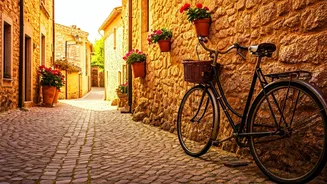
Slow travel is inherently more sustainable. By staying in one place longer and reducing transit between cities, travellers significantly lower their carbon footprint. [3, 7, 8] This approach often involves using public transport, walking, or cycling, which are not only better for the planet but also offer a more intimate perspective on your surroundings. [10] It can also be a more budget-friendly way to explore. Staying longer often allows for cheaper accommodation like weekly rentals, and self-catering by shopping at local markets can cut down on food costs significantly. [1, 7]
How to Practice Slow Travel
Embracing slow travel is about changing your mindset, not abandoning planning altogether. Start by choosing to stay longer in one place rather than hopping between multiple cities. [22] Leave room in your schedule for spontaneity; plan one anchor activity per day, not five. [23] Try to live like a local: use public transport, visit a neighbourhood cafe regularly, or take a workshop to learn a local skill. [1, 14] Ask for recommendations from residents rather than relying solely on travel guides. [1] Prioritise experiences over sights and give yourself permission to do nothing at all but soak in the atmosphere. [13] It's about letting the destination reveal itself to you, one unhurried moment at a time. [24]