




A Catastrophe in the High Mountains
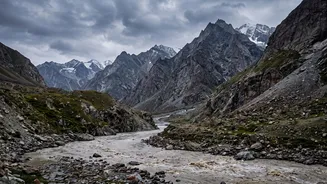
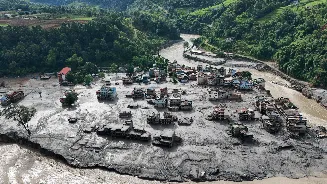
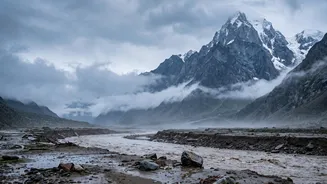
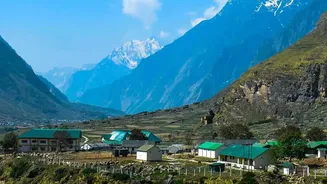
On August 26, 2026, a catastrophic flash flood tore through Nepal's northern border region with Tibet. Scientists believe the disaster began with a glacial collapse high in the Himalayas, which unleashed a torrent of water, rock, and mud down the Bhotekoshi
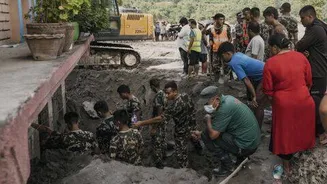
and Trishuli river systems. The wall of water was so immense it registered as a magnitude 5.2 seismic event, obliterating entire villages, bridges, and crucial infrastructure in moments. The scale of the human tragedy is staggering, with authorities reporting hundreds killed and thousands missing, including tourists, pilgrims, and local residents. Rescue efforts have been severely hampered by wiped-out roads and continued landslide risks, leaving many communities completely isolated.
An Economic Lifeline Washed Away
For Nepal, the disaster is not just a human tragedy but also a profound economic shock. Mountain tourism is a cornerstone of the nation's economy, providing livelihoods for countless guides, porters, lodge owners, and transport operators. The country was just rebuilding its tourism sector after the COVID-19 pandemic and other recent setbacks. This flood struck at a particularly vulnerable time, destroying infrastructure that is essential for trekking and pilgrimage routes, such as the popular path to Mount Kailash. With hundreds of foreign tourists reported missing, the disaster has shattered international confidence and led to widespread cancellations, threatening to cripple the industry for seasons to come.
The Unmistakable Link to Climate Change
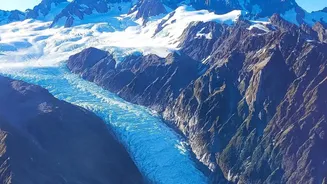
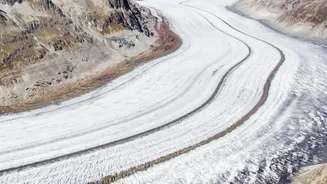
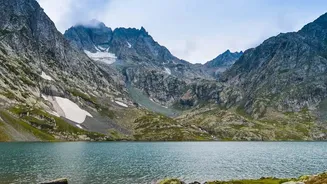
This event is a brutal reminder of the Himalayas' vulnerability to climate change. The region is warming at nearly twice the global average, causing glaciers to melt at an alarming rate. This retreat creates vast, unstable glacial lakes, which can burst their banks without warning, leading to the exact type of catastrophic flood, known as a GLOF (Glacial Lake Outburst Flood), that just occurred. Scientists and international bodies have repeatedly warned that intensifying climate shocks pose a major risk to Nepal's economy and its people. The increasing frequency of these extreme weather events means that the very mountains that draw tourists are becoming more dangerous.
Hard Questions for a Fragile Future
In the wake of the devastation, Nepal faces a difficult reckoning. The central question is how, or even if, mountain tourism can continue in its current form. The conversation is shifting towards the urgent need for a more sustainable and resilient model. This includes investing in robust early-warning systems, building climate-resilient infrastructure, and potentially regulating the number of tourists in highly sensitive areas. There are calls to move away from large-scale projects and toward community-based tourism that better distributes economic benefits and promotes environmental stewardship. The disaster has exposed the fatal risks of building in high-risk zones and the inadequacy of past environmental assessments.
The Path to a More Sustainable Summit
Rebuilding will be a monumental task. Drawing from the experience of the 2015 Gorkha earthquake, Nepal's tourism industry has shown resilience before. However, climate change presents a more persistent and unpredictable threat. The path forward cannot simply be about reconstructing what was lost; it must be about reimagining the entire approach. This crisis is an opportunity to 'build back better', integrating principles of sustainability into every aspect of the tourism strategy, from national policy to the practices of a single mountain lodge. The goal must be to create a tourism model that protects the fragile Himalayan ecosystem and the lives that depend on it, ensuring that the mountains can be a source of prosperity and wonder for generations to come, not a recurring site of tragedy.