

Embrace Wholesome Grains
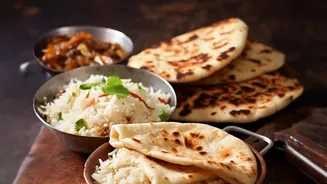
The foundation of many Indian meals is grains, making it the perfect place to start. Instead of stocking only polished white rice and refined wheat flour (atta), diversify your shelves. Incorporate whole wheat atta for chapatis, which offers more fibre
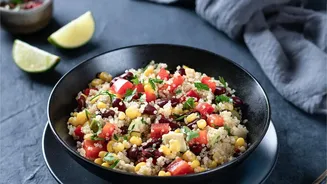
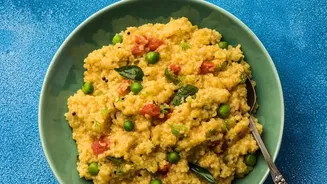
and helps keep you fuller for longer. Brown basmati rice is another excellent swap for white rice in pulao or biryani, providing a lower glycemic index and a nuttier flavour. Don't stop there; rediscover traditional Indian millets like jowar (sorghum), bajra (pearl millet), and ragi (finger millet). These ancient grains are naturally gluten-free, rich in fibre, and packed with minerals like iron and calcium. Use jowar flour for bhakri, make a comforting bajra khichdi, or introduce ragi porridge for a nutrient-dense breakfast.
Upgrade Your Cooking Fats
Fat is essential for flavour, but the type of fat matters. While refined vegetable oils are common, consider healthier, traditional alternatives. For everyday cooking, cold-pressed mustard oil is a heart-healthy choice, especially in North and East Indian cuisines, due to its favourable ratio of fatty acids. In the South, unrefined coconut oil remains a flavourful and popular option. Ghee, or clarified butter, used in moderation, also has a place in a healthy kitchen for its high smoke point and rich flavour. For dressings or light sautéing, olive oil is a versatile, heart-friendly option rich in monounsaturated fats. The key is to have a small selection of quality fats and use them mindfully, rather than relying on one large container of refined oil.
Power Up with Pulses
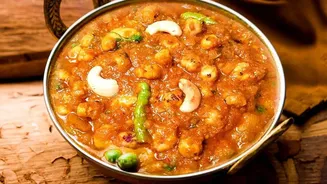
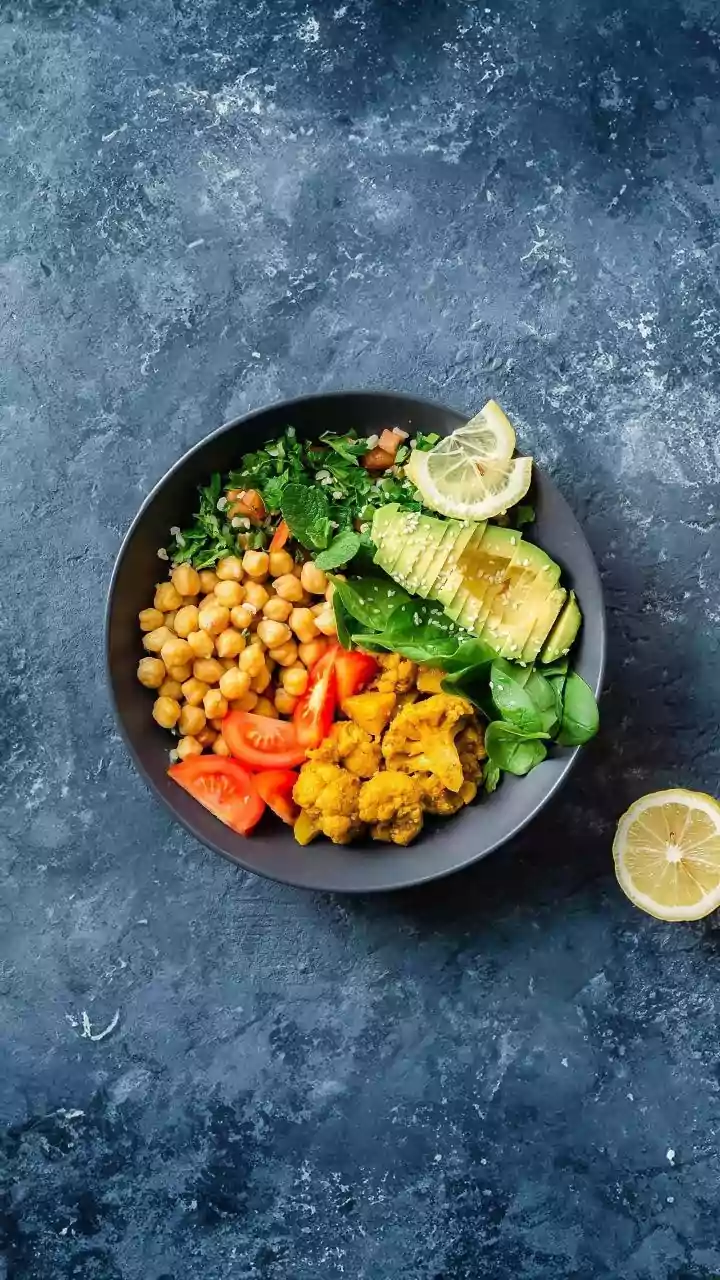
The variety of dals and legumes is a cornerstone of Indian nutrition, providing essential plant-based protein and fibre. Ensure your pantry is well-stocked beyond just toor and moong dal. Include chana dal, urad dal, masoor dal, rajma (kidney beans), and chana (chickpeas). These powerhouses form the base for countless healthy meals, from simple dal tadka and chana masala to protein-packed salads and snacks. Having a wide variety encourages diverse cooking and ensures you get a broader range of nutrients. They support digestion, help regulate blood sugar, and provide lasting energy, making them a non-negotiable part of a healthy Indian pantry.
Snack Smarter, Not Less
Mid-day hunger often leads to reaching for fried or processed snacks. A healthier pantry makes it easier to make better choices. Swap packaged namkeens and biscuits for wholesome alternatives. Roasted chana, a handful of nuts like almonds and walnuts, or seeds like pumpkin and sunflower offer a satisfying crunch with added protein and healthy fats. Makhana (fox nuts) are another fantastic low-calorie, crunchy snack. Instead of deep-fried pakoras, consider a simple sprout chaat made from moong sprouts kept in the fridge. These swaps not only curb hunger but also provide valuable nutrients instead of empty calories and unhealthy fats.
Rethink Your Sweeteners
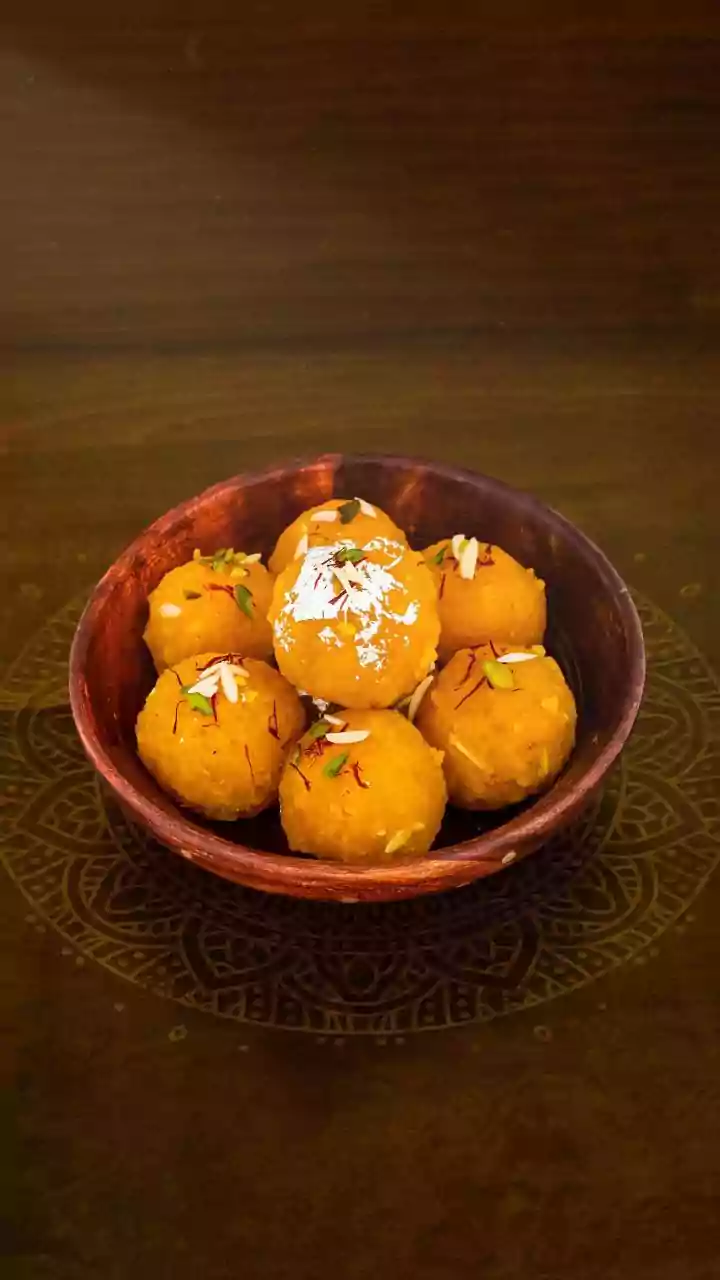
Indian sweets are beloved, but refined white sugar is a major culprit in many health issues. Make your pantry friendly to natural sweeteners. Jaggery (gur) is a traditional and less-processed alternative that contains trace minerals; it works beautifully in everything from chai to ladoos. Dates can be blended into a paste to sweeten kheer or energy balls naturally. For a low-calorie option, coconut sugar or even stevia can be used in moderation to sweeten beverages and desserts without a major impact on blood sugar. Spices like cinnamon and cardamom can also enhance sweetness in dishes, allowing you to reduce the overall amount of sugar needed.
Keep It Organised
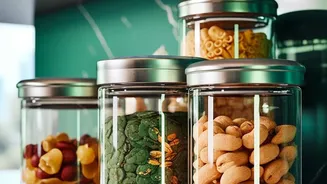
A healthy pantry is an organised one. Use clear, airtight containers to store your grains, dals, and spices. This not only protects them from pests and moisture but also allows you to see what you have at a glance, preventing unnecessary purchases and food waste. Group similar items together: all dals on one shelf, flours on another, and spices in a dedicated rack away from heat and light. An organised system makes it much easier and faster to pull together a healthy, home-cooked meal, even on the busiest of days.