




Looking for a simple way to upgrade your health? The secret might already be in your kitchen. Adding traditional fermented foods to your breakfast can set a powerful foundation for better digestion and a stronger immune system all day long.
The Gut: Your Body’s Immune Headquarters
It might seem
surprising, but a huge part of your immune system—about 70%—is located in your gut. This bustling ecosystem, known as the gut microbiome, is home to trillions of microorganisms that play a vital role in your overall health. These tiny helpers are constantly communicating with your immune cells, essentially 'training' them to tell the difference between friendly bacteria and harmful invaders. When this microbial community is balanced and diverse, your immune system functions more effectively, ready to defend against infections. An imbalance, however, can disrupt this harmony, potentially leading to inflammation and a weaker immune response.
What Makes Fermented Foods So Special?
Fermentation is an age-old process where beneficial microbes like bacteria and yeast break down sugars in food. This not only preserves the food but also transforms it into a powerhouse of nutrition. The process creates probiotics, which are live, friendly bacteria that help maintain a healthy balance in your gut. These probiotics compete with harmful bacteria for space and resources, helping to crowd them out. Fermentation also makes food easier to digest by breaking down complex compounds. For instance, it can reduce anti-nutrients like phytic acid, which are found in grains and legumes and can block your body's absorption of minerals like iron and zinc.
Why Your First Meal Matters Most
While fermented foods are beneficial any time of day, incorporating them into your breakfast offers unique advantages. Starting your day with a dose of probiotics helps set a positive tone for your digestive system. When eaten at the beginning of a meal, the enzymes in fermented foods can help your body break down the rest of your food more efficiently throughout the day. This can lead to better nutrient absorption, less bloating, and more stable energy. Think of it as giving your gut a head start, preparing it to handle whatever comes its way.
Familiar Fermented Foods for Your Morning
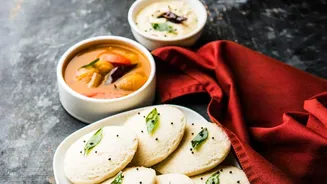
You don't need to look for exotic or expensive products to enjoy these benefits. Many staples of the Indian breakfast table are naturally fermented and packed with goodness. Dahi (Curd/Yogurt): A timeless classic, dahi is one of the most accessible probiotic foods. Enjoy it plain, mix it with fruits and oats, or use it to make a refreshing glass of chaas (buttermilk). Idli & Dosa: These South Indian favourites are made from a batter of rice and lentils that is fermented overnight. This fermentation process not only gives them their signature texture but also makes them easier to digest and more nutritious. Dhokla: This light and spongy snack from Gujarat is another example of a fermented delight, typically made from a fermented batter of gram flour (besan) or rice. Fermented Rice: Known by various names like 'Pazhankanji' in Kerala or 'Panta Bhat' in West Bengal, this traditional dish is made by soaking leftover cooked rice in water overnight. It’s a humble but powerful source of beneficial microbes. * Traditionally Made Achaar (Pickle): While not all pickles are fermented, traditional, salt-cured pickles (not those preserved in vinegar) are rich in probiotics. A small spoonful alongside your breakfast can add a burst of flavour and gut-friendly bacteria.
Start Small for Sustainable Health
If you're new to consciously adding fermented foods to your diet, it's best to start slow. A small serving each day is enough to begin nourishing your gut microbiome. For example, begin with a few spoonfuls of dahi or a single idli. This allows your digestive system to adjust without feeling overwhelmed. Consistency is more important than quantity. Over time, this simple morning habit can lead to increased microbial diversity in your gut, which studies have linked to lower levels of inflammation and a more robust immune system.