





Himalayan Hill Stations: A Risky Bet
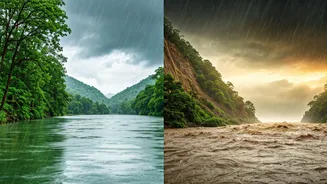
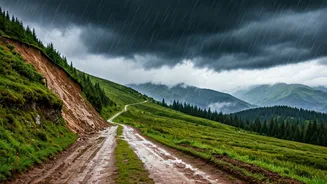
Popular destinations in the Himalayas like Manali, Shimla, Mussoorie, and Nainital are magnets for tourists, but they become particularly vulnerable during heavy monsoon rains. [3] The mountainous terrain, combined with deforestation and construction,
leads to a high risk of landslides, flash floods, and road collapses. [3, 22] Key highways can get blocked, leaving travellers stranded for days. In recent years, incidents of overflowing rivers and collapsing bridges have become frequent, prompting authorities to advise caution. [23] The Char Dham Yatra in Uttarakhand, for instance, is often temporarily halted due to these dangers. [23] **A Safer Alternative:** Instead of the high Himalayas, consider hill stations in the Aravallis or the Western Ghats. Mount Abu in Rajasthan, the state's only hill station, becomes surprisingly green and misty, offering a gentle monsoon experience. [3, 7] Lonavala and Khandala in Maharashtra provide dramatic waterfalls and foggy valleys with stronger highway infrastructure and easier access from Mumbai and Pune. [3]
The Eastern Frontier: Darjeeling and Sikkim
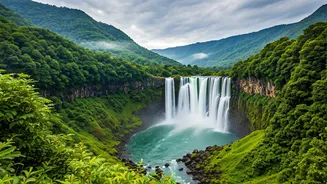
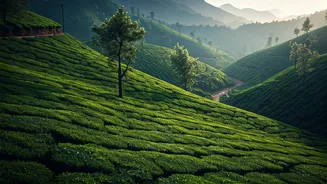
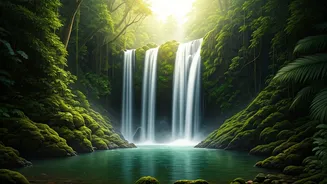
The eastern states of Darjeeling and Sikkim, while stunning, are prone to significant disruptions during the monsoon. [4] Heavy rainfall can make roads treacherous and lead to severe roadblocks, isolating towns and hampering travel. [4, 6] Foggy conditions drastically reduce visibility, making driving difficult and dangerous. [4] The region's proximity to the Bay of Bengal means it receives incessant, heavy rains, which can trigger landslides and make exploring the beautiful tea estates a soggy, difficult task. [5, 10] **A Safer Alternative:** For a spectacular rain-soaked experience, head to Meghalaya. Known as the "abode of clouds," places like Cherrapunji and Mawsynram are famous for being among the wettest places on Earth and are built to handle the downpour. [11] While intense, the landscape here is designed for the rain, offering breathtaking views of roaring waterfalls and living root bridges against a backdrop of vibrant greenery.
Coastal Concerns: Goa and Beyond
Goa during the monsoon is a different world. While it offers lush landscapes and lower prices, it comes with caveats. [6] Most beach shacks and flea markets are closed, and water sports are suspended. [4, 13] The primary danger is the sea itself; strong currents and high tides make swimming extremely risky and often prohibited. [12, 17] While it's generally safe to visit, the experience is far from the typical sun-and-sand holiday, and roads can become slippery and waterlogged. [6, 12] **A Safer Alternative:** If you're seeking a coastal monsoon vibe, consider Pondicherry. It receives less intense rainfall during the southwest monsoon and offers a charming experience with its colonial-era architecture, quiet cafes, and spiritual retreats. [11] For those who love the water, the backwaters of Kerala provide a serene and atmospheric alternative. Cruising through the tranquil, rain-fed waterways in a houseboat is a classic monsoon experience without the dangers of the open sea. [3]
Wildlife Sanctuaries: Many Gates Are Shut
Many wildlife enthusiasts plan trips during the monsoon, hoping to see lush forests. However, a significant number of national parks and wildlife sanctuaries, especially in regions like Assam and parts of Central India, close down during this season. [23] The primary reasons are for the animal breeding season and because the internal tracks become muddy and impassable. For example, Kaziranga National Park in Assam often faces floods from the Brahmaputra river. [23] Manas National Park also closes its gates to visitors during the monsoon. [25] **A Safer Alternative:** Not all parks are closed. The Periyar National Park in Kerala remains open and offers boat safaris on the lake, providing a unique vantage point to spot wildlife. Similarly, some parts of the Jim Corbett National Park in Uttarakhand may remain accessible. [19] For a different kind of natural spectacle, the Valley of Flowers National Park in Uttarakhand is only open from June to October, as the monsoon is precisely when its famous alpine flowers are in full bloom. [11]