




Chittorgarh: The Epic of Sacrifice
If any fort embodies the word 'drama,' it is Chittorgarh in Rajasthan. This is not just a structure; it is a sprawling stage for some of Indian history's most tragic and heroic tales. The fort withstood three major sieges, each ending in a heart-wrenching
ritual of Jauhar, where the women of the court chose death by fire over dishonour at the hands of invading armies. As you walk through its vast complex, past the Vijay Stambh (Victory Tower) and the ghostly ruins of palaces, you can almost hear the whispers of Queen Padmini, whose legendary beauty is said to have prompted Alauddin Khilji's siege. A trip to Chittorgarh is less a visit and more a pilgrimage into the soul of Rajput pride and sacrifice. The sheer scale and the weight of its history make for a profoundly moving weekend.
Mehrangarh: The Fort of Power and Presence
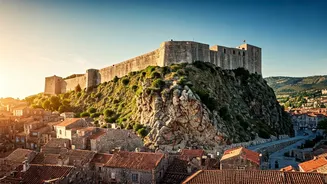
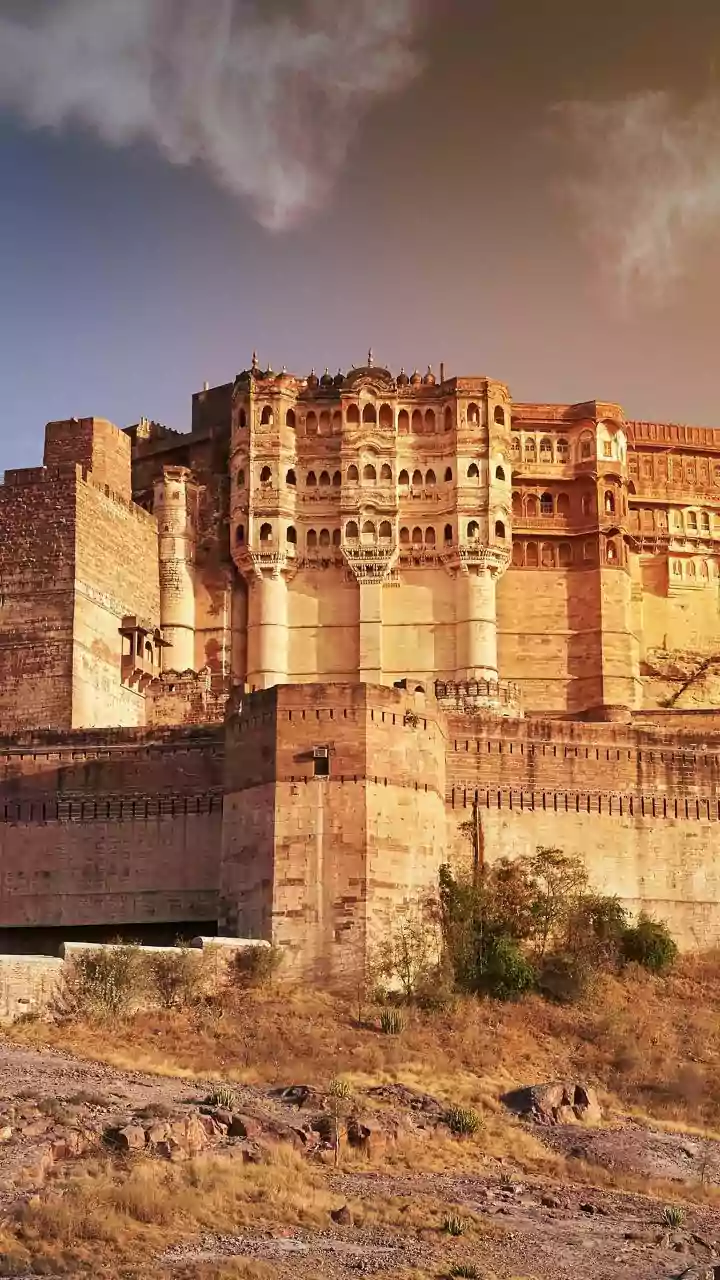
Perched on a 410-foot cliff, Mehrangarh Fort doesn't just dominate Jodhpur’s skyline—it owns it. The drama here is one of pure, unadulterated power. Founded by Rao Jodha in the 15th century, its walls seem to grow organically from the rock itself, creating a formidable and awe-inspiring sight. The approach through its seven monumental gates is designed to intimidate, with sharp turns to slow down enemy elephants. Inside, the Moti Mahal (Pearl Palace) and Phool Mahal (Flower Palace) reveal a world of delicate beauty, a stark contrast to the rugged exterior. But the drama returns at the Loha Pol gate, where you’ll find the handprints of royal satis—the queens who immolated themselves on their husbands’ funeral pyres. These small, poignant handprints serve as a chilling reminder of the human cost of the power this fort represents.
Golconda: The Whisper of Lost Diamonds
Before it was a majestic ruin, Golconda Fort near Hyderabad was the epicentre of the world's diamond trade. This is where legendary gems like the Koh-i-Noor and the Hope Diamond were stored and sold. The drama of Golconda is one of fabulous wealth, ingenious engineering, and eventual betrayal. The fort is an acoustic marvel; a clap at the entrance gate can be heard clearly at the highest point, a kilometre away, a clever security system to warn of an approaching enemy. For eight months, the fort withstood the siege of Mughal emperor Aurangzeb. It didn't fall to military might, but to a traitor who opened a back gate in the dead of night. Exploring its palaces, mosques, and water systems feels like stepping into a story of unimaginable riches and the intrigue that inevitably follows.
Bhangarh: The Fort of Haunting Legends
For a different kind of drama—the supernatural kind—nothing beats Bhangarh Fort in Rajasthan. Famously known as one of the most haunted places in India, the Archaeological Survey of India (ASI) prohibits entry between sunset and sunrise. This official warning alone adds a layer of thrilling mystique to any visit. Legend has it that the fort was cursed by a scorned sorcerer, doomed to remain uninhabited and desolate. Another story blames a holy man whose meditation spot was overshadowed by the palace. Whether you believe in ghosts or not, the atmosphere in Bhangarh is undeniably eerie. The crumbling temples and deserted marketplaces sit in a beautiful but silent valley, lending a tangible sense of melancholy and mystery. A daytime trip here offers the perfect blend of historical exploration and a spine-tingling story to tell.