

Why Millets for Dinner?
For centuries, millets like jowar, bajra, and ragi were staples in Indian kitchens before rice and wheat became dominant. They are now returning as 'superfoods' for good reason. Naturally gluten-free, rich in fibre, and packed with nutrients like iron,
calcium, and protein, they are a fantastic choice for a light yet filling dinner. Different millets offer unique benefits: Ragi is a calcium powerhouse, Bajra is warming and rich in iron, and Jowar is prized for being high in fibre and antioxidants. Best of all, many millet dishes are surprisingly quick to prepare, making them perfect for busy weeknights.
Foxtail Millet (Kangni) Pulao or Upma
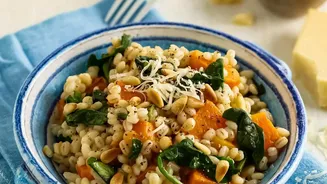
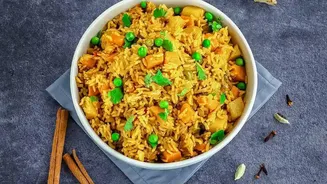
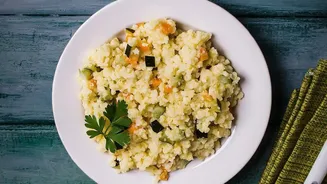
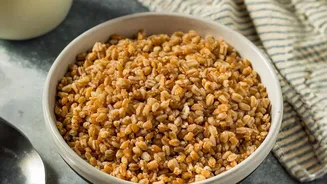
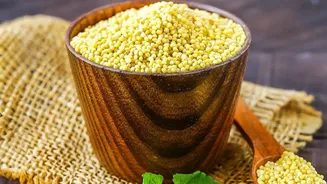
Foxtail millet, known as Kangni, is one of the easiest millets to cook. It has a light, fluffy texture similar to couscous or well-cooked rice, making it a seamless substitute in many dishes. A one-pot vegetable pulao is a perfect low-effort dinner. Simply sauté your favourite vegetables (like carrots, peas, and beans) with whole spices, add washed foxtail millet with a 1:2 millet-to-water ratio, and cook for about 15-20 minutes until the water is absorbed. For an even quicker meal, a simple upma can be ready in under 20 minutes. Serve with a side of curd or pickle for a complete and satisfying meal.
Jowar (Sorghum) Roti or Chilla
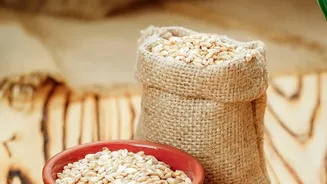
Jowar, or sorghum, is a gluten-free staple popular in Maharashtra and Karnataka. While the traditional 'bhakri' (a hand-patted flatbread) is common, an easier alternative for a quick dinner is a jowar chilla or savoury pancake. To make the batter, mix jowar flour with water, finely chopped onions, green chillies, coriander, and cumin seeds. Pour the batter onto a hot tawa and cook on both sides until golden. These chillas are ready in minutes and can be served with green chutney or a simple vegetable curry. For a slightly different approach, a vegetable-stuffed jowar roti is also a filling option that comes together quickly.
Ragi (Finger Millet) Dosa or Mudde
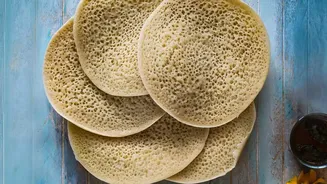
Ragi is celebrated for its high calcium content and is a staple in South India. An instant ragi dosa is one of the fastest ways to a healthy dinner. A batter can be made by mixing ragi flour with a bit of rice flour or semolina, curd, and water, which requires no fermentation. Customise it by adding chopped onions and herbs to the batter before cooking the dosas on a hot pan. Another famous Karnataka dish is Ragi Mudde, which are soft balls made by cooking ragi flour in boiling water until it forms a thick, pliable dough. This is traditionally eaten by dipping small portions into a hot 'saaru' (a thin lentil soup) or sambar.
Bajra (Pearl Millet) Khichdi
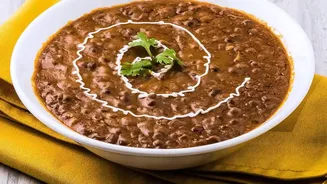
Bajra is a warming grain, making it ideal for cooler nights, but its nourishing properties are welcome any time of year. A one-pot Bajra Khichdi is the ultimate comfort food that requires minimal effort. Traditionally, it's made by pressure-cooking pearl millet with moong dal, vegetables, and basic spices like turmeric and cumin. The result is a creamy, wholesome dish that is incredibly filling and nutritious. Soaking the bajra for about 30 minutes before cooking can help soften it and reduce cooking time. Serve hot with a dollop of ghee and a side of plain curd.
Tips for Perfect, Low-Effort Millets
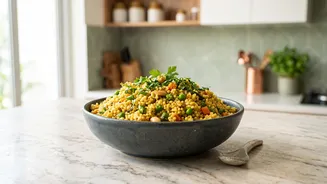
Cooking with millets is simple once you know a few basics. First, always rinse your millets thoroughly before cooking to remove any bitterness. For grains like foxtail or little millet, a 1:2 grain-to-water ratio usually works perfectly for a fluffy texture. For making porridge or khichdi, you can increase the water ratio to 1:3 for a creamier consistency. Using a pressure cooker can significantly cut down the cooking time for denser millets like bajra or whole jowar. Finally, don't be afraid to experiment. Millets absorb flavours well, so feel free to add your favourite spices and vegetables to any dish.