





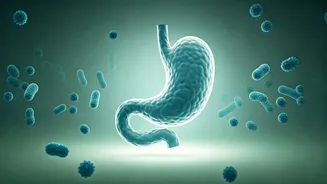


The Gut-Brain Disconnect
The most immediate effect of eating too fast is that you bypass your body's natural 'fullness' signals. It takes approximately 20 minutes for your stomach to send hormonal messages to your brain, like leptin, indicating that you're full. [1, 16] When
you eat rapidly, you can easily consume more food than you need before this signal has a chance to register. [16, 21] This not only leads to that uncomfortable, over-stuffed feeling but can also contribute to weight gain over time, as numerous studies have shown a link between faster eating speeds and a higher risk of obesity. [1, 6, 16]
The Burden on Your Digestion
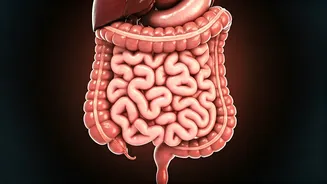
Digestion is a mechanical and chemical process that begins in your mouth. Chewing, or mastication, physically breaks down food into smaller particles and mixes it with saliva, which contains enzymes that kick-start the digestive process. [5, 9, 12] When you eat too fast, you don't chew your food thoroughly. This forces your stomach to work harder to break down larger food particles, which can lead to indigestion and discomfort. [2, 4] Furthermore, inadequately chewed food is harder for your body to process, which can impair nutrient absorption, meaning you might not get the full benefit from your meal. [1, 2, 8]
The Bloating and Gas Problem
That bloated feeling and excess gas after a meal are common complaints among fast eaters. A major reason for this is the swallowing of excess air along with your food, a phenomenon known as aerophagia. [7, 10] This trapped air has to go somewhere, leading to bloating, burping, and flatulence. [1, 10] Additionally, when large, poorly chewed food particles reach your gut, they can ferment, producing even more gas and contributing to discomfort. [3, 14] For some, this can also increase the risk of acid reflux or heartburn as the overfilled stomach pushes its contents back up. [2, 3]
How to Adopt a Slower Pace
Slowing down your eating is a key aspect of 'mindful eating,' which can improve digestion and increase your enjoyment of food. The first step is to chew each bite more thoroughly; try aiming for 20-30 chews. [17] A simple but effective trick is to put your fork or spoon down between bites. [11, 17] This naturally creates a pause and prevents you from immediately loading up the next mouthful. Taking sips of water during your meal can also help you pace yourself while aiding digestion. [13]
Create a Mindful Mealtime Environment
Your surroundings play a big role in your eating speed. Try to eat without distractions like the television, your computer, or your phone. [3, 11] When you focus on your meal, you're more attuned to its flavors and textures, as well as your body's fullness cues. [15, 17] If possible, sit at a table rather than on the sofa or at your desk. [13] Making your meal an intentional act, rather than something you rush through, can transform your relationship with food and significantly improve your digestive well-being.