




The Thali as a Barometer
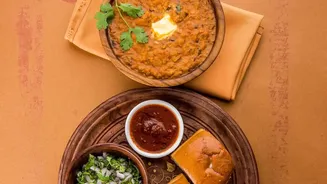
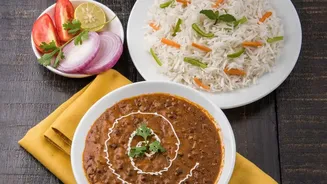
The humble thali is more than just a balanced meal; it's an economic indicator. This platter, typically featuring dal, rice, roti, a vegetable curry (sabzi), and sometimes curd or a small sweet, serves as a great benchmark for comparing daily food expenses.
While home-cooked meal costs are rising, with a vegetarian thali seeing a 10% year-on-year increase in September 2026, the price of eating out shows an even wider city-to-city disparity. This difference is shaped by local ingredient costs, commercial rents, labour wages, and the overall cost of living in each urban centre.
The Financial Capital's Premium: Mumbai
It's no secret that Mumbai is India's most expensive city, and its food prices reflect that. A meal at an inexpensive restaurant can be significantly higher here than in most other parts of the country. A mid-range three-course meal for two can cost around ₹1,800. Even a basic vegetarian thali at a local eatery can set you back more than in other metros, often ranging from the upper end of the ₹120-₹200 spectrum, if not more, depending on the location. High real estate and operational costs are the primary drivers pushing up the price of everything, including your lunch plate.
Capital Costs: Delhi
Delhi's massive food scene offers something for every budget, from street-side golgappas to high-end dining. While generally more affordable than Mumbai, it still ranks as one of the pricier cities for dining out. A meal for two at a mid-range restaurant costs around ₹1,700, just slightly less than in Mumbai. However, the sheer variety means affordable options are always available, especially in its famous food lanes and local markets. A standard thali can be found at a more moderate price compared to Mumbai, but you'll still pay a premium over smaller cities.
The Tech Hubs: Bengaluru and Hyderabad
Bengaluru, the nation's IT capital, is known for its pleasant weather and bustling cafe culture, but this comes at a cost. It follows Mumbai and Delhi in terms of dining expenses, with a meal for two at a mid-range spot costing about ₹1,540. Hyderabad, another major tech hub, often presents a more budget-friendly alternative. While famous for its rich biryanis and Irani chai, it generally offers better value for money in daily meals compared to Bengaluru. This makes it an attractive city for those seeking a balance between career opportunities and manageable living costs.
Value in Tier-II Cities
The real savings on daily meals are found outside the major metropolitan areas. Tier-II cities like Jaipur, Lucknow, Ahmedabad, and Indore offer a much lower cost of living, which is clearly reflected in their food prices. In these cities, a vegetarian thali can be as affordable as ₹60-₹80. Even in well-regarded local restaurants, meal prices are substantially lower than in the metros. For instance, cities like Gwalior and Prayagraj are noted for being among the most affordable in the country, where daily expenses, including food, are a fraction of what one would pay in Mumbai or Delhi.