
The Global Superfood's Arrival
Not long ago, chia seeds were a niche health food item, known mostly to global wellness enthusiasts. Native to Central America, these tiny black and grey seeds arrived in India on the superfood wave, celebrated for their impressive nutritional resume.
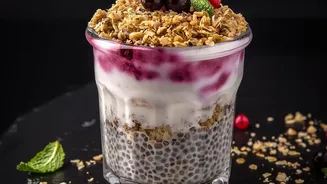
Packed with omega-3 fatty acids, protein, and fibre, they quickly became a go-to for health-conscious urban consumers. Their ability to absorb liquid and form a gel makes them incredibly versatile. This has led to their starring role in make-ahead breakfasts like puddings and overnight oats, offering a convenient and filling start to busy mornings. Their mild, nutty flavour allows them to blend seamlessly into smoothies, yogurts, and even baked goods, providing a nutrient boost without altering taste.
The Humble Sabja's Comeback
While chia was the new kid on the block, sabja (also known as basil seeds or tukmaria) has been a quiet resident of Indian kitchens for centuries. Traditionally used in Ayurvedic medicine, sabja seeds were most famously seen swimming in glasses of falooda, nimbu pani, and rooh afza, praised for their body-cooling properties. These jet-black seeds were primarily seen as a summer hydrator and digestive aid. However, as the conversation around nutrition shifted towards local and indigenous ingredients, sabja began to be viewed in a new light. People started recognising it not just as a dessert ingredient, but as a nutritional powerhouse in its own right, sharing many of the qualities that made chia popular.
Chia vs. Sabja: A Head-to-Head
At first glance, the two seeds look similar, but they have key differences. Chia seeds are a richer source of omega-3 fatty acids, protein, and minerals like calcium. This makes them particularly beneficial for heart health and sustained energy release. Sabja seeds, while also offering fibre and minerals, are especially known for their high soluble fibre content and immediate cooling effect on the body. They swell up almost instantly in water, much faster than chia seeds, which need more time to form a gel. This makes sabja ideal for quick, hydrating drinks. In terms of cost and origin, sabja is the local, more affordable option, while chia is typically imported and more expensive, a crucial factor for many Indian households.
More Than Just a Health Trend
The rising popularity of both seeds is about more than just their individual health benefits. It reflects a broader change in Indian food culture. There's a growing desire for breakfasts that are not only nutritious but also quick and convenient, fitting into fast-paced modern lifestyles. The emphasis on weight management and feeling full for longer has made high-fibre foods like chia and sabja particularly appealing. This trend also showcases a unique blend of global and local influences. While one consumer might be drawn to the international 'superfood' status of chia, another is finding new value in the Ayurvedic wisdom associated with sabja. Both paths lead to a more mindful approach to eating.
From Drinks to Breakfast Bowls
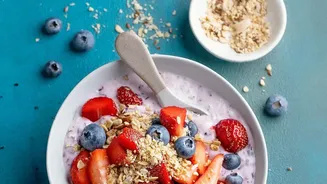
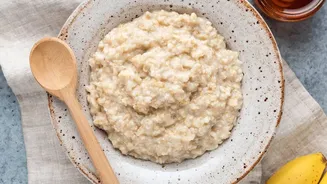
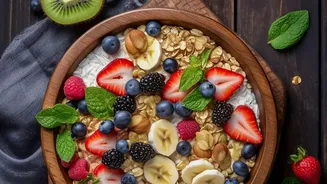
The way these seeds are consumed for breakfast is a departure from tradition. While sabja was once confined to cooling drinks, it's now being used just like chia seeds. Both are being stirred into bowls of dahi, mixed into oatmeal, blended into smoothies, or used to create thick, pudding-like breakfast bowls topped with fruit and nuts. This gel-like consistency, created when the seeds absorb water, helps in promoting a feeling of fullness, which can aid in managing hunger through the morning. This versatility allows for endless experimentation, turning a simple breakfast into a customised, nutrient-dense meal that supports everything from digestive health to blood sugar control.