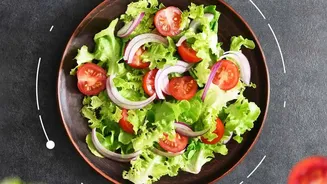






The Simple Science of Soggy Greens
To defeat the enemy, you must first understand it. Leafy greens are mostly water, and they stay crisp thanks to something called turgor pressure. Think of each plant cell as a tiny, water-filled balloon. When the cells are full, the leaf is firm and crunchy.
However, once harvested, greens begin to lose water. Even a thin film of water left on the leaves after washing can cause problems. It prevents oil-based dressings from adhering properly and, more importantly, can contribute to wilting, especially when combined with salt or acidic ingredients in a dressing which draw moisture out of the cells through osmosis. Simply put, water on the outside of the leaf helps make the inside of the leaf less crisp.
Wash Your Greens with Care
Washing is non-negotiable, even for pre-washed bags which can benefit from a refresh. The best method is to submerge your greens in a large bowl of cold water. Don't crowd the bowl; wash in batches if necessary. Swirl the leaves gently with your hands to dislodge any grit or dirt, which will sink to the bottom. Instead of pouring the contents through a colander and re-contaminating the leaves, lift the greens out of the water with your hands or a spider strainer. If the water is particularly dirty, repeat the process with a fresh bowl of water until it remains clear.
The Crucial Drying Step
This is the most important step in preventing a soggy salad. A salad spinner is the most efficient tool for the job. It uses centrifugal force to wick away water without bruising the delicate leaves. If you don't own a spinner, you have excellent, low-tech options. You can lay the washed leaves in a single layer on a clean kitchen towel, gently roll it up, and press lightly. For a more thorough and entertaining method, place the greens in the center of a clean towel, gather the corners, and (ideally outdoors) swing it around in a circle. The force will fling the water off the leaves, leaving them remarkably dry. A final pat with a paper towel can remove any lingering moisture.
Smart Storage for Lasting Crispness
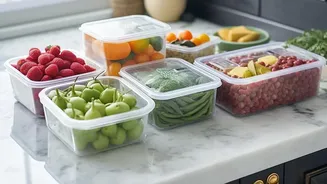
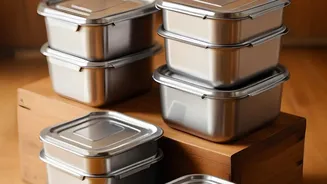
If you aren't using your greens immediately, proper storage is key. Once your leaves are completely dry, you can store them for days. A proven method is to place the dry greens in a container lined with a paper towel. The paper towel will absorb any residual moisture or condensation, which is the enemy of crispness. Don't seal the container too tightly; some air circulation is beneficial. Storing washed and dried greens this way not only makes salad prep quicker later in the week but ensures you have crisp, ready-to-go leaves at a moment's notice. For long-term storage, some experts recommend dedicated containers designed to regulate humidity and absorb ethylene gas, which can accelerate spoilage.
Dress for Success, Just in Time
The final rule for a crisp salad is all about timing. As a general rule, dress your salad immediately before serving. The salt and acids (like vinegar or citrus juice) in most dressings are designed to break down ingredients and will begin to wilt delicate leaves on contact. For heartier greens like kale, you can dress them a little earlier, as this can help soften their tougher texture. One pro tip is to make your dressing at the bottom of the salad bowl, pile the dry greens on top, and then toss everything together just as you're ready to eat. This ensures every leaf gets a perfect, light coating without getting waterlogged.