






The Soul of the Celebration: Food
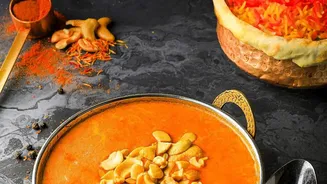
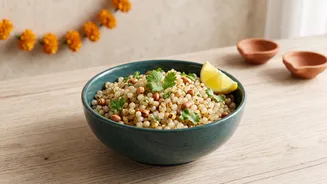
Navratri is a time of both fasting and feasting, with food playing a central role in the nine-day festival. While many observe a 'vrat' or fast, the meals prepared are anything but plain. Kitchens come alive with the aroma of satvik ingredients—foods
prepared without onion or garlic. In states like Gujarat and Maharashtra, Sabudana Khichdi and Sabudana Vada are staples, offering a delicious source of energy. These tapioca pearl dishes, tossed with peanuts and mild spices, are a common sight during evening gatherings. In North India, flours like kuttu (buckwheat) and singhara (water chestnut) are used to make puris and parathas, often served with a simple yet flavorful Aloo Tamatar Ki Sabzi (potato and tomato curry). These meals showcase how fasting food can be both delicious and nourishing.
A Taste of Regional Diversity
The culinary landscape of Navratri is incredibly diverse, reflecting India's rich cultural tapestry. In West Bengal, where the festival is celebrated as Durga Puja, the feasting includes elaborate bhog offerings like Khichuri, a wholesome rice and lentil dish, often paired with mixed vegetables and a sweet chutney. Further south, in Tamil Nadu and Karnataka, the tradition of offering different 'sundal' preparations each day is popular. Sundal is a simple and healthy snack made from legumes like chickpeas or peanuts, tempered with mustard seeds, curry leaves, and grated coconut. In Kerala, a sweet payasam or pradhaman made with lentils, jaggere, and coconut milk is a common offering. These regional specialties are a testament to how local produce and traditions shape the festive platter.
Simple Decor with a Personal Touch
This festive season, many are opting for simple, elegant, and often eco-friendly decor. The focus is on creating a warm, inviting atmosphere without overwhelming the space. The entrance is often the first area to receive a festive makeover. A traditional toran made of marigold flowers and mango leaves is a classic symbol of welcome. A beautiful rangoli, created with coloured powders or flower petals, adds a touch of artistry to the doorway. Lighting plays a crucial role in setting a serene mood. Grouping earthen diyas or placing them in a water-filled urli (a decorative bowl) with floating flowers creates a stunning and tranquil effect. Using brass lamps and bells in the pooja room adds a timeless, divine glow.
Sustainable and Creative Ideas
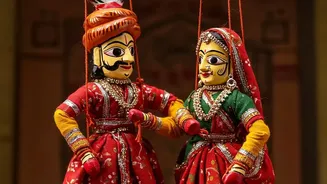
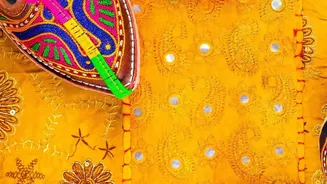
Creativity and sustainability are at the forefront of modern festive decor. Many households are finding innovative ways to use everyday items. Colourful dupattas or old sarees are being repurposed as vibrant backdrops for the mandir or as festive table runners. Fairy lights woven through curtains or wrapped around pillars can instantly brighten up a room. For a touch of fragrance, bowls of potpourri or essential oil diffusers with scents like sandalwood and jasmine are being used to create a calming, spiritual ambience. In South India, the beautiful tradition of 'Golu' or 'Bommai Golu' involves arranging dolls on stepped platforms to depict mythological stories or scenes from daily life, turning the celebration into a storytelling event for all ages.