






The Viral Duo Revealed
The trend captivating millions is a modern take on ancient hair oiling rituals, now popularly known as 'hair slugging'. It's not about a single magic product, but a method: layering a hydrating treatment (like a mask or leave-in conditioner) with a nourishing
hair oil. This combination is designed to deeply moisturise and seal the hair cuticle, especially when left on overnight. The idea, borrowed from a K-beauty skincare technique, is to create an occlusive barrier that locks in moisture, preventing dryness and reducing friction while you sleep. Reels and TikTok videos show users applying a hair mask or cream first, followed by a generous layer of oil, then wrapping their hair in a silk scarf or even a fuzzy sock to let the products work their magic.
Why Is It So Popular?
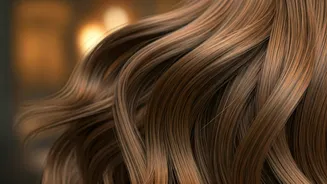
The appeal of hair slugging lies in its simplicity and dramatic, visible results. Users report waking up to incredibly soft, smooth, and glossy hair after just one session. In a visual-first world, that 'glass hair' shine is a scroll-stopper. The practice is particularly beneficial for those with dry, damaged, brittle, or curly hair types that crave intense hydration. Furthermore, this trend taps into a growing interest in wellness rituals and preventative self-care. It’s a return to foundational practices, like the Ayurvedic tradition of hair oiling, which has been used for centuries to promote hair strength and lustre. Gen Z, in particular, has embraced this ritual, rebranding a practice their parents and grandparents swore by into something modern, intentional, and stylish.
The Science Behind the Shine
Layering hair products correctly is key to their effectiveness. The general rule is to apply products from the lightest to heaviest consistency. In hair slugging, you apply a water-based hydrator (like a mask or leave-in) first. This product penetrates the hair shaft to deliver moisture. The oil, which is heavier, is applied second. It acts as a sealant, or occlusive, locking in the hydration from the first step and preventing moisture loss. This extended contact overnight allows the products to penetrate the hair cuticle more deeply, providing intensive nourishment. Additionally, wrapping the hair reduces friction against your pillowcase, a common cause of breakage and frizz. Some popular oils in this trend, like rosemary oil, are also believed to improve scalp circulation, which may help create a healthier environment for hair growth.
A Step-by-Step Guide
Ready to try it? The process is simple. Start with dry, brushed hair. First, apply a hydrating leave-in conditioner or hair mask, focusing on the mid-lengths and ends. If you have very dry or thick hair, you can apply a heavier mask from root to tip. Next, layer a hair oil on top to seal everything in. The amount you use will depend on your hair's thickness and length. Gently wrap your hair in a silk or satin scarf, bonnet, or even a clean, soft sock and secure it. Leave the treatment on overnight. In the morning, you'll need to wash your hair thoroughly to remove all the product. You can follow up with your usual shampoo and conditioner routine.
What to Keep in Mind
While hair slugging is beneficial for many, it’s not a one-size-fits-all solution. Those with fine or naturally oily hair may find that this intensive treatment weighs their hair down or leaves it feeling greasy. If you have fine hair, consider using only a lightweight oil on your ends, and perhaps slugging less frequently, like once a week. It's also important to wash your hair thoroughly after the treatment to avoid product buildup, which can clog pores on the scalp. If you have a sensitive scalp or conditions like seborrheic dermatitis, applying heavy oils could potentially worsen the issue, so it's best to proceed with caution. As with any new routine, it might take some trial and error to find the right combination of products and frequency for your specific hair type.