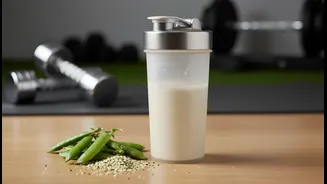









Protein: The Fitness Keystone
For anyone serious about fitness, protein isn't just a nutrient; it's the fundamental building block for success. When you engage in physical activity, from weightlifting to running, you create tiny micro-tears in your muscle fibres. Protein provides
the essential amino acids necessary to repair this damage, allowing muscles to grow back stronger. This process, known as muscle protein synthesis, is crucial for building strength, improving performance, and accelerating recovery. A diet rich in high-quality protein also aids in satiety, helping to manage weight by keeping you feeling fuller for longer. As consumers in India become increasingly health-conscious and protein-aware, the demand for effective and functional protein sources has surged, paving the way for innovative alternatives to traditional dairy.
Pea Milk: The Powerhouse Protein
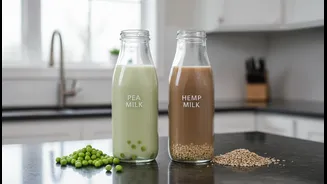
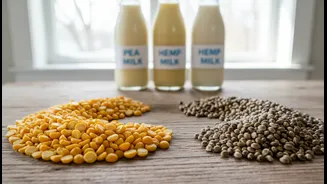
Emerging as a frontrunner in the plant-based world, pea milk is gaining serious traction within the fitness community. Derived from yellow split peas, its main draw is an impressive protein content, often containing around 8 grams per cup—comparable to both dairy and soy milk. This makes it a powerful ally for post-workout recovery. Studies have shown that pea protein can be as effective as whey protein in promoting gains in muscle thickness, especially for those new to resistance training. Beyond its muscle-building credentials, pea milk is a hypoallergenic hero. It is naturally free from common allergens like dairy, lactose, soy, and nuts, making it a safe and easily digestible option for a wide range of people. Its creamy texture and high mineral content, including phosphorus and zinc, further boost its nutritional appeal.
Hemp Milk: The Complete Package
Hemp milk, made from the seeds of the Cannabis sativa plant, offers a unique and compelling nutritional profile that sets it apart. While it doesn't cause a high, it does deliver high-quality nutrition. A key advantage is that it's a source of complete protein, meaning it contains all nine essential amino acids that the body cannot produce on its own. These amino acids are vital for nearly every biological process, including muscle repair and energy production. But the benefits don't stop at protein. Hemp milk is also rich in healthy unsaturated fats, particularly omega-3 and omega-6 fatty acids, in what is often considered an ideal ratio. These fats are known to help reduce inflammation, support joint health, and promote brain function—all crucial elements for overall athletic performance and recovery.
Beyond Almond and Oat
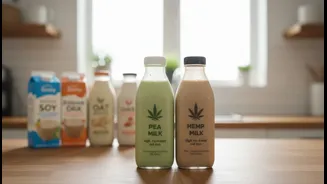
For years, almond and oat milk have dominated the plant-based milk scene in India and abroad. However, a closer look at their nutritional labels reveals why fitness-focused individuals are looking elsewhere. Standard almond milk is notoriously low in protein, often containing just 1 gram per cup. While oat milk offers a creamy texture popular in cafes, it is higher in carbohydrates and sugars and also typically low in protein, providing only about 2-3 grams per serving. In contrast, pea milk's 8 grams of protein and hemp milk's 3-5 grams (along with its complete amino acid profile and healthy fats) offer a clear functional advantage. For consumers actively seeking foods that support their fitness goals, pea and hemp milks are not just alternatives to dairy; they are upgrades from other plant milks that lack a strong protein punch.
Taste, Texture, and Versatility
For any food to become a staple, it must pass the taste test. Pea milk is often described as having a creamy, milk-like texture and a relatively neutral flavour, making it an excellent base for protein shakes, smoothies, and a direct substitute for dairy in coffee or cereal. Hemp milk has a slightly more distinct earthy, nutty flavour and a creamy consistency that also blends well into other beverages. The minimal processing for both pea and hemp protein powders means they often avoid the artificial additives found in other products, appealing to those seeking clean-label options. As brands continue to refine their formulas, improving taste and texture, the user experience is becoming smoother, making it easier than ever for consumers to incorporate these high-protein options into their daily routines without sacrificing flavour or convenience.