



The Scale of a Wasted Opportunity
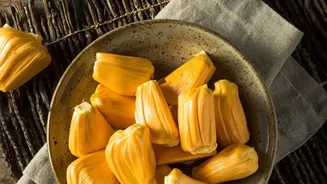
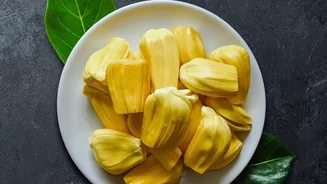
In India, the jackfruit is more than just a fruit; it's a part of the culinary landscape, enjoyed ripe in the summer and raw in savoury dishes year-round. Yet, for every delicious bulb consumed, hundreds of seeds are often tossed aside. These seeds make
up about 10-15% of the fruit's total weight. When you consider that states like Kerala and Karnataka report jackfruit wastage worth thousands of crores annually, the scale of this squandered resource becomes clear. An estimated 75% of jackfruit products in India can go to waste due to logistical challenges and lack of processing facilities, meaning a massive amount of nutritious seeds end up in landfills.
From Discarded Seed to Kitchen Staple
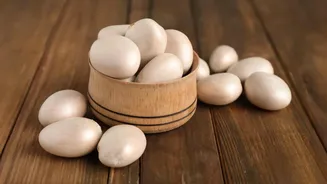
The transformation from waste to flour is surprisingly straightforward, a process rooted in traditional wisdom now being refined for modern use. The collected seeds are first cleaned thoroughly to remove any sticky residue. They are then often boiled or steamed, which not only softens them but also deactivates certain antinutrients like tannins, making them safe and easy to digest. After cooking, the outer peel is removed, and the seeds are sliced or grated, then sun-dried or dehydrated in a controlled environment to remove moisture and ensure a long shelf life. The final step is grinding the dried pieces into a fine, versatile powder ready for the kitchen. This simple, low-tech process makes it an accessible innovation for local communities and farmers.
A Nutritional Powerhouse
The headline claim of high protein is well-founded. While amounts can vary based on the variety and processing method, studies show jackfruit seed flour can contain significant protein levels, with some analyses reporting between 13% to nearly 25%. One commercially available flour in India reports having 13-14 grams of protein per 100 grams. This is considerably higher than many common gluten-free flours like those from rice or tapioca. Beyond protein, the flour is a rich source of complex carbohydrates, dietary fibre, and resistant starch, which is beneficial for gut health. It is also packed with essential minerals like potassium, magnesium, and iron, making it a nutrient-dense addition to any diet.
An Answer to Sustainability Questions
The most compelling aspect of jackfruit seed flour is its role in a circular food economy. By creating value from a product that is overwhelmingly treated as waste, it directly addresses the challenge of food loss at the agricultural source. This concept, often called 'upcycling', is a cornerstone of sustainable food systems. It reduces the burden on landfills, where organic waste generates methane, a potent greenhouse gas. Furthermore, it creates a new income stream for farmers and local entrepreneurs from the same harvest, promoting economic resilience. Choosing jackfruit seed flour supports a zero-waste approach to cooking and aligns with a more conscious way of eating that values both personal health and environmental care.
Bringing Jackfruit Flour to Your Table
With a subtle, slightly nutty taste, jackfruit seed flour is incredibly versatile. As a gluten-free ingredient, it can be used in everything from rotis, idlis, and dosas to pancakes, muffins, and cookies. It blends well with other flours, like whole wheat, to boost the nutritional content of everyday meals without dramatically changing the taste or texture. Its natural starchiness also makes it an excellent thickening agent for soups, curries, and sauces, replacing empty-calorie starches with a more nutritious alternative. A growing number of Indian startups and food brands, such as Artocarpus Foods and Kathalfy, are now making this sustainable flour more accessible to consumers across the country.