






The Soaring Carbon Cost of Data
The engines of our digital world are having a significant and measurable impact on the planet. A landmark study from Harvard University, published in 'Nature Sustainability', has quantified the carbon cost of the largest 'hyperscale' data centres in the United
States. Researchers found that 403 of these massive facilities emitted a combined 25.7 million metric tons of carbon dioxide in the year leading up to April 2025. To put that figure in perspective, it is roughly equivalent to the entire annual carbon emissions of a country like Denmark. This analysis reveals that the carbon footprint is two to three times higher than estimates from 2018, underscoring the explosive growth in the sector. These centres consumed approximately 1.8% of all electricity in the U.S., an amount comparable to the yearly power usage of entire states like Michigan or Tennessee.
The AI Boom Fuels the Fire
A major driver behind this surging energy demand is the rapid expansion of artificial intelligence. Training and running large-scale AI models requires immense computational power, which in turn consumes vast amounts of electricity. The International Energy Agency (IEA) has warned that global data centre electricity consumption could double by 2030, with AI responsible for the bulk of that growth. This demand is so intense that more than half of the power consumed by the U.S. data centres in the Harvard study came from burning fossil fuels, primarily natural gas and coal. This reliance on carbon-intensive energy means that as the AI industry grows, its environmental footprint is set to expand dramatically, challenging the tech industry's sustainability goals.
Not All Data Centres Are Equal
The research highlights a critical point: where a data centre is located matters immensely. The carbon intensity of the local power grid dictates the facility's ultimate emissions. For example, the Harvard study found that the same amount of electricity use in Wyoming, a state reliant on coal, produces significantly more carbon than in Oregon, which has a substantial supply of hydropower. Just four states—Virginia, Oregon, Ohio, and Iowa—accounted for more than half of the total electricity consumption studied. This geographic concentration is often driven by factors like favourable tax laws and land availability, but it also means that local communities can bear a disproportionate environmental burden, from air pollution to strain on water resources used for cooling.
The Search for Greener Solutions
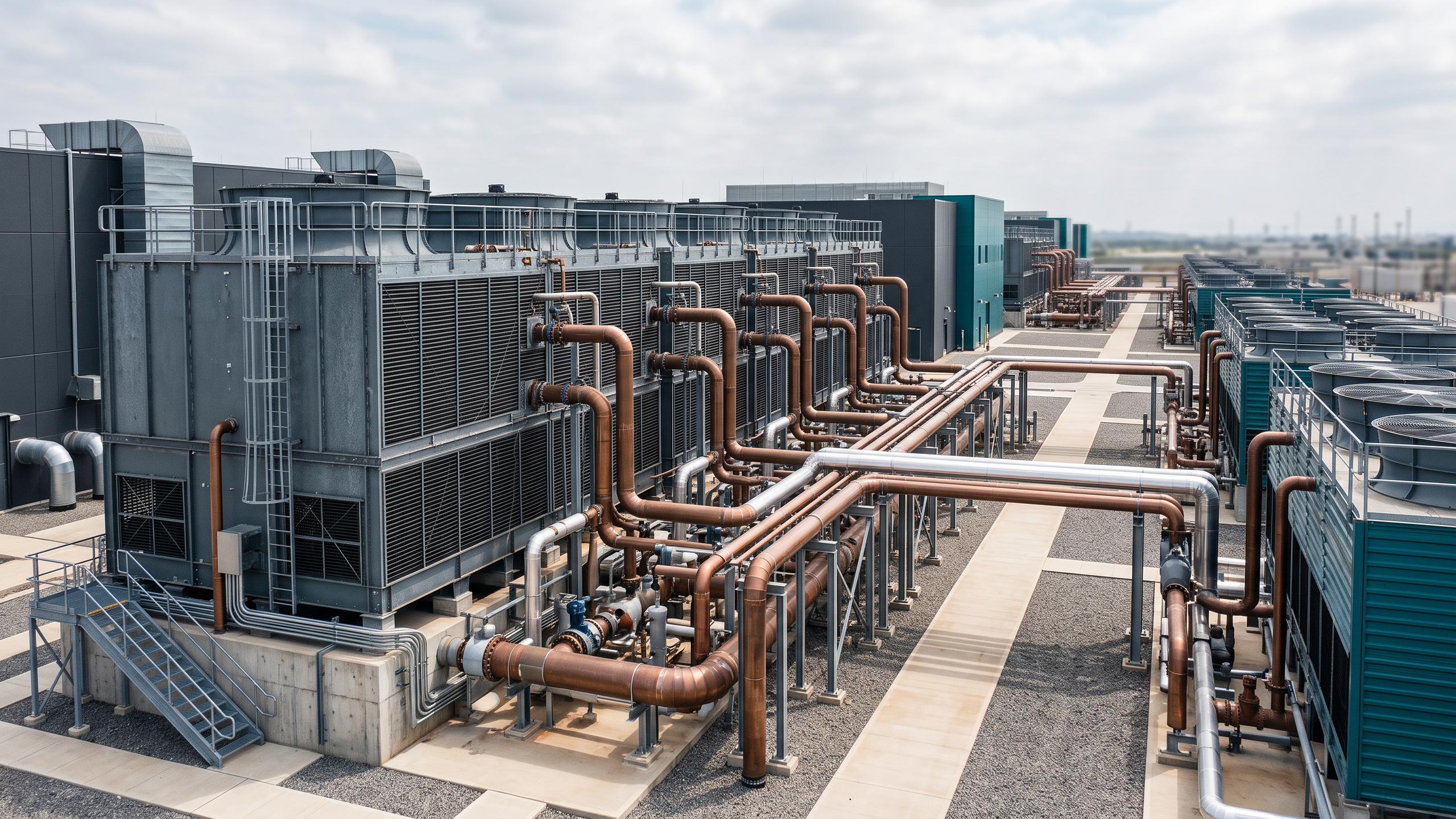
The findings are a wake-up call, but they also point toward a path for more sustainable operations. The tech industry is actively exploring and implementing solutions to mitigate its environmental impact. Major players like Google, Microsoft, and Amazon have made commitments to power their operations with 100% renewable energy. Innovations in cooling technology, which can account for up to 40% of a data centre's energy use, are crucial. Advanced methods like liquid and immersion cooling are far more efficient than traditional air conditioning. Furthermore, AI itself is being used to optimize energy consumption within data centres, with some companies reporting energy savings of up to 40% for cooling by using machine learning algorithms. Other strategies include building facilities in cooler climates, recapturing waste heat to warm nearby buildings, and designing modular data centres that can be scaled more efficiently.