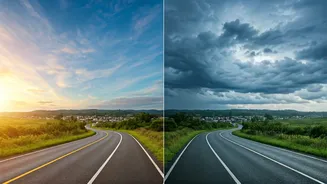









The Unpredictable Nature of Monsoon
Before diving into policies, it's crucial to understand why flexibility is non-negotiable. The Indian monsoon, while magical, brings with it a host of potential disruptions. Heavy downpours can lead to sudden flight cancellations or delays due to poor
visibility. In hilly regions like Himachal Pradesh, Uttarakhand, or the Western Ghats, the risk of landslides is real, often causing road closures that can last for hours or even days. Urban areas are not immune either; cities like Mumbai and Delhi can experience severe waterlogging, bringing local transport to a standstill. A rigid itinerary that doesn't account for these possibilities is a recipe for stress and disappointment. Planning for the unexpected is the first step towards enjoying the monsoon's charm without its chaos.
Decoding Flexible Flight Tickets
Airlines in India, such as IndiGo, Vistara, and Air India, typically offer different tiers of fares. While the cheapest, 'saver' or 'lite' fares are tempting, they are often the most restrictive, with high fees for changes or cancellations. During monsoon season, it's worth paying a small premium for a 'flexi' or 'flexible' fare. These tickets usually allow you to change your travel dates for a nominal fee, or sometimes even for free, though a fare difference may apply. This can be a lifesaver if your destination is suddenly hit by extreme weather or if a landslide blocks the route to your planned hill station. When booking, carefully compare the benefits. A slightly more expensive ticket that allows a free date change could save you from losing the entire cost of a non-refundable ticket if your plans are forcibly altered by the weather.
Mastering Hotel and Accommodation Bookings
Your accommodation booking is another critical area for flexibility. Most online travel agencies (OTAs) like MakeMyTrip, Goibibo, and Booking.com have prominent filters for 'Free Cancellation'. Make this your default search setting. However, don't stop there. Always click and read the fine print of the cancellation policy. 'Free cancellation' can mean different things: some hotels allow you to cancel up to 24 hours before check-in, while others may require a week's notice. Knowing this deadline is crucial. Booking a hotel with a generous cancellation policy gives you the freedom to change your plans last minute. If the road to your pre-booked resort in Munnar is blocked, you can cancel without penalty and find a safer, more accessible alternative. This simple step turns a potential travel disaster into a minor rerouting.
Rethinking Your Itinerary and Ground Transport
Monsoon is not the time for a jam-packed, minute-by-minute itinerary. Instead of trying to cover five towns in three days, focus on one or two base locations. This reduces travel time on potentially risky roads and allows for a more relaxed pace. When booking ground transport, such as taxis for multi-day trips, inquire about their policies regarding weather-related disruptions. A reliable local driver or company will often be more understanding and flexible than a large aggregator. Avoid pre-paying for activities that are highly weather-dependent, like treks or water sports. Instead, book them on-site a day or two in advance when you have a clearer weather forecast. Building buffer days into your schedule provides a cushion for delays and allows for spontaneous, safer adventures.
The Safety Net of Travel Insurance
While flexible bookings are your first line of defence, travel insurance is an important safety net. However, not all policies are created equal. When purchasing a domestic travel insurance plan, look specifically for coverage related to 'Trip Cancellation' or 'Trip Interruption' due to extreme weather events. Read the policy document carefully to understand what is defined as an 'extreme weather event' and what documentation you might need to file a claim (e.g., an official airline statement about a cancellation). Some policies might cover costs incurred if you are stranded due to a landslide. While it's an extra expense, a comprehensive policy provides peace of mind, protecting your financial investment in the trip if the worst-case scenario unfolds.