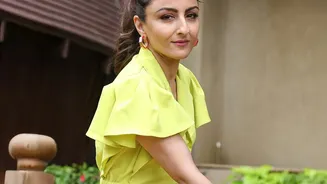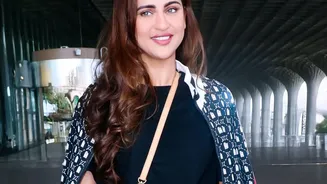

The New Festive Mindset: Comfort and Re-Wearability
For years, festive dressing in India meant elaborate, heavily embellished garments reserved for specific occasions. But a significant shift is underway. Today's shopper is asking different questions: Is it comfortable? Can I wear it again? Was it made
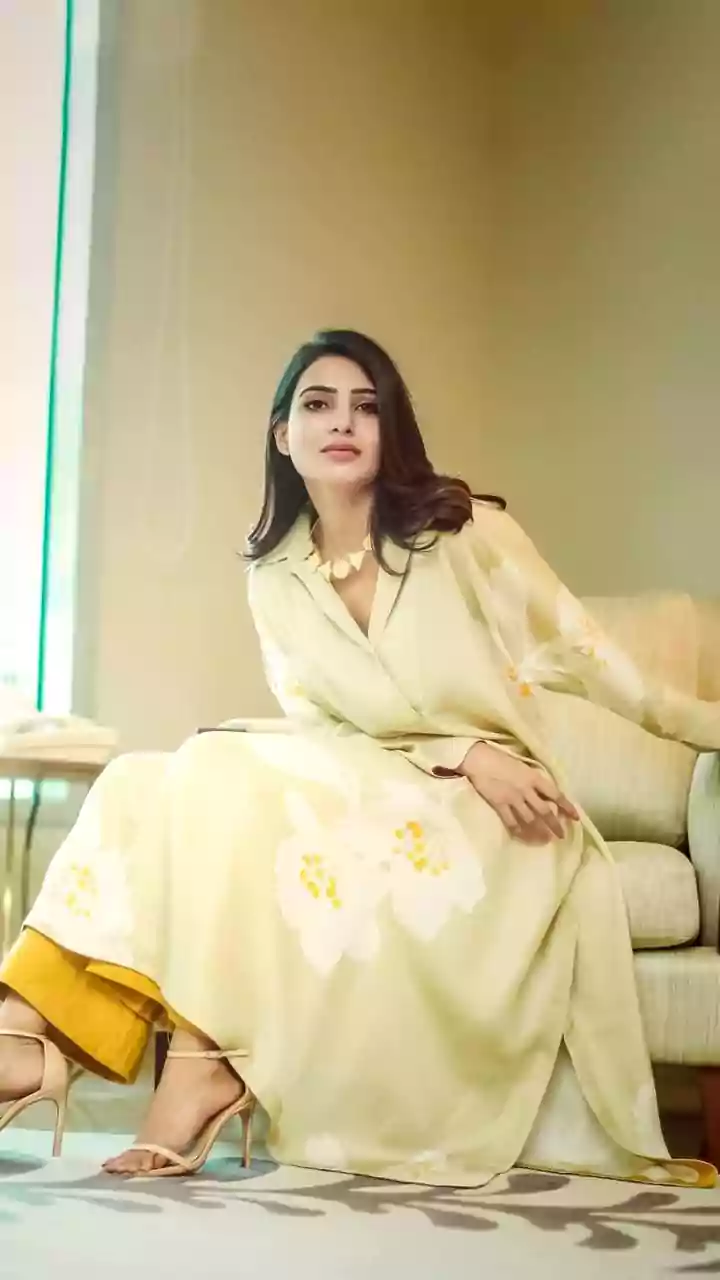
thoughtfully? This has sparked a move towards lighter fabrics, relaxed fits, and versatile pieces that extend beyond a single event. The focus is now on building a more sustainable and personal festive wardrobe, where quality and craftsmanship are valued over sheer quantity. This change is not about compromising on glamour, but redefining it for a modern lifestyle where ease and longevity are paramount.
Heirloom Crafts on Everyday Canvases
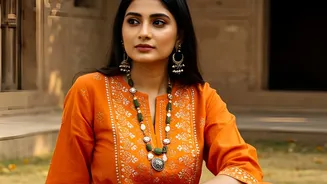
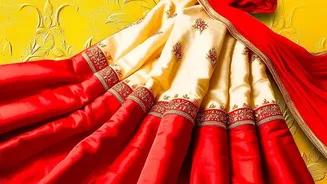
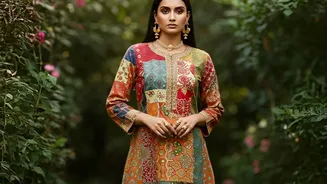
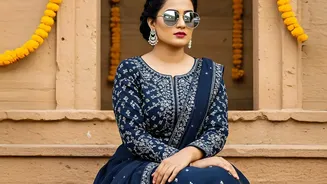
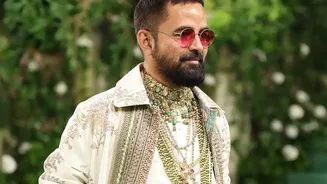
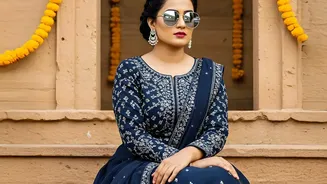
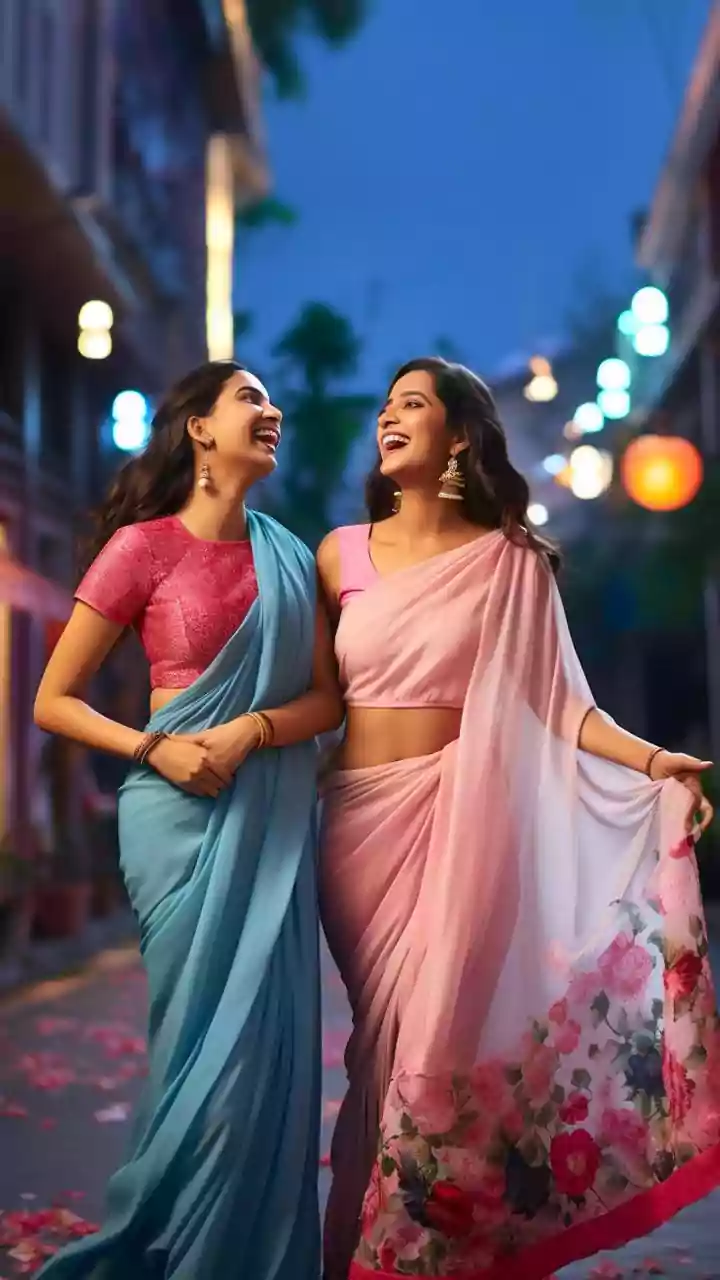
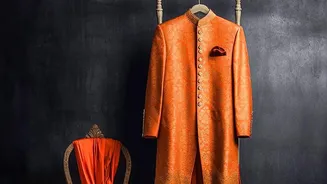
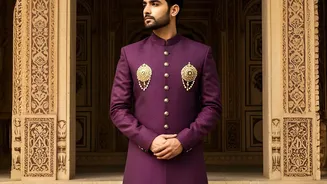
At the heart of this trend is the reinterpretation of age-old Indian crafts. Techniques once reserved for sarees and lehengas are now appearing on contemporary apparel. Delicate Chikankari embroidery, traditionally seen on kurtas, now adorns everything from relaxed shirts to jumpsuits and dresses. Similarly, the vibrant tie-dye of Bandhani and the block-printed motifs of Kalamkari are being applied to structured blazers and flowing kaftans. Designers are celebrating the visible hand of the maker, bringing intricate details like mirror work, Kantha, and Zardozi to silhouettes that can be integrated into daily life. This fusion allows the wearer to connect with their heritage in a way that feels current and personal.
Silhouettes Get a Practical Makeover
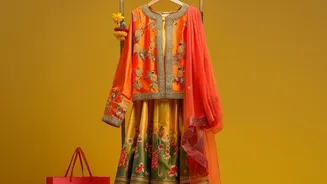
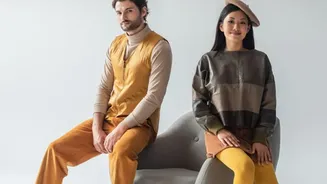
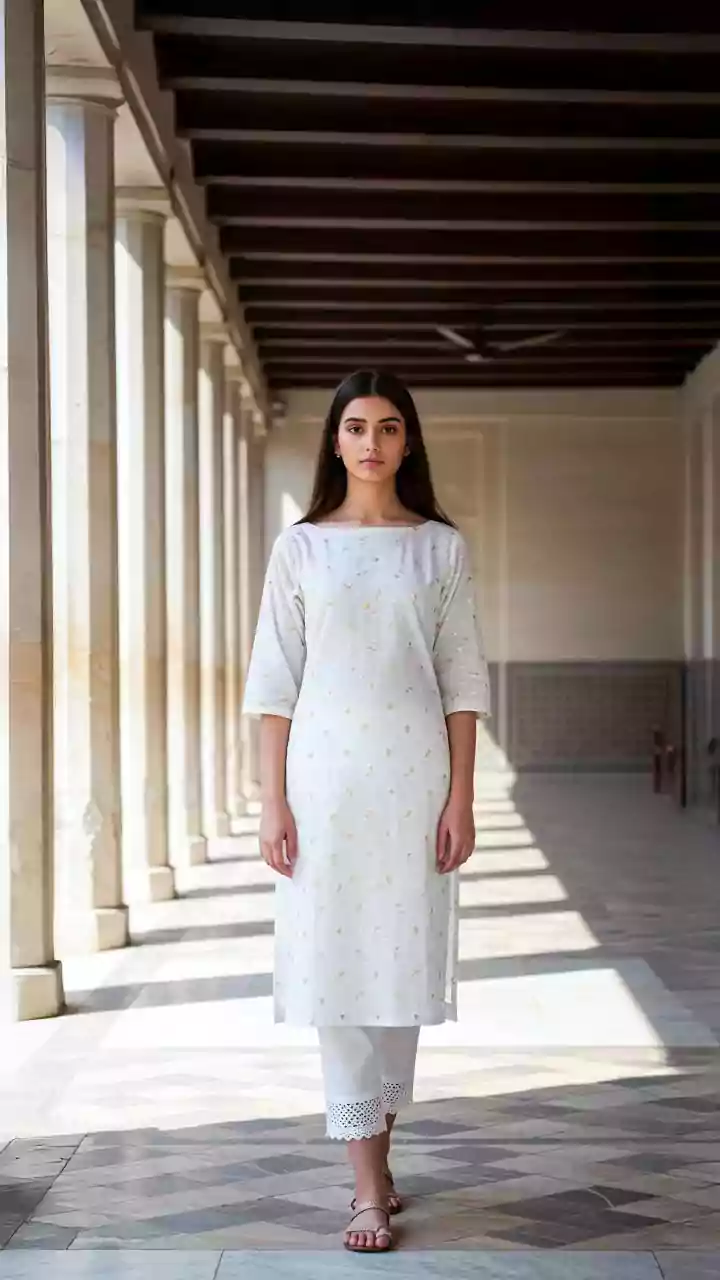
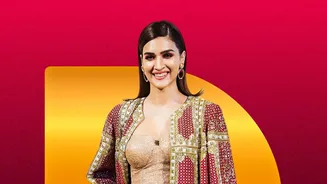
The biggest evolution is happening in the shapes themselves. The ethnic co-ord set has emerged as a hero piece, offering a perfectly coordinated look with zero hassle. These matching sets, whether a kurta with trousers or a crop top with a skirt, provide a polished outfit that bridges the gap between traditional and contemporary dressing. Beyond co-ords, other modern staples are getting an ethnic twist. Jackets and capes are replacing dupattas, offering a chic layering option. Kurtas are being styled as dresses, and handloom fabrics are tailored into sharp trousers and blouses. This versatility is key; an embroidered jacket can be thrown over jeans, and a festive crop top can be paired with a simple skirt, extending the life of each garment far beyond the festive calendar.
Why Is This Happening Now?
Several factors are driving this sartorial shift. A growing consciousness around sustainability is a major influence, with consumers seeking timeless, well-made pieces they can wear repeatedly. The slow fashion movement champions handcrafted techniques and natural fabrics like cotton, linen, and Chanderi, which are both eco-friendly and comfortable. Furthermore, the changing lifestyles of modern Indian women demand clothing that is versatile and easy to style for various occasions, from the office to a festive gathering. This trend is not just about aesthetics; it's a practical response to a desire for fashion that is meaningful, ethical, and effortlessly integrated into a dynamic life.