





Before You Travel: Proactive Steps
The best way to handle a disruption is to prepare for one. When booking, consider direct flights as they eliminate the risk of missed connections. Pay close attention to the airline's cancellation and rescheduling policies before you purchase a ticket.
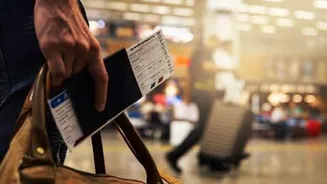
It is also wise to consider travel insurance that specifically covers trip interruptions. Always provide accurate contact information—a current mobile number and email address—during booking. Airlines are required to notify you of changes, and this is how they will do it. Lastly, pack smart. Keep essentials like medication, a change of clothes, chargers, and important documents in your carry-on bag, not your checked luggage. This ensures you have access to your necessities even if you are separated from your baggage for an extended period.
Know Your Rights: The DGCA Passenger Charter
India's Directorate General of Civil Aviation (DGCA) has a Passenger Charter that outlines what airlines owe you. These rules are your most powerful tool. For instance, if an airline cancels your flight with less than 24 hours' notice, it must offer you an alternative flight or a full refund plus additional compensation. The compensation can range from ₹5,000 to ₹10,000, depending on the flight's original block time. In cases of denied boarding due to overbooking, compensation can go up to ₹20,000. It is important to note that these compensation rules generally do not apply to disruptions caused by "extraordinary circumstances" outside the airline's control, like severe weather or political instability.
The Airline's Duty of Care During Delays
While cash compensation for a simple delay is not mandated in India, airlines have a 'duty of care'. If your flight is delayed by two hours or more, the airline is obligated to provide you with free meals and refreshments appropriate for the time of day. Should the delay extend overnight (or for more than 6 hours for flights scheduled between 8 p.m. and 3 a.m.), the airline must provide hotel accommodation and transport to and from the airport. If a domestic flight is delayed by more than six hours, you are entitled to choose between an alternative flight or a full refund. These care obligations apply regardless of the reason for the delay, even in cases of bad weather.
What to Do When Disruption Strikes
The moment you receive an email or SMS about a flight change, stay calm and act methodically. First, contact the airline directly. If you are at the airport, go to the airline's counter. If you are at home, use their customer service helpline. Politely but firmly state your situation and ask about your options for rebooking or a refund. Keep a record of all communication, including the names of staff you speak with and the time of the calls. Retain all documents: your original ticket, boarding pass, and any notifications about the delay or cancellation. These will be crucial if you need to file a formal complaint or claim compensation later.
How to Escalate a Complaint
If you feel the airline is not honouring your rights, you have recourse. The first step is to file a formal grievance through the airline's own channels, usually via their website. Give them a reasonable time to respond, typically up to 30 days. If you do not receive a satisfactory resolution, you can escalate your complaint to the DGCA through the official AirSewa portal or mobile app. This platform is designed to handle passenger grievances against airlines. You can also approach a consumer forum as a last resort. Remember, airlines cannot force you to accept travel vouchers instead of a cash refund if you are entitled to one; the choice is yours.