


The Power of the Monsoon
Meghalaya is home to some of the wettest places on Earth, a fact that defines its landscape and its rivers. During the monsoon season, from roughly June to September, the region receives intense, concentrated rainfall. This isn't just a steady drizzle;
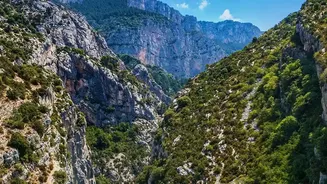
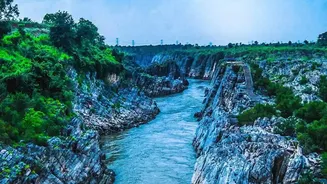
cloudbursts can drop immense amounts of water in a very short time. The state's unique topography, characterized by steep gorges and deep canyons, acts as a natural funnel. Rain that falls across a wide catchment area is channelled into narrow riverbeds. This geographical setup means that even distant rainfall can cause a river downstream to swell dramatically and without immediate warning, a phenomenon known as a flash flood.
From Calm to Chaos in Minutes
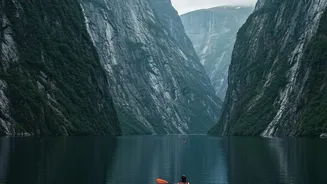
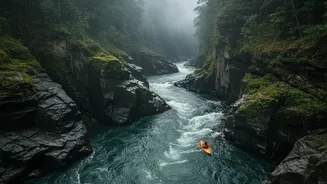
A calm, clear river can transform into a raging torrent in a frighteningly short period. This rapid increase in water volume is the single greatest danger for canyon kayakers. A river that was easily navigable one moment can become a churning, high-volume beast the next. The force of the water increases exponentially, making it difficult to control a kayak, and safe eddies—calm spots used for resting—can disappear completely. High water is often classified as a step above its normal difficulty rating; a Class III run can quickly become a much more dangerous Class IV challenge. These conditions require advanced skills and a level of vigilance that cannot be overlooked.
Hidden Dangers Beneath the Surface
It’s not just the volume and speed of the water that poses a threat. Rising river levels create new, often invisible, hazards. One of the most dangerous is a “strainer.” These are obstacles like submerged trees, branches, or fences that allow water to pass through but can trap a person or a kayak. In high water, bankside trees that are normally well above the river can become deadly strainers. The murky, sediment-filled water also reduces visibility, hiding rocks, logs, and other debris that would be easy to avoid at lower levels. The powerful current can pin a kayaker against these objects with immense force, making self-rescue incredibly difficult.
Non-Negotiable Safety Protocols
Given the risks, preparation and caution are paramount. Many authorities in hilly regions ban adventure sports like rafting during the peak monsoon for safety reasons. If you do decide to venture out, always go with a certified and reputable local operator. These guides have an intimate knowledge of the rivers, understand weather patterns, and can recognise early warning signs. Before any trip, check the weather forecast meticulously, not just for your immediate location but for the entire upstream catchment area. Inform someone of your float plan, including your route and expected return time. Never paddle alone, especially in monsoon conditions, and be upfront with your guide about your skill level and any health concerns.
Reading the River's Warning Signs
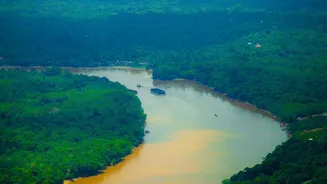
Experienced kayakers learn to read the river for signs of changing conditions. A sudden change in water colour, often becoming muddier or browner, can indicate a surge of water from upstream. An increase in floating debris like twigs and leaves is another tell-tale sign that the water level is rising. Pay close attention to the water lines on canyon walls and rocks. If you notice the river is climbing, it is a clear signal to find a safe exit route immediately. In the volatile environment of a Meghalayan canyon during monsoon, there is no room for complacency. Being able to spot these warnings can be the difference between a safe adventure and a life-threatening situation.