


The Master Plan: One Week Before
Success begins long before the stove is lit. One week out is the time for strategy. First, finalise your menu. A balanced menu includes a mix of dry (sabzi) and gravy dishes, a dal or lentil preparation, a type of bread (like puri or roti), rice, a raita,
a salad, and a dessert. When selecting recipes, choose ones you are comfortable with and perhaps one new dish to challenge yourself. Review each recipe and create a comprehensive master list of all ingredients, categorised by type: fresh vegetables and herbs, dairy (paneer, yogurt, ghee), pantry staples (flours, lentils, spices), and speciality items. This is also the time to check your equipment. Ensure your spice grinder, pressure cooker, and any special pans are clean and accessible.
Shopping and Sourcing: 4-5 Days Before
With your master list in hand, it’s time to shop. Divide your shopping into two trips if possible. Five days before the event, buy all your non-perishable items. This includes whole spices, flours, rice, lentils, sugar, oils, and any tinned goods like tomato paste. This is also the perfect time to source any hard-to-find regional or speciality ingredients that might require a trip to a specific market. By getting this out of the way early, you avoid the last-minute market rush and ensure you have everything you need. Store everything in an organised way, so it’s easy to find when you begin the prep work.
The Prep Powerhouse: 2-3 Days Before
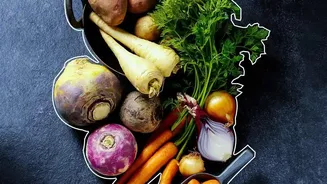
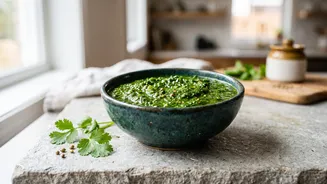
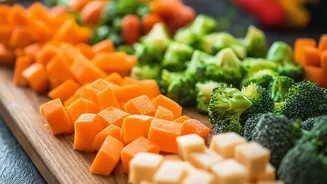
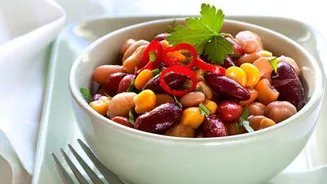
This is where the magic happens. The French call it 'mise en place', or 'everything in its place', and it is the secret to a stress-free festival day. Many core components of Indian cooking can be prepared in advance. You can make ginger-garlic paste and onion-tomato masala, which form the base for many curries. These base gravies can be refrigerated or even frozen. You can also make spice powders, toast and grind whole spices, and prepare chutneys. Soaking legumes like chickpeas or kidney beans can also be done now. For vegetables, hardier ones like potatoes, carrots, and beans can be chopped and stored in airtight containers in the refrigerator. This intensive prep session is the single most effective way to reduce your workload on the main day.
Advanced Prep: The Day Before
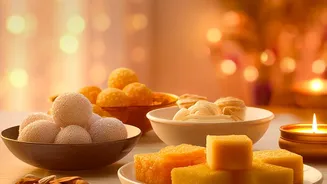
The day before the feast is for tasks that require freshness but can still be done ahead. Knead the dough for puris, chapatis, or parathas and store it in an oiled, airtight container in the fridge. Marinate your paneer or vegetables. Prepare the components for your dessert — if you are making kheer, you can have the milk and rice ready; for gulab jamun, the balls can be fried and kept ready for their sugar syrup bath. This is also the time to chop the more delicate vegetables and fresh herbs like coriander, storing them in damp paper towels inside containers. Set your yogurt for raita. Doing this spreads the work and leaves you with only the final cooking and assembly.
Final Assembly: The Festival Day
Today is about execution, not preparation. Thanks to your prep work, you can focus on the final cooking. Start with dishes that take the longest to cook or can be easily reheated, like dal and certain sabzis. Rice is best made closer to the mealtime. Frying, for items like pakoras or puris, should be done last to ensure they are served hot and crispy. Work in a logical order, cleaning as you go to keep your workspace clear. Set out your serving dishes in advance. As you finish each dish, transfer it to its serving bowl. Your thorough planning means you can actually enjoy the festivities, serving a beautiful, complex meal without being exhausted.