







Beyond the Weighing Scale
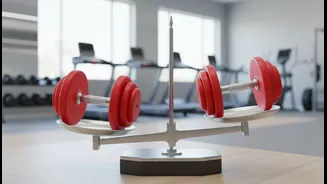
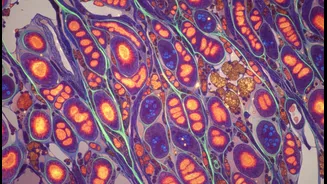
We often measure fitness success by numbers on a scale or a reflection in the mirror. While these metrics can be motivating, they don’t tell the whole story. The true magic of consistent exercise happens deep within your body, at a cellular level. This
slow, steady adaptation is where long-term health is forged. Studies show that individuals who focus on long-term goals and practice patience are far more likely to stick with their exercise routines and achieve greater overall success. The real win isn't just about looking better; it's about fundamentally changing how your body functions and, remarkably, how it ages. By shifting focus from rapid transformation to the process of consistent effort, you tap into profound biological benefits that a crash course in fitness can never provide.
What is Molecular Ageing?
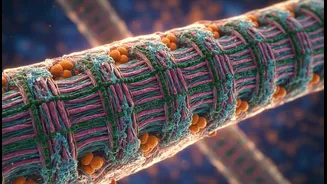
When scientists talk about "molecular ageing," they're referring to the gradual decline in the function of our cells and tissues over time. Think of it as your biological age, which can be different from your chronological age. Key players in this process include mitochondria, the powerhouses of our cells, and telomeres, the protective caps on our chromosomes. As we age, mitochondria can become less efficient at producing energy, and telomeres tend to shorten, which is linked to age-related decline and disease. Furthermore, chronic low-grade inflammation and oxidative stress can accelerate this process. However, research increasingly shows that lifestyle interventions, especially exercise, can directly and positively influence these molecular markers, effectively slowing down the ageing process.
How Consistent Exercise Rewinds the Clock
Regular physical activity is one of the most powerful tools we have to combat molecular ageing. Endurance exercises like running or cycling prompt the body to create more mitochondria, the tiny energy factories in our muscles. This enhances your body's ability to produce energy, making you feel more vital and resilient. Strength training, on the other hand, excels at promoting the synthesis of muscle proteins, which is crucial for maintaining muscle mass and strength as we age. Studies have demonstrated that consistent training can help preserve the length of telomeres, protecting our DNA from age-related damage. Exercise also acts as a potent anti-inflammatory agent and boosts our body's antioxidant defences, further safeguarding our cells. The result is a body that is biologically younger and more robust.
The Power of Slow and Steady Adaptation
The phrase “slow adaptation” in the context of fitness refers to the gradual, consistent process of the body responding to the stress of exercise. While it might be tempting to go all-out from day one, this often leads to burnout or injury. True, lasting change comes from consistency. Each workout sends signals to your genes and cells to adapt and become stronger, a process known as hormesis. This deliberate, repeated stress is what builds more efficient energy systems, stronger muscle fibres, and denser bones. Forcing the process with overly intense workouts without adequate recovery can actually increase oxidative stress and impair cellular signalling. In contrast, a patient, progressive approach allows your body to build a solid foundation, leading to more sustainable and significant improvements in both performance and health over the long term.
Embrace the Journey, Not Just the Destination
Understanding the science of molecular ageing gives us a powerful reason to reframe our relationship with exercise. Instead of chasing a number on the scale, we can learn to appreciate each workout as an investment in our long-term healthspan. The goal shifts from instant results to building sustainable habits. Focus on how you feel—the increased energy, better mood, and improved sleep quality that come with regular movement. These are the immediate rewards of a process whose deepest benefits are quietly accumulating at a cellular level, protecting you for years to come. Remember that every session, no matter how small, contributes to a biologically younger and more resilient you.