




The Science of Steam
When you pull a cake, loaf of bread, or batch of cookies from the oven, it's still undergoing a crucial process. It's not just hot; it's full of trapped water that is trying to escape as steam. The internal temperature of a freshly baked loaf of bread can
be as high as 93°C. As it rests, this heat and moisture slowly move from the centre outwards. If you seal the item in a container or wrap it in plastic while it's still warm, all that escaping steam has nowhere to go. It becomes trapped inside the packaging, creating a warm, humid environment that is the enemy of good texture. This initial cooling phase is essential for the structure to set properly. As starches cool, they re-crystallize in a process called retrogradation, which firms up the crumb and gives items like bread their sliceable structure.
Condensation Creates a Soggy Mess
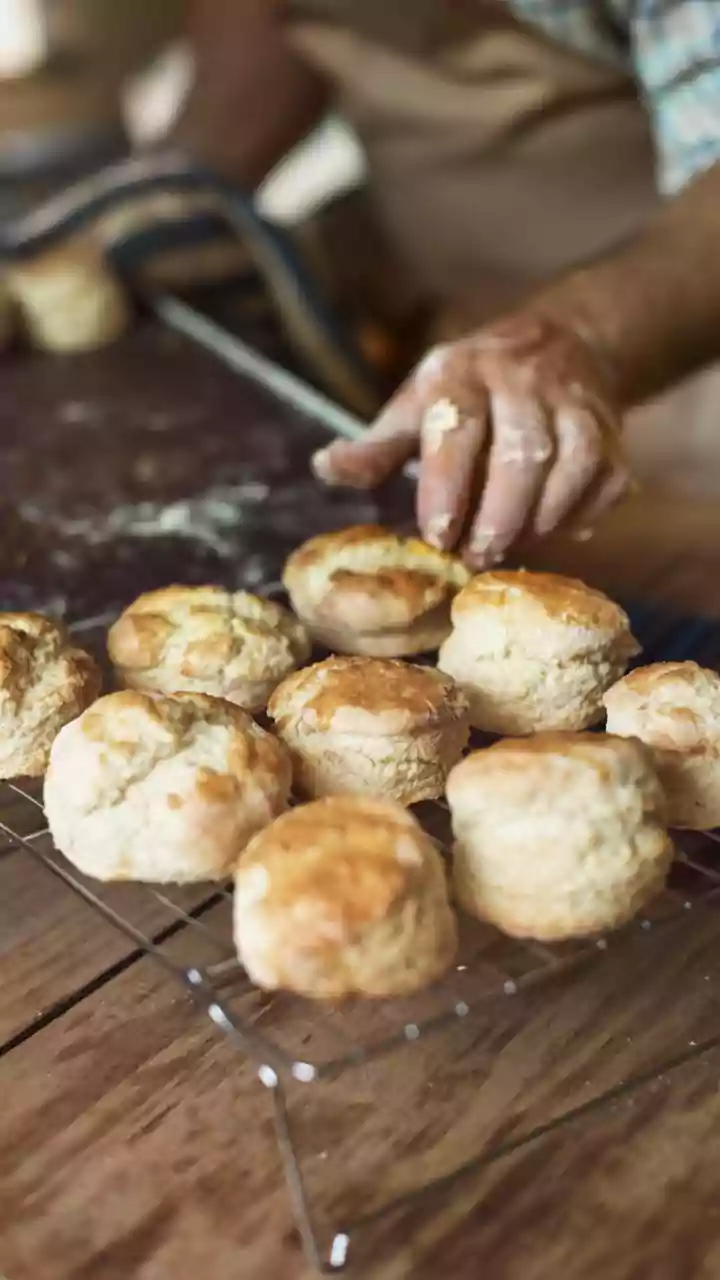
That trapped steam quickly turns into its liquid form: water. As the warm, moist air inside the container comes into contact with the cooler surface of the packaging, it condenses into droplets. This moisture then settles on the surface of your baked goods. The result is a sticky top on your cake, a damp and chewy crust on your artisan bread, and limp, soft cookies that have lost their snap. This is the primary cause of the dreaded "soggy bottom," where the base of a cake or pie becomes wet and dense because steam couldn't escape. To avoid this, baked goods must be transferred to a wire cooling rack as soon as possible after coming out of the oven. This allows air to circulate around the entire product, whisking away steam from the top, bottom, and sides, ensuring an even texture and a perfectly crisp crust where intended.
The Problem with Frosting and Glazes
Attempting to ice a warm cake is another recipe for disaster. The heat from the cake will melt your frosting, whether it's a rich buttercream or a simple cream cheese frosting. Instead of a clean, beautiful coating, you'll be left with a runny, greasy layer that soaks into the cake itself, making it overly sweet and structurally unstable. For a smooth finish, the cake needs to be completely cool to the touch. Professional bakers often go a step further, chilling the cooled cake layers before applying a thin "crumb coat" of frosting. This initial layer traps any loose crumbs and firms up in the refrigerator, creating a perfect canvas for the final, beautiful layer of icing.
An Invitation for Unwanted Growth
A warm, moist, and sugary environment is the perfect breeding ground for mould and bacteria. While baking kills most microorganisms, contamination can occur as soon as the item comes out of the oven, from spores in the air or on surfaces. Sealing a warm cake or bread traps both warmth and moisture, creating an ideal incubator. The temperature range between 4°C and 60°C is often called the "bacterial growth zone," where harmful microbes multiply rapidly. By letting your baked goods cool completely in the open air, you significantly reduce the moisture and temperature, making the surface less hospitable to spoilage agents like mould. This extends the shelf life of your creation, ensuring it stays fresh and safe to eat for longer.
The Right Way to Cool and Store
The golden rule is to let your baked goods cool completely on a wire rack. This usually takes 2 to 3 hours for a full-sized cake. For breads with a crispy crust, you can even leave them out, cut-side down, on a cutting board for the first day to preserve the texture. Once completely cool, the right storage depends on the item. Soft cookies and sandwich breads should go into an airtight container or a plastic bag to retain moisture. Cakes with dairy-based frostings need to be refrigerated in a covered container. For long-term storage, freezing is your best friend. Wrap cooled items tightly in plastic wrap, then a layer of foil, and place them in the freezer. This method preserves freshness far better than refrigeration, which can actually make bread go stale faster.