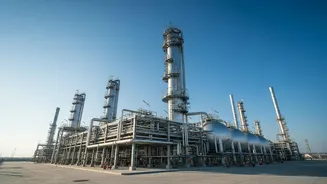







More Oil Is On the Way
On the surface, recent news from the global oil market sounds promising for consumers. The Organization of the Petroleum Exporting Countries and its allies, a group known as OPEC+, has decided to increase oil production. Starting in September 2026, they
will add another 188,000 barrels per day to the global market. In classic economics, more supply usually leads to lower prices. This decision completes the reversal of voluntary production cuts made back in 2023. While this is a step towards increasing global supply, it is a relatively modest one, especially as larger production cuts from 2022 are still in effect and ongoing geopolitical tensions continue to disrupt how much of this oil actually reaches the market.
The Dollar-Denominated Dilemma
The first and most important thing to understand about oil is that it is traded globally in US dollars. This means that no matter where a country is or what its local currency is, it must pay for its crude oil imports in dollars. As a nation that imports over 85% of its crude oil requirements, India is heavily exposed to this reality. Every single day, Indian oil marketing companies (OMCs) must purchase enormous quantities of dollars to pay for the crude oil tankers heading to our refineries. This makes the price of oil not just a story about barrels, but a story about currency exchange.
Why the Rupee's Value Is Crucial
This is where the Indian Rupee enters the equation, and its performance can either amplify or completely negate changes in global oil prices. When the Rupee weakens against the US dollar, Indian refiners have to spend more rupees to buy the same number of dollars. For example, a barrel of oil priced at $90 costs an importer ₹8,100 when the exchange rate is ₹90 per dollar. But if the Rupee weakens to ₹95 per dollar, that same $90 barrel now costs ₹8,550. That ₹450 increase is a direct result of currency fluctuation, even though the oil price itself never changed. In early August 2026, the Rupee has been trading in a volatile range around ₹95 to the dollar, significantly weaker than it was a year ago. A weak rupee inflates India's import bill and can wipe out the benefits of falling crude prices.
Calculating the Final Cost
The combination of the international crude price and the INR-USD exchange rate determines the 'landed cost' of crude oil—the actual price in rupees that an Indian refinery pays to get the raw material. But this is just the beginning of the journey to the final price you pay. From there, several other costs are added. These include refining charges, freight costs, and the profit margins for the oil marketing companies. After all that, the government adds its own levies. Central and state taxes, including excise duties and Value Added Tax (VAT), make up a massive portion of the final retail price, often between 40% and 55%. This complex pricing structure is why pump prices don't always move in lockstep with global trends.
The September Outlook for Your Wallet
So, what does this all mean for September? The planned increase in oil supply by OPEC+ might put some downward pressure on global crude prices. However, this effect is likely to be muted. The bigger question for Indian consumers is what the Rupee will do. If the Rupee remains weak or depreciates further against the dollar, the higher cost of converting currency could easily swallow any small saving from the global oil price. In a worst-case scenario for consumers, a significantly weaker Rupee could mean that even with more oil on the market globally, prices at the pump in India could stay the same or even rise. The fate of your fuel bill in the coming month rests as much on the currency traders in Mumbai as it does on the oil ministers in Vienna.