






The Anatomy of a Viral Challenge
What makes a fitness challenge go viral? It’s a potent mix of simplicity, structure, and community. Unlike a vague goal like “get fit,” a challenge offers a clear, time-bound path: do this specific thing for X number of days. This gamification of fitness is incredibly
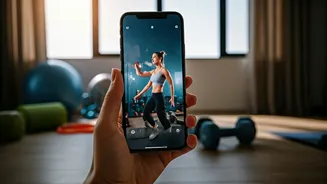
appealing. It breaks down a daunting objective into manageable daily tasks, providing a sense of accomplishment with every box ticked. Influencers are masters at packaging this. They create catchy hashtags, offer downloadable PDFs, and film daily check-ins, making followers feel like they are part of a structured, exclusive programme. The visual nature of platforms like Instagram and TikTok is crucial; progress photos, sweaty selfies, and video montages create a compelling, shareable narrative that algorithms love to promote.
The Power of Community and Motivation
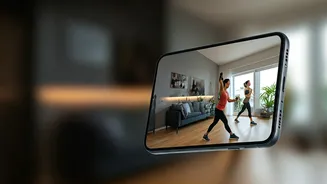
For many, the biggest draw of these challenges isn't just the workout; it's the community. When you join a challenge, you’re instantly connected to thousands of others on the same journey. The hashtag becomes a virtual support group, a digital gym floor where people share their struggles, celebrate their wins, and offer encouragement. This sense of shared purpose can be a powerful motivator, especially for those who find traditional gyms intimidating or lack a real-world support system. Seeing an influencer and countless others complete the day’s task can provide the push needed to get off the sofa. This collective energy fosters accountability and can transform fitness from a solitary chore into a shared, positive experience.
The One-Size-Fits-None Problem
However, the greatest strength of these challenges is also their most significant weakness: their one-size-fits-all approach. A routine designed by an influencer for a mass audience cannot account for individual fitness levels, pre-existing injuries, or specific health conditions. A high-intensity challenge that is perfect for a 25-year-old athlete could be dangerous for a 45-year-old beginner. This lack of personalisation can lead to burnout, frustration, and even serious injury. Physiotherapists often report seeing an influx of patients with sprains and strains after a particularly popular online challenge has made the rounds. The pressure to keep up can cause people to ignore their body’s warning signals, pushing through pain in pursuit of a goal that was never designed for them in the first place.
Perfection, Pressure, and Mental Toll
Beyond the physical risks, there's a potential mental and emotional toll. Challenge culture is intrinsically linked to the 'before and after' photo phenomenon. While intended to be motivational, this constant focus on dramatic physical transformation can fuel unhealthy comparison and body image issues. When your feed is flooded with seemingly perfect bodies achieving flawless results, it’s easy to feel inadequate if your own progress doesn’t measure up. Furthermore, the pressure to document and perform every workout can turn a healthy habit into a source of anxiety. Missing a day might feel like a personal failure, not just a necessary rest day, creating a cycle of guilt that is the very opposite of genuine well-being.
Motivation Meets Monetisation
It’s also important to remember that for many influencers, driving challenge culture is a business strategy. A successful challenge is a powerful marketing funnel. It builds an engaged, loyal community that can then be monetised through brand partnerships with supplement companies, workout apparel brands, or sales of their own proprietary apps, e-books, and personalised plans. While many influencers genuinely want to help people, their role is complex. They are simultaneously coaches, entertainers, and marketers. Recognising this commercial layer is key to consuming their content with a critical eye.