





The Scale of India's Data Centre Boom
The growth is staggering. Propelled by data localisation norms, explosive internet use, and the generative AI wave, India's data centre capacity is set to more than double in the coming years. Projections show the nation's capacity, which stood at around
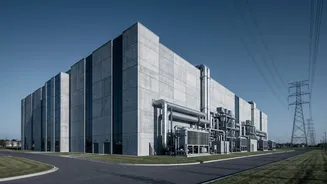
950 megawatts (MW) in 2023, is on track to exceed 2,000 MW by 2026. This expansion is attracting billions in investment and is concentrated in hubs like Mumbai, Chennai, Hyderabad, and the Delhi-NCR region. While essential for the 'Digital India' mission, this rapid, concentrated growth is placing unprecedented strain on local infrastructure that was never designed to support such intense demand.
The Unseen Energy Drain of AI
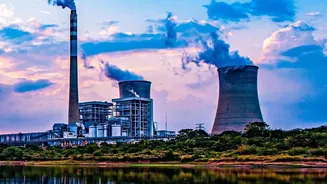
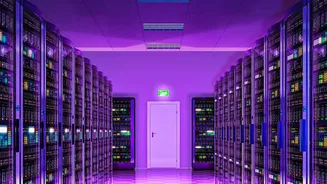
Not all data centres are created equal. An AI data centre is a different beast altogether. Training artificial intelligence models requires thousands of specialised, high-power graphics processing units (GPUs) working in unison, consuming exponentially more energy than traditional data storage and retrieval centres. A standard data centre rack might consume 5-10 kilowatts (kW); an AI rack can demand 50-100 kW. As a result, the data centre industry, which currently accounts for less than 2% of India's energy consumption, could see its share balloon to over 7% in the next decade. This raises a critical question: in a country still working to provide reliable power to all its citizens, where will this extra electricity come from?
A Growing Thirst for Water
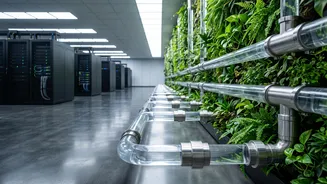
Power is only half of the equation. These energy-intensive facilities generate an immense amount of heat and require constant cooling to operate. The most common method, evaporative cooling, uses vast quantities of water. A single large data centre can consume millions of litres of water per day, often comparable to the amount used by a small town. This presents a direct conflict in a country where 600 million people face high to extreme water stress. The problem is magnified by the fact that major data centre hubs like Chennai and Pune are located in regions that have historically struggled with severe water shortages, pitting the needs of a burgeoning digital economy against the fundamental needs of the local population.
The Search for a Sustainable Path
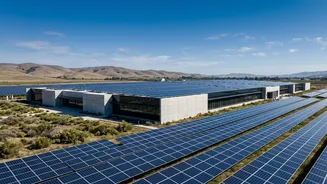
The industry and government recognise the challenge. The search is on for a more sustainable path forward. The focus is on improving efficiency metrics like Power Usage Effectiveness (PUE) and Water Usage Effectiveness (WUE). A lower PUE value means a higher percentage of energy is used for computing rather than cooling or other overheads. Similarly, an efficient WUE is critical. Solutions include shifting towards renewable energy sources like solar and wind, which the government is promoting through its Data Centre Policy. More advanced technologies like liquid cooling, which is far more efficient than air cooling, are also being explored. However, these green solutions require significant upfront investment and careful planning to implement at the scale and speed India's digital ambitions demand.