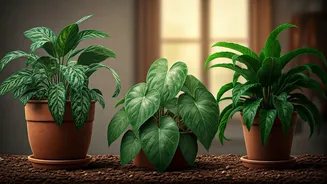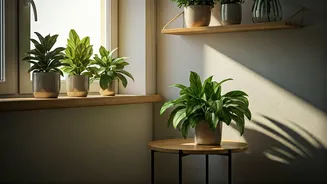




Why Choose Low-Light Plants?
Not every home is blessed with bright, sunny windows. For many people in apartments or homes with north-facing windows or shade from other buildings, keeping plants alive can seem like a challenge. Low-light plants are the perfect solution. These resilient
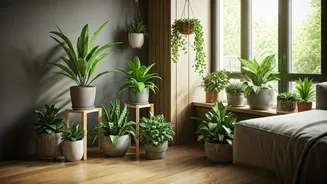
species have adapted to survive in environments with minimal sunlight, such as on the floor of a dense forest. This makes them ideal for brightening up dim corners, offices, and bedrooms. Beyond their adaptability, indoor plants are known to improve air quality, reduce stress, and boost productivity. Low-light varieties offer these benefits without the demanding care routines of their sun-loving counterparts, making them an ideal entry point for new plant owners.
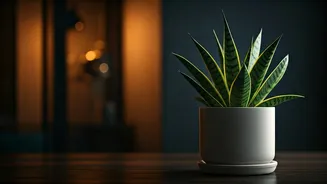
Snake Plant (Dracaena trifasciata)
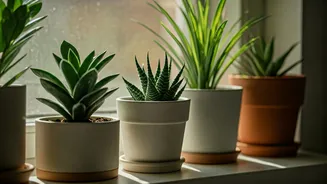
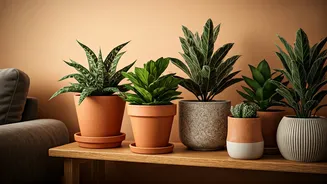
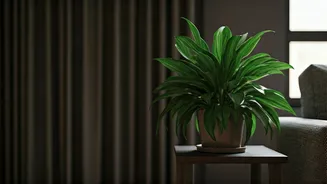
Often called Mother-in-Law's Tongue, the Snake Plant is arguably the most forgiving indoor plant you can find. Its upright, sword-like leaves have a modern, architectural feel that fits any decor. Native to West Africa, it's incredibly hardy and tolerant of a wide range of conditions, including very low light and infrequent watering. In fact, the biggest mistake owners make is overwatering, which can lead to root rot. For best results, allow the soil to dry out completely between waterings—this could mean watering as little as every two to three weeks. It’s an excellent air purifier and a perfect choice for beginners.
ZZ Plant (Zamioculcas zamiifolia)
If you're looking for a plant that thrives on neglect, the ZZ Plant is your answer. With its wide, dark green, glossy leaves, it looks almost too perfect to be real. The ZZ Plant is exceptionally tough and can survive in very dim corners where other plants wouldn't stand a chance. Its resilience comes from its large underground rhizomes, which store water, making it extremely drought-tolerant. Like the Snake Plant, it requires very little water and is more likely to suffer from too much attention than too little. Simply dust its leaves occasionally to keep them shiny and able to absorb what little light they get.
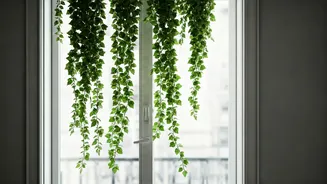
Pothos (Epipremnum aureum)
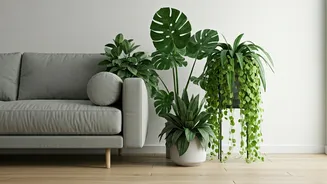
Commonly known as Money Plant in India, Pothos is a versatile and popular trailing plant with heart-shaped leaves. It is extremely adaptable and can live in low light, although variegated types might lose some of their colouring in dimmer conditions. While it can survive without much natural light, it cannot live in complete darkness and may require an artificial light source in a windowless room. Pothos is excellent for hanging baskets or placed on shelves where its vines can cascade down. It's also a great communicator; its leaves will start to droop slightly when it needs water. This plant is easy to propagate and can even grow in just a jar of water.
Peace Lily (Spathiphyllum)
For those who want a flowering option, the Peace Lily is a classic choice for low-light environments. It features elegant, dark green leaves and produces beautiful white spathes that look like flowers. While it can tolerate low light, placing it in a spot with brighter, indirect light will encourage more blooming. The Peace Lily has the helpful habit of drooping dramatically when it's thirsty, taking all the guesswork out of watering. Once watered, it bounces back quickly. It’s a graceful plant that helps purify the air and adds a touch of elegance to any room.
Caring for Your Low-Light Collection
While these plants are low-maintenance, they aren't 'no-maintenance'. The most common mistake with low-light plants is overwatering. Since they grow slower and perform less photosynthesis, they need less water than plants in bright light. Always check if the top inch or two of soil is dry before watering again. It's also a good idea to rotate your plants every few weeks to ensure all sides get some light exposure for even growth. Finally, keep the leaves clean by wiping them with a damp cloth; a layer of dust can block the limited light they receive, making photosynthesis even more difficult.