




The Magic of Cashew Paste
Cashews are a cornerstone of dairy-free creamy curries, especially in Mughlai-inspired dishes like korma. Their high-fat content and neutral flavour create a silky paste that adds body without overpowering the spices. To use them, simply soak raw, unsalted
cashews in hot water for at least 30 minutes, or overnight if you have time. This softens them for easier blending. Drain the cashews and blend them with a small amount of fresh water until you have a completely smooth, thick cream. This paste can be stirred into your curry towards the end of the cooking process. Let it simmer gently for a few minutes to thicken the gravy and cook out any raw taste, but avoid boiling it vigorously, which can cause it to split. The result is a rich, restaurant-style finish that is entirely vegan.
Harnessing the Power of Coconut
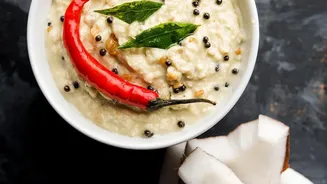
Coconut milk is another classic route to a creamy curry, particularly in South Indian and coastal cuisines. Full-fat canned coconut milk provides a luxurious texture and a subtle sweetness that pairs beautifully with spices like turmeric, mustard seeds, and curry leaves. For the richest result, use the thick cream that solidifies at the top of a chilled can of full-fat coconut milk. Unlike cashew paste, coconut milk brings its own distinct flavour, so it's best used in recipes where that tropical note is welcome. To prevent it from splitting and losing its delicate flavour, add coconut milk towards the end of cooking and allow it to heat through gently without a rolling boil. It's an excellent choice for vegetable, chickpea, and fish curries.
The Unsung Heroes: Seeds
Several types of seeds are traditionally used in Indian cooking to create body and creaminess. White poppy seeds (khus khus or posto) are prized in Bengali cuisine for the velvety texture and nutty flavour they impart. They should be soaked and ground into a fine paste, often with a little water, before being added to the gravy. Similarly, melon seeds (magaz), which are hulled watermelon or muskmelon seeds, serve as a neutral-tasting thickener in many North Indian gravies. They can be used alone or blended with cashews to create a lighter, yet still rich, korma-style base. Like nuts, these seeds should be soaked in warm water for about 20-30 minutes before blending to ensure a smooth, grit-free paste.
Building a Base with Onions and Tomatoes
Sometimes, creaminess is less about a single ingredient and more about technique. The foundation of many North Indian curries is a well-cooked base of onions, ginger, garlic, and tomatoes. By slow-cooking finely chopped or blended onions until they are deeply golden and sweet, you create a naturally thick and flavourful foundation before any liquid is even added. This process, known as 'bhuno', is fundamental. Adding puréed tomatoes and cooking the mixture until the oil begins to separate from the masala deepens the flavour and contributes significantly to the final texture. For an even smoother gravy, you can cool this cooked base and blend it until silky before proceeding with the recipe.
Other Plant-Based Thickeners
Beyond the traditional choices, other plant-based ingredients can also lend a creamy texture. A paste made from soaked almonds (with skins removed) can be used similarly to cashew paste. For a completely different approach, blended silken tofu creates a neutral, protein-rich creaminess that thickens sauces without adding a strong flavour. Simply blend a block of silken tofu with a small amount of plant-based milk or water until it reaches a yogurt-like consistency. This can be stirred into a finished curry to add body and a lush mouthfeel, tempering spice just as dairy would.