



Mastering the Art of Layering
The golden rule of mountain travel is to layer your clothing. September weather can be deceptive, with bright, sunny mornings giving way to chilly afternoons and cold nights. Instead of a single heavy jacket, pack multiple layers. Start with a moisture-wicking
base layer, like a synthetic or merino wool t-shirt, which keeps you dry. Add a fleece jacket or a light sweater as your insulating mid-layer for warmth. This system allows you to add or remove clothing as the temperature changes, keeping you comfortable throughout the day without overstuffing your luggage.
Essential Rain and Wind Protection
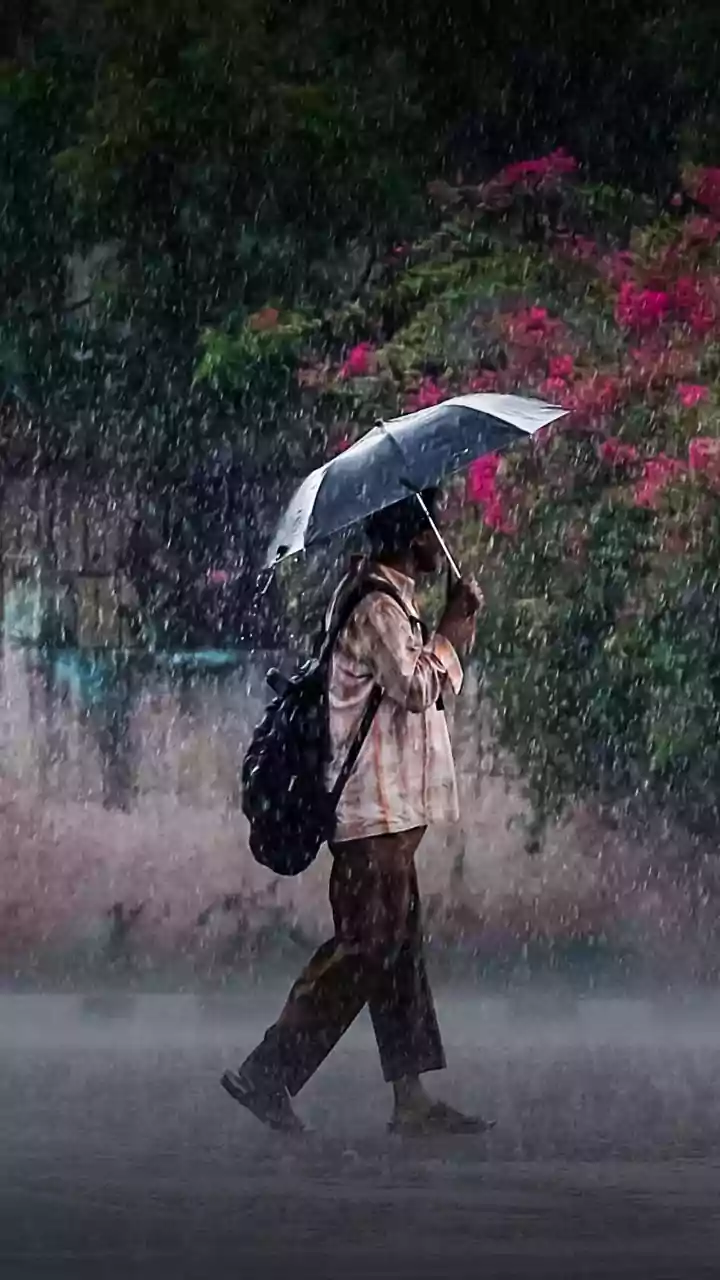
September is when the monsoon withdraws, but it doesn't always leave quietly. Lingering showers and strong winds are common, especially in the eastern Himalayas and southern hill stations. A waterproof and windproof outer jacket is non-negotiable. An umbrella can be useless against mountain winds, so a quality rain jacket or poncho is a much better investment. Also consider packing quick-dry trousers and a couple of extra pairs of socks. There's nothing worse than being stuck in damp clothes when the temperature drops.
The Right Footwear for Tricky Terrain
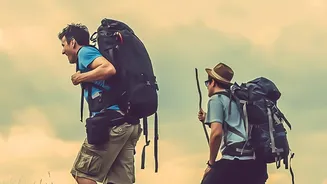
Post-monsoon trails can be slippery and muddy, even on seemingly easy walks. Sturdy, comfortable walking shoes with good grip are essential. Leave the fashion sneakers and smooth-soled shoes at home. Opt for a pair of waterproof trekking shoes or hiking boots, especially if your itinerary includes any walking on natural paths. It's also wise to carry a pair of waterproof sandals or floaters for relaxing at your hotel or for quick errands, giving your main shoes time to dry if they get wet.
A Well-Stocked Health and First-Aid Kit
Pharmacies in smaller hill towns might not be well-stocked. It's crucial to carry your own medical kit. Include any personal prescription medications with a few extra days' supply. Also pack basics like painkillers, antiseptic cream, bandages, medication for motion sickness, and tablets for stomach upsets. Oral rehydration salts (ORS) are vital for preventing dehydration. An insect repellent is also a must-have, particularly for destinations surrounded by forests where mosquitoes can be active after the rains.
Skincare for High-Altitude Conditions
The mountain air might feel fresh, but it's also dry and carries stronger UV radiation. High altitude can be harsh on your skin, so your regular skincare routine might not be enough. Pack a rich, hydrating moisturiser to prevent dryness and flakiness. Sunscreen with at least SPF 30, and ideally SPF 50, is mandatory, even on cloudy days, as UV exposure increases with altitude. A lip balm with SPF is also essential to protect against chapped lips. A gentle cleanser is better than a harsh one that can strip your skin of its natural oils.
Gadgets, Documents, and Cash
Network connectivity can be patchy in the mountains, and cold temperatures can drain batteries faster. A fully charged power bank is non-negotiable. Carry physical and digital copies of your ID (like an Aadhaar card or passport), hotel bookings, and any necessary travel permits. While digital payments are common, many small shops and local eateries in remote areas operate on a cash-only basis. Always carry enough cash for emergencies and small expenses. A torch or headlamp is also useful, as power cuts can be frequent in some areas.
Snacks and Hydration for the Road
Journeys in the hills can be long and unpredictable due to road conditions. Pack a reusable water bottle to stay hydrated and reduce plastic waste. It's also a good idea to carry some non-perishable snacks like dry fruits, nuts, biscuits, or energy bars. These can be a lifesaver during unexpected delays or when you're on a long drive between towns with few food stops. Chewing gum can also help with the ear pressure changes common during ascents and descents on mountain roads.