



The Monsoon's Long Shadow
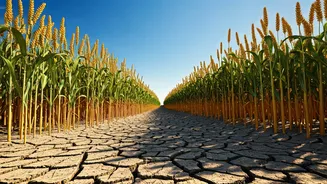
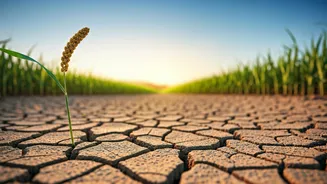
The monsoon is the lifeblood of India's economy, delivering about 75% of the country's annual rainfall. A weak monsoon season, as predicted for 2026 with rainfall expected to be below normal, casts a grim shadow. By late June, rains have been significantly
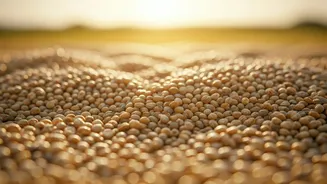
below average, raising concerns for the Kharif sowing season. This directly impacts water-intensive crops like rice, cotton, and soybeans, leading to sowing delays, threatening food price stability, and straining water and power resources across the nation. With nearly half of India's farmland entirely dependent on rain, a deficient monsoon exposes the vulnerability of millions of farmers and the nation's food security.
Enter the 'Super Grain'
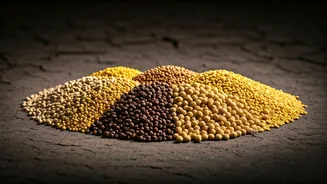
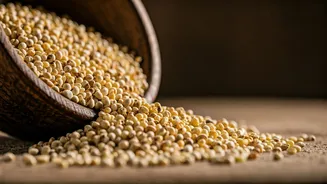
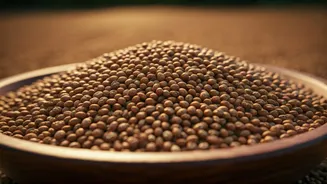
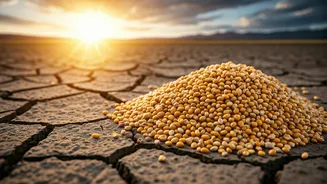
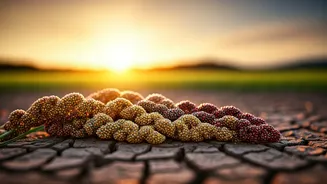
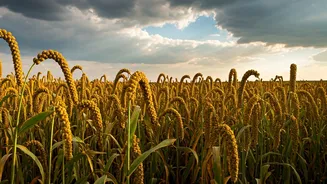
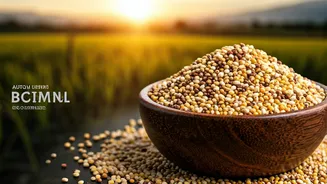
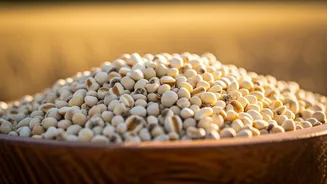
Amidst this climate uncertainty, attention is turning back to millets—a group of small-seeded grasses like Jowar (sorghum), Bajra (pearl millet), and Ragi (finger millet). Once a staple in the Indian diet, these grains were sidelined during the Green Revolution of the 1960s, which favoured high-yielding but water-thirsty rice and wheat. Branded as "poor man's food," their cultivation declined as government policies, including the Public Distribution System (PDS), heavily subsidized rice and wheat. Now, facing recurring droughts and the effects of climate change, India is rediscovering these ancient grains, not just as a backup, but as a primary solution.
Built for a Harsh Climate
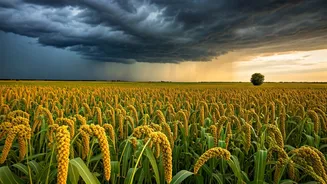
Millets are uniquely suited to India's environmental challenges. They are famously drought-resistant, with some varieties requiring 70% less water than rice. Their efficient root systems and C4 photosynthesis allow them to thrive in arid zones, marginal soils, and high temperatures where other cereals would fail. Many millet varieties have a shorter crop cycle, allowing them to 'escape' periods of severe drought. This resilience makes them an ideal crop for rain-fed agricultural regions, which constitute a large part of Indian farming, offering a dependable alternative when the monsoon falters.
More Than Just a Farmer's Friend
The benefits of millets extend far beyond the farm. Nutritionally, they are powerhouses. Compared to refined rice and wheat, millets are significantly richer in dietary fibre, protein, and essential minerals like iron and calcium. For example, Ragi contains over ten times the calcium of rice or wheat, while Bajra is a rich source of iron. With a lower glycemic index, they are an excellent food for managing blood sugar levels, making them beneficial for diabetics. As they are also gluten-free, millets cater to a growing health-conscious consumer base, positioning them as a modern superfood that addresses widespread nutritional deficiencies.
The Policy Push
The Indian government has recognized this immense potential. Following the UN-endorsed International Year of Millets in 2023, there has been a significant policy push. Initiatives like the National Food Security Mission (NFSM) have included millets in their targets, and schemes like the Production Linked Incentive (PLI) for food processing are promoting value-added millet products. States like Chhattisgarh and Karnataka are launching their own millet missions, providing input grants to farmers, and establishing a robust processing ecosystem. This multi-pronged support aims to make millet cultivation more profitable and build a resilient value chain from farm to fork.
Hurdles on the Path to Revival
Despite the clear advantages, a widespread shift to millets faces significant hurdles. Decades of focusing on rice and wheat have resulted in weak market linkages, a lack of high-yielding seed varieties, and underdeveloped processing infrastructure for millets. Manual processing is laborious, and consumer demand, though growing, is still low compared to traditional staples. For farmers, lower profitability compared to MSP-supported crops like paddy remains a major disincentive. Overcoming these challenges requires sustained investment in research, creating better market access, and running awareness campaigns to reintegrate millets into the nation's diet.