




A Journey to the Solar System’s Fringe
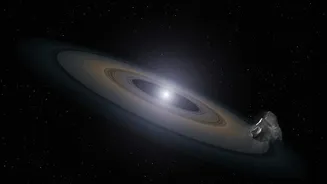
Beyond the orbit of Neptune lies the Kuiper Belt, a vast, donut-shaped region of icy bodies that are pristine remnants from the birth of our solar system over 4.5 billion years ago. Think of it as a cosmic deep freeze, preserving the original ingredients
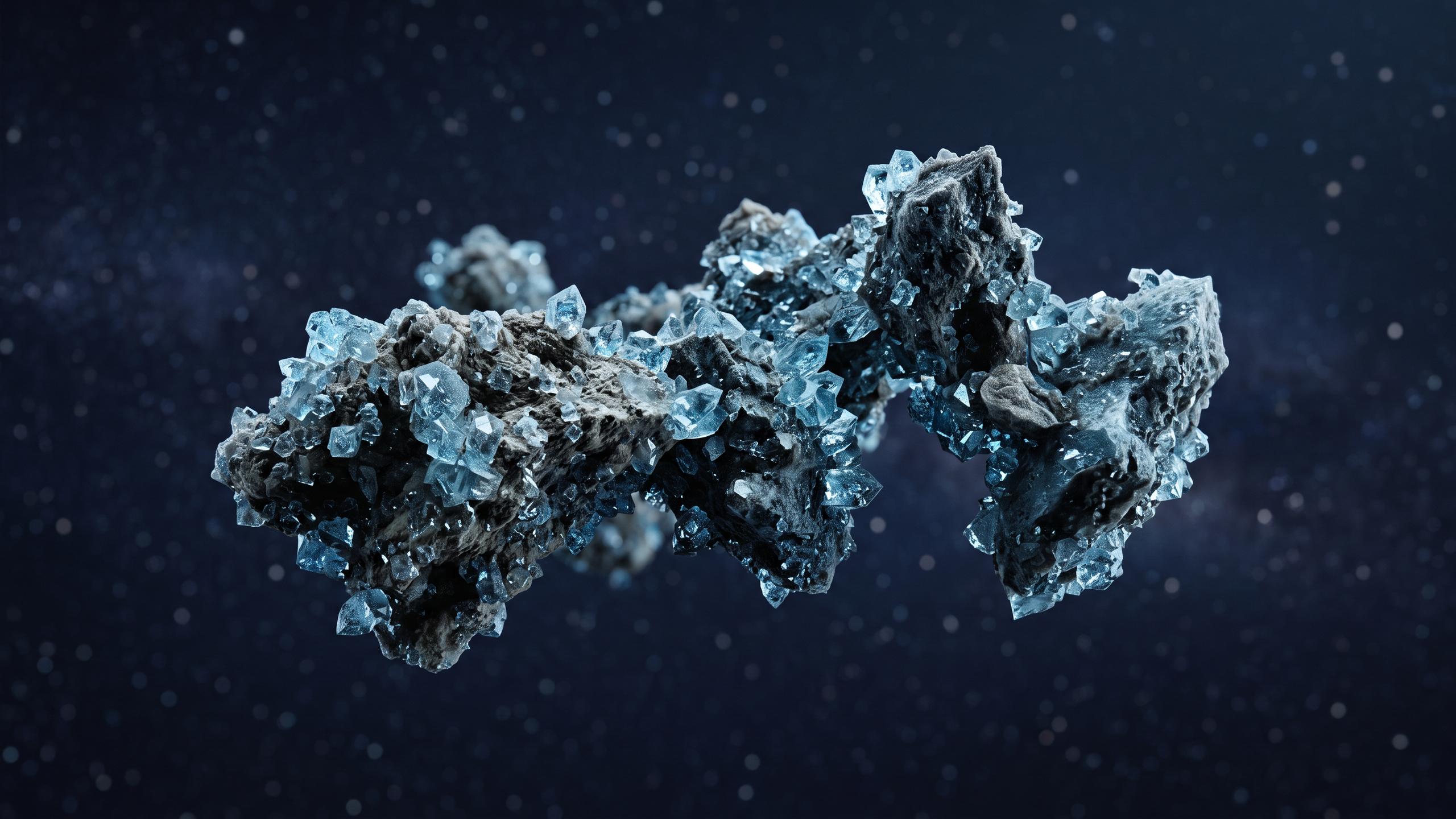
that built the planets. For decades, many scientists have theorized that comets, which are essentially dirty snowballs originating from this frigid zone, were responsible for delivering water to a young, hot Earth after it had cooled. These comets would have crashed into our planet, filling the oceans over millions of years. To test this, scientists needed to analyze the composition of material from this distant region, a task easier than done. A recent analysis of interplanetary dust particles collected from Earth's stratosphere provided the breakthrough. These particles showed signs of long exposure to solar radiation, confirming their origin in the Kuiper Belt.
The Cosmic Fingerprint of Oxygen
The key to tracing water's origin lies in its atomic makeup. Water is famously H₂O—two hydrogen atoms and one oxygen atom. But not all oxygen atoms are identical. Like different models of the same car, elements can come in slightly different versions called isotopes, which have the same number of protons but a different number of neutrons, giving them different weights. Oxygen has three stable isotopes: the common Oxygen-16 and the much rarer 'heavy' Oxygen-17 and Oxygen-18. The specific ratio of these isotopes in a substance acts like a fingerprint, revealing where in the solar system it formed. Materials from the inner solar system, where Earth is, have a different oxygen signature than materials formed in the colder, outer reaches. By comparing the oxygen isotope fingerprint of Earth’s oceans to that of Kuiper Belt material, scientists could finally see if they were a match.
What the Dust Study Found
The results of the new study, published in the journal 'Science Advances', were definitive and surprising. The analysis of the Kuiper Belt dust showed that the hydrated minerals within it were formed with water rich in 'heavy' oxygen isotopes. This isotopic fingerprint is significantly different from the water found in Earth’s oceans. The study provides compelling evidence that a vast reservoir of this heavy water exists in the outer solar system, a reservoir that was largely separate from the materials that formed our own planet. If comets from the Kuiper Belt were the primary source of our water, their oxygen isotope ratio should match that of our oceans. The fact that it doesn't presents a major challenge to the popular comet delivery theory.
If Not Comets, Then Where Did Our Water Come From?
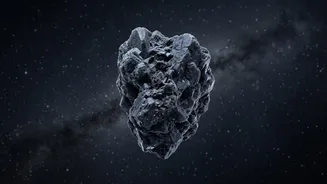
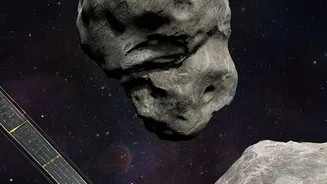
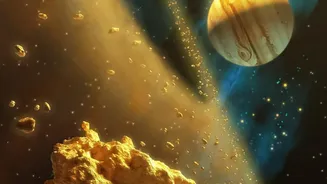
This discovery strongly suggests that Earth's water is not an import from the distant fringes of the solar system. Instead, it points toward a more 'local' origin. The leading alternative theory is that Earth’s water was delivered by a different type of object: water-rich asteroids, specifically a class known as carbonaceous chondrites. These asteroids formed closer to home, in the main asteroid belt between Mars and Jupiter. Geochemical studies have shown that the water in these asteroids has an isotopic composition much closer to that of Earth's oceans. Another possibility is that water wasn't delivered at all, but was 'homegrown'. In this scenario, water-bearing minerals were part of the initial rocky material, the planetesimals, that coalesced to form the Earth from the very beginning. Essentially, our planet was built with its water already included.
A New Chapter in Our Solar System's Story
This finding does more than just rewrite the story of Earth’s oceans. It provides a crucial data point for understanding the architecture of our entire solar system. The clear distinction between the composition of the inner and outer solar system materials helps scientists refine their models of how the planets formed and where different elements were distributed in the early, swirling disk of gas and dust around the young Sun. Knowing that the Kuiper Belt has a unique isotopic signature helps us understand the conditions in that region and why it evolved so differently from our own neighborhood. Discoveries like these, piecing together the solar system's 4.5-billion-year history, continue to show that even the most distant, frozen specks of dust can hold the secrets to our own origins.