





An Age-Old Culinary Tradition
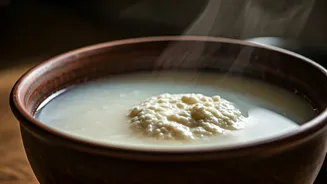
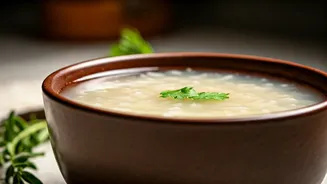
Known by many names across India—Panta Bhat in Bengal, Pakhala in Odisha, or Pazhaya Soru in Tamil Nadu—fermented rice water soup is the epitome of humble, resourceful cooking. The concept is brilliantly simple: leftover cooked rice is soaked in water and
left to ferment overnight in a clay pot. The next day, this mildly sour, soupy rice is typically seasoned with salt and eaten with simple accompaniments like onions, green chillies, pickles, or a piece of fried fish. What was once a practical way for farmers and labourers to have a nutritious, cooling meal has now captured the attention of wellness experts for its incredible health benefits.
A Natural Probiotic Powerhouse
The magic of this dish lies in the process of fermentation. When rice is left to soak overnight, lactic acid bacteria naturally present in the environment begin to break down the carbohydrates. This process creates a wealth of probiotics—live beneficial bacteria that are crucial for a healthy gut microbiome. A balanced microbiome is linked to improved digestion, better nutrient absorption, and a stronger immune system. Unlike many commercial probiotics that may not survive the journey through the stomach, the probiotics in freshly fermented foods are robust. This simple rice soup essentially becomes a natural, homemade synbiotic, providing both probiotics (the good bacteria) and prebiotics (the fibre from rice that feeds them).
More Than Just Gut Health
The benefits of fermented rice water extend beyond digestion. It is an excellent source of hydration, making it a perfect summer meal to combat heat and prevent dehydration. The fermentation process also increases the bioavailability of certain nutrients. For instance, it is known to produce B-vitamins, particularly Vitamin B12, which is often lacking in vegetarian diets. The lactic acid produced during fermentation can also help break down anti-nutrients found in rice, making minerals like iron, calcium, and magnesium easier for the body to absorb. It's a light, easily digestible meal that provides a steady release of energy without causing a heavy, lethargic feeling.
Ancient Wisdom Meets Modern Science
While our ancestors consumed this dish out of tradition and necessity, modern science is now beginning to validate its benefits. Studies on fermented foods consistently highlight their positive impact on gut health and overall immunity. While specific research on Panta Bhat or Pakhala is still emerging, the foundational science is solid. The principles are the same as those that make other fermented foods like yogurt, kefir, and kimchi so beneficial. Nutritionists are increasingly recommending the inclusion of such traditional, naturally fermented foods in our diet as a more sustainable and affordable alternative to expensive supplements. They represent a return to whole, unprocessed foods that work in harmony with our bodies.
How to Prepare It at Home
Making your own fermented rice soup is incredibly easy. Simply take leftover cooked rice (preferably a local, parboiled variety) and place it in an earthen or glass bowl. Add enough water to submerge the rice completely, cover it loosely, and let it sit at room temperature overnight, or for about 8-12 hours. By morning, the water will turn slightly cloudy and have a tangy aroma—a sign of successful fermentation. To eat, gently mash the rice, add salt to taste, and mix in finely chopped raw onions, green chillies, and a drizzle of mustard oil for a traditional flavour. Enjoy it as a refreshing breakfast or lunch.