







The Golden Ticket: Visa-Free Travel
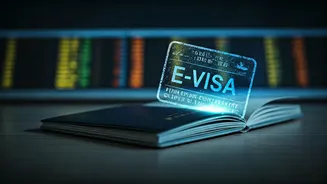
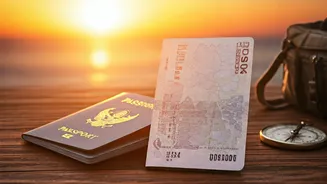
The single biggest catalyst for this travel boom is Thailand’s decision to grant temporary visa-free entry to Indian passport holders. Initially announced in late 2023 and recently extended until November 11, 2024, this policy has been a game-changer.
Previously, Indians had to acquire a visa-on-arrival, which involved paperwork, fees, and potential queues at the airport — all significant friction points for a quick, unplanned trip. By removing this barrier, the Thai government effectively rolled out the red carpet. Now, all you need is a valid passport and a return ticket to enter and stay for up to 30 days. This has prompted a massive surge in interest, with travel platforms like EaseMyTrip and Thomas Cook India reporting booking and query increases of over 30-40% almost immediately after the policy was announced. The appeal is simple: less planning, more holiday.
Why the Long Weekend is Perfect
Thailand’s geography and flight connectivity make it uniquely suited for a short break from India. With direct flights from major cities like Delhi, Mumbai, Bengaluru, and Kolkata taking between four to six hours, you can leave on a Thursday night and be sipping coconut water on a beach by Friday morning. A long weekend provides just enough time—three to four days—to get a real taste of the country without eating into your annual leave. You can immerse yourself in Bangkok’s vibrant street life, relax on the shores of Phuket, or explore the markets of Chiang Mai. This short-haul convenience, combined with the new visa ease, has created a perfect storm for impulsive travel decisions. Travellers no longer need to plan months in advance; a public holiday or a couple of extra days off is now a legitimate excuse for an international adventure.
Choose Your Adventure: Bangkok vs. The Beaches
For a spontaneous trip, it’s best to stick to one core area to avoid wasting time on internal travel. Your choice largely boils down to two classic experiences. For city lovers and first-timers, Bangkok is unbeatable. Over a long weekend, you can explore the magnificent Grand Palace and Wat Pho, cruise the Chao Phraya River, shop till you drop at Siam Paragon or Chatuchak Weekend Market, and dive into the world-famous street food scene. For those craving sun and sand, Phuket is the go-to. You can spend your days island-hopping to the famous Phi Phi Islands, relaxing on Patong or Karon beach, and enjoying the lively nightlife. Both destinations are well-equipped for tourists, with a vast range of hotels, easy transportation options like Grab (the local Uber), and endless activities, making them ideal for a hassle-free short stay.
Making the Spontaneous Trip Happen
Planning a last-minute trip doesn't have to be chaotic. First, set up price alerts on flight aggregators like Skyscanner or Google Flights for your preferred dates. Airlines like IndiGo, Vistara, and Thai Airways often have competitive fares. For accommodation, look beyond traditional hotels. Apps like Agoda and Booking.com often have last-minute deals on everything from boutique guesthouses to luxury resorts. Pack light—Thailand’s climate is tropical, so breathable fabrics are your best friend. Essentials include sunscreen, a hat, comfortable walking shoes, and a universal adapter. Inform your bank about your travel plans to avoid any issues with your cards. Finally, download an offline map of your destination city on Google Maps; it can be a lifesaver when you’re navigating without consistent data.
Cost and Other Considerations
One of Thailand's enduring appeals is its affordability. While last-minute flights can be pricier, the on-ground expenses remain incredibly reasonable. A delicious street food meal can cost less than ₹200, and local transport is cheap. The visa-free scheme itself saves you the 2,200 Thai Baht (approximately ₹5,000) fee for a visa-on-arrival, which can be spent on an extra massage or a nice dinner instead. It's wise to carry some Thai Baht (THB) in cash for smaller vendors and street markets, though credit cards are widely accepted in larger establishments. While English is common in tourist areas, learning a few basic Thai phrases like 'Sawasdee' (hello) and 'Khop Khun' (thank you) goes a long way in showing respect and connecting with locals.