








The Great Monsoon Tease
The feeling of being stuck in a pre-monsoon sauna is no illusion. This period is marked by a phenomenon known as 'pre-monsoon sultriness'. As the southwest monsoon system moves north, it pushes vast amounts of moisture from the sea into the atmosphere
over northern India. This is why the humidity has been so oppressive, even before the widespread rains have begun. This moisture-laden air is what’s causing the sky to appear cloudy and tease the possibility of a downpour, only for the sun to break through and amplify the discomfort. Delhi has been experiencing some of its warmest mornings in years, with minimum temperatures staying stubbornly high. This is because the humid air acts like a blanket, trapping the heat that radiates from the ground overnight.
So, Where Are the Rains?
You’re not just imagining it—the monsoon is officially delayed. The normal date for the monsoon's arrival in Delhi is around June 27. However, both the India Meteorological Department (IMD) and private forecasters now expect its full onset to be around July 4 or 5, provided conditions remain favourable. The delay is attributed to a slower-than-usual advance of the monsoon current. Experts point to the interaction of two different wind patterns: dry westerly winds from Pakistan are keeping temperatures high, while southwesterly winds from the Arabian Sea are simultaneously pumping moisture into the region. This combination creates clouds, but not with enough sustained moisture for the widespread, cooling rains everyone is waiting for.
The Meteorologist's Headache
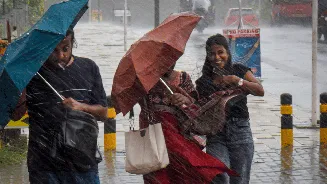
Forecasting during this transitional phase is notoriously difficult. The current atmospheric setup is perfect for creating sudden, localised showers or thunderstorms that are hard to predict with pinpoint accuracy. You might see strong winds and a brief, intense burst of rain in one part of the NCR, while another remains completely dry. This explains why forecasts can change so rapidly and sometimes feel unreliable. The IMD has forecast intermittent light rain, thunderstorms, and gusty winds for the coming days, which may provide temporary relief but don't signify the full arrival of the monsoon. These pre-monsoon showers are expected to cause a gradual drop in daytime temperatures, but the underlying humidity will likely persist until the monsoon trough settles over the region.
It’s Not the Heat, It’s the Humidity
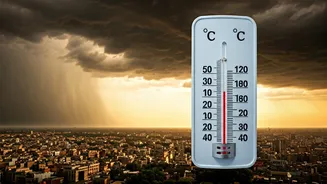
The number on the thermometer doesn't tell the whole story. The 'feels-like' temperature, or heat index, has been soaring to over 50 degrees Celsius on recent days. This is because high humidity cripples the body's primary cooling mechanism: sweating. When the air is already saturated with water vapour, your sweat cannot evaporate effectively to cool you down. This makes the heat feel far more intense and dangerous. The current conditions are a result of 'wet heat' as opposed to the usual 'dry heat' of a Delhi summer. This sticky, oppressive feeling is a clear sign that the monsoon is near, but it also brings significant health risks, making it crucial to stay hydrated and avoid strenuous outdoor activity during peak hours.