


What's Happening and Why?
Tata Motors will increase the prices of its passenger vehicles, including both petrol/diesel (ICE) models and electric vehicles (EVs), by up to ₹25,000 starting September 1. This marks the company's third price revision in 2026, following earlier hikes
in April and July. The company has stated that this increase is necessary to partially offset the impact of rising input costs and sustained inflationary pressures. Essentially, the raw materials and components used to build cars, from steel to EV batteries, have become more expensive. While Tata says it is absorbing a significant portion of these costs, part of the burden is being passed on to customers. This isn't unique to Tata; other major manufacturers like Hyundai and Maruti Suzuki have also recently announced similar price increases, citing the same economic reasons.
Which Models Are Affected?
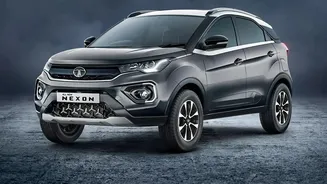
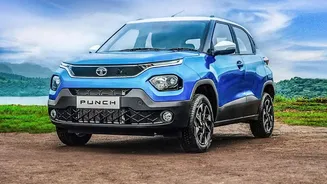
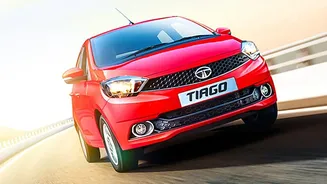
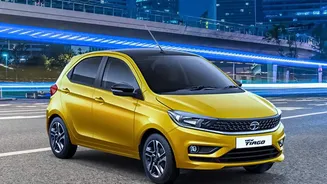
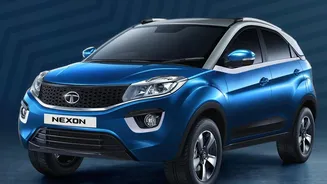
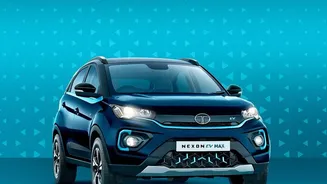
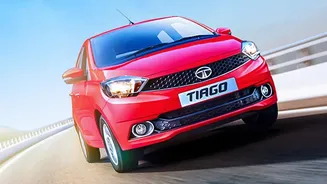
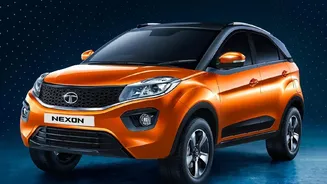
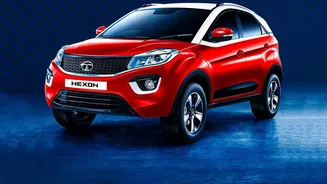
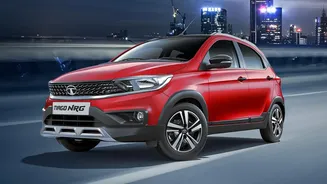
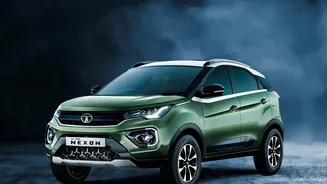
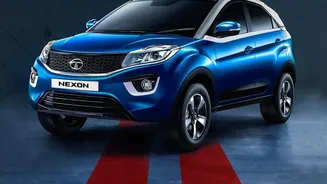
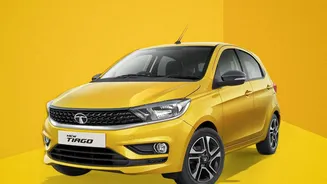
The price hike will be implemented across Tata's entire passenger vehicle portfolio. This includes popular models like the Punch, Nexon, Altroz, Tiago, Tigor, Harrier, Safari, and the newer Curvv and Sierra. Both internal combustion engine (ICE) and electric vehicle (EV) variants will see a price revision. However, the exact increase will vary depending on the specific model and variant. Tata has assured that the adjustments are being made to maintain the overall value proposition of each car. This means that while the sticker price will go up, the company aims to ensure the features and performance still justify the cost relative to the competition.
Step 1: Finalise Your Model Now
With a deadline looming, the first step is to decide which Tata car best fits your needs and budget. Hasty decisions can lead to buyer's remorse, so don't skip the fundamentals. Research the variants of your chosen model—be it a Nexon, Punch, or Harrier—to identify the one with the features you truly need. A higher trim might offer more comforts, but a mid-level variant could provide better value. Read reviews, compare specifications, and most importantly, take a thorough test drive. A car might look perfect on paper, but the driving experience is what truly matters. Rushing this step to save a few thousand rupees might land you with a car you don't enjoy for years to come.
Step 2: Check Waiting Periods and Dealer Inventory
Beating the September 1 deadline isn't just about booking the car; it's about getting it invoiced. This is where waiting periods become critical. Demand for some Tata models is high, leading to significant delivery timelines. For instance, select variants of the Tiago EV and Punch EV can have waiting periods of up to 18-24 weeks. The popular Punch petrol and CNG models can take up to 12 weeks for delivery, especially for the base 'Smart' trim. On the other hand, models like the Tigor, Altroz, and Nexon petrol might be available in as little as one to two weeks. Contact multiple dealerships to inquire about their current stock and expected delivery dates for your chosen variant and colour. A dealer with ready stock is your best bet to secure the current price.
Step 3: Get Your Finances in Order
A car purchase involves more than just the ex-showroom price. Before you even walk into the showroom, have your financial plan ready. Decide on your down payment and determine your budget for the Equated Monthly Instalment (EMI). To expedite the process, it's wise to get pre-approved for a car loan from a bank or financial institution. This gives you a clear idea of your borrowing capacity and interest rate. When negotiating, always focus on the 'out-the-door' price, which includes ex-showroom price, registration, insurance, and any other fees. This prevents any last-minute surprises in the final bill. Having your documents, such as your driver's license, proof of insurance, and trade-in papers, ready will also help speed up the process significantly.
Is Rushing to Buy Always the Smartest Move?
While saving up to ₹25,000 is an attractive proposition, rushing a major purchase is not always wise. Consider the bigger picture. If you rush, you might compromise on your preferred colour or variant due to limited availability. You may also have less room to negotiate with a dealer who knows you're racing against a deadline. Sometimes, waiting can be beneficial. Automakers often introduce discounts and special offers during the festive season, which follows shortly after September. These future deals could potentially offset the price hike. If your need for a new car isn't immediate, taking your time allows for better planning, more choices, and potentially a better overall deal, even if the sticker price is slightly higher.