







The Case for a Morning Practice
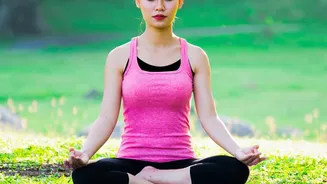
Starting your day with yoga can set a powerful, positive tone. A morning session, particularly an energising one, can help wake up your body and mind, boosting circulation and alertness. Many practitioners find that morning yoga kickstarts their metabolism
and aids digestion. Traditionally, yoga was often practiced in the early hours to align with the body's natural rhythms. This timing works with your body's rising cortisol levels, a hormone that helps you feel awake and alert. A study highlighted that morning yoga participants showed significant benefits in reducing sleep disturbances and improving overall energy levels. This can also lead to healthier lifestyle choices throughout the day. While your muscles might feel a bit stiff at first, a consistent morning practice can gradually improve flexibility and establish a routine that’s less likely to be derailed by the day's distractions.
The Argument for an Evening Session
For many, the end of the day is the perfect time to decompress, and an evening yoga session can be a powerful tool for this. A gentle practice can help release the physical and mental tension accumulated over a busy day. Your body is generally more flexible in the evening, which might allow you to sink deeper into poses with greater ease. The primary benefit of evening yoga is its profound impact on sleep. By calming the nervous system and activating the body’s “rest-and-digest” response, it prepares you for a more restorative night. Studies have shown that regular yoga practice improves both sleep quality and duration by reducing the stress hormone cortisol and potentially increasing melatonin, the sleep hormone. An evening session acts as a buffer, helping your mind shift from the day's chaos to a peaceful state, reducing anxiety and overthinking before bed.
It’s Not Just When, But What You Practice
The debate isn't just about morning versus evening; the type of yoga you do is equally important. Dynamic, energetic styles are best suited for the morning. Vinyasa or 'flow' yoga, with its continuous movement synchronised with breath, is excellent for building heat and energy. Sun Salutations (Surya Namaskar) are specifically designed to warm up the body and increase circulation, making them a morning ideal. Ashtanga and Kundalini yoga are other vigorous styles that can provide a powerful start to the day. In contrast, evening sessions should focus on calming the nervous system. Restorative yoga, which uses props like bolsters and blankets to support the body in gentle poses, is designed for deep relaxation. Yin Yoga is another slow-paced style where passive poses are held for several minutes, targeting deep connective tissues and promoting a meditative state. These practices help activate the parasympathetic nervous system, signaling to your body that it's time to rest and recover.
Listen to Your Body Clock
Ultimately, the optimal time for yoga is deeply personal and can be influenced by your chronotype—your natural tendency to be a “morning lark” or a “night owl.” Your body’s internal clock, or circadian rhythm, regulates your sleep-wake cycle, and aligning your practice with it can enhance the benefits. If you naturally wake up full of energy, a morning practice will likely feel invigorating. If you’re a night owl who struggles in the morning, forcing an early session might feel counterproductive. In that case, an evening practice to wind down might be a better fit. The key is consistency. Research suggests that practicing at the same time each day helps to regulate your circadian rhythm, which can lead to better sleep, more stable energy levels, and improved overall well-being.