





From Pampering to Purpose
The modern traveller is no longer content with a simple escape; they are seeking transformation. The shift is driven by a collective rise in burnout and a desire for more meaningful travel experiences, particularly after the global pandemic prompted a re-evaluation
of personal health and well-being. People are looking for more than just relaxation—they want to recalibrate their lives, learn new skills, or reconnect with themselves on a deeper level. Unlike a typical vacation, which can sometimes leave you needing another holiday, a retreat is intentionally designed to be restorative. This has led to an explosion in themed retreats that cater to specific goals, whether it's healing, adventure, or digital disconnection.
The Rise of the Digital Detox
In our hyperconnected world, one of the biggest emerging trends is the digital detox retreat. With screen fatigue and information overload becoming a real concern, many are actively seeking opportunities to unplug completely. These retreats are often set in remote, nature-focused locations where poor connectivity is a selling point, not a problem. The agenda isn't about isolation but about creating mental space. Activities typically include mindfulness practices, meditation, yoga, and nature walks, all designed to help participants disconnect from their devices and reconnect with their inner selves. The goal is to break the cycle of digital dependence and give the brain a much-needed rest.
Adventure and Active Wellness
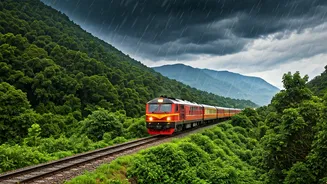
For many, wellness is not about being still but about moving your body. Challenge-led trips and adventure retreats are gaining immense popularity. These experiences centre on activities like hiking, cycling, kayaking, or even mountain trekking, using daily physical effort as a form of active meditation. In India, destinations like the Himalayas and the Western Ghats offer a perfect backdrop for such journeys, combining trekking with yoga and cultural immersion. The idea is that the rhythm of movement and the time spent outdoors replace spa treatments as the primary source of rejuvenation. It's less about being pampered and more about participating in a journey that builds resilience and a sense of accomplishment.
Learning a New Skill
Another significant trend is the rise of skill-based retreats. These focused getaways offer participants the chance to immerse themselves in learning a new craft, from pottery and painting to creative writing and culinary arts. Rather than focusing on relaxation in the traditional sense, these retreats provide a different kind of mental break by engaging the mind in a new and creative way. You might spend a week at a culinary vacation learning about local cuisine or join a writer's workshop in a serene setting to finally start that novel. This form of travel provides not only a break from routine but also a tangible skill and a renewed sense of creativity to take back home.
The Inner Work: Silence and Somatics
Going deeper, many retreats now focus on mental and emotional regulation. Silent retreats, once a niche spiritual practice, are becoming more mainstream. These retreats provide a structured environment for deep introspection without the distraction of conversation. Alongside silence, there is a growing interest in somatic therapies, breathwork, and sound healing. These practices are designed to help regulate the nervous system, which is often overstimulated by the pace of modern life. These 'Nervous System Sanctuaries' are not about achievement but about creating a sense of safety and calm, allowing for genuine mental and emotional recovery.