






Why Your Desk Is Draining You
Sitting for prolonged periods is a recipe for fatigue. When we're slumped in a chair, our major muscle groups are inactive, blood circulation slows, and our posture suffers. This combination sends signals to our brain that it's time to power down, leading
to that familiar brain fog and lethargy. The so-called "afternoon slump" isn't just in your head; it's a physiological response to inactivity. Your body is designed to move, and when it doesn't, it conserves energy by making you feel tired. Breaking this cycle doesn't require a full gym session; it just requires a brief, potent interruption.
The Power of the Wall Sit
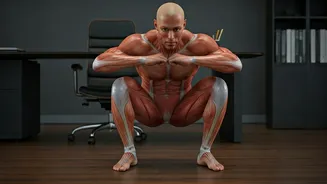
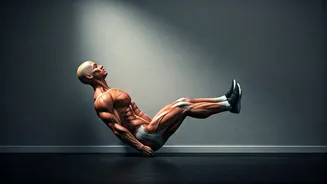
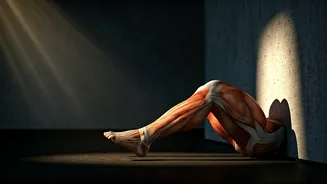
Enter the wall sit, an isometric exercise that packs a surprising punch. Isometric exercises involve contracting your muscles without any visible movement in your joints. By holding the squat-like position, you activate some of the largest muscles in your body: the quadriceps, glutes, and hamstrings. This sudden demand for energy forces your heart to pump more blood to these muscles, increasing circulation throughout your body. This rush of oxygenated blood doesn't just wake up your legs; it also reaches your brain, helping to clear away the mental cobwebs and improve alertness. It’s a powerful reset button for your body and mind.
How to Perform the Perfect Wall Sit
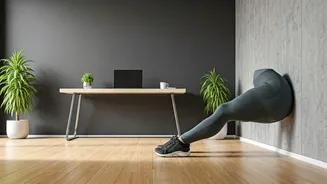
Proper form is crucial to get the benefits and avoid strain. Stand with your back against a smooth, sturdy wall. Walk your feet out about two feet from the wall, keeping them shoulder-width apart. Slowly slide your back down the wall until your thighs are parallel to the floor, as if you were sitting in an invisible chair. Ensure your knees are directly above your ankles, forming a 90-degree angle. Your back, from your shoulders to your lower back, should be pressed firmly against the wall. Keep your core engaged and breathe steadily. Hold this position for 30 to 60 seconds. To stand back up, press your hands against your thighs and slowly slide up the wall.
Common Mistakes to Avoid
To do it safely, watch out for these common errors. First, don't let your knees extend past your toes. This puts excessive pressure on your knee joints and can lead to discomfort or injury. If this happens, simply move your feet further from the wall. Second, avoid arching your back or letting it peel away from the wall; keep it flat to properly engage your core. Third, don't hold your breath. Breathing consistently and deeply is essential for maintaining blood flow and focus. Finally, don't slide down too low. Aiming for a 90-degree angle is the gold standard; going lower can strain your knees and back without adding significant benefit for this purpose.
Make It an Office Habit
The magic of the one-minute wall sit is its convenience. You can do it anywhere you have a wall, with no special equipment or change of clothes needed. To make it a regular part of your day, try linking it to an existing habit. Do a wall sit right after returning from lunch, before you sit down to start a big task, or while waiting for the coffee machine. You can set a recurring alarm on your phone for 3 PM as a reminder. Even better, get a colleague or two involved. A little friendly competition or mutual encouragement can make it a fun, shared ritual that breaks up the monotony of the workday.