





The Allure of a Rainy Day Trip
Before we get into planning, let's appreciate why travelling during the monsoon is so special. From June to September, many of India's most popular destinations shed their tourist crowds, offering a more authentic and peaceful experience. Hotel and travel prices
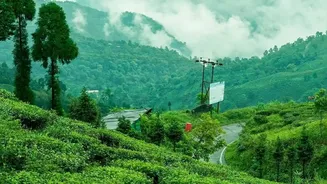
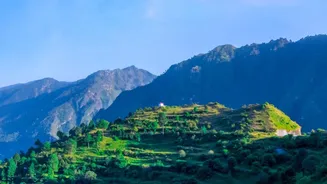
often drop, making luxury stays more accessible. Landscapes in regions like the Western Ghats, Kerala, and parts of Rajasthan come alive, with waterfalls at their peak and valleys cloaked in mist and vibrant greenery. The weather is cooler, the air is cleaner, and the entire atmosphere is one of rejuvenation. This season is a haven for those who appreciate nature, photography, and a slower, more relaxed pace of travel.
Crafting Your Ideal Plan A
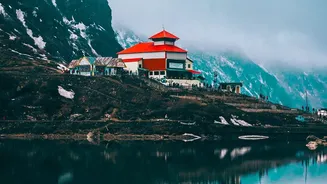
Your 'Plan A' is the dream itinerary—the trip you hope to have. The key is to build it with the monsoon in mind. Start by choosing your destination wisely. While some areas are prone to severe flooding or landslides, others, like the hill stations of the south (Munnar, Coorg, Wayanad) or the less rainy stretches of Rajasthan (Udaipur), are spectacular during this time. High-altitude Himalayan regions like Ladakh are also great choices as they fall in a rain-shadow area. When booking, prioritise flexibility. Look for hotels with good cancellation policies and airlines that allow for easy rescheduling. Build buffer days into your schedule to account for potential transport delays, which are common due to heavy rains. Your Plan A should be optimistic but grounded in the reality of the season.
The Genius of a Great Plan B
This is where savvy travellers separate themselves from the frustrated ones. A 'Plan B' isn't about giving up; it’s about pivoting. If your Plan A involves a long outdoor trek and it gets rained out, what's your backup? It could be a local cooking class, a visit to a nearby tea museum, or exploring indoor markets. If a beach day in Goa is a washout, your Plan B might be to explore the spice plantations, visit the magnificent Dudhsagar Falls, or enjoy a wellness treatment at a local spa. The best Plan B options are typically close to your accommodation, require minimal travel, and don't depend on clear weather. Research these alternatives before you go, so a sudden downpour feels like an opportunity, not a disaster.
Packing for Predictability
Your packing list is crucial for making both Plan A and Plan B work seamlessly. Think lightweight and quick-drying fabrics; leave the heavy cotton and jeans at home. Essential items include a reliable waterproof jacket, a sturdy umbrella, and waterproof footwear with a good grip to handle slippery paths. A waterproof backpack or a rain cover is non-negotiable for protecting your belongings. Also, pack a dry bag for electronics like your phone, camera, and passport. A power bank is a lifesaver during potential power cuts, and insect repellent is a must, as the rainy season sees an increase in mosquitoes. Having these items on hand ensures you’re comfortable and prepared for whatever the weather throws at you.
Embrace the On-Ground Mindset
Once you arrive, stay informed and flexible. Talk to your hotel staff each morning about local conditions, road closures, or weather alerts. Use weather apps, but trust local knowledge more. Most importantly, embrace the spirit of monsoon travel. The rain is not an inconvenience to be endured; it's the main event. A delayed train offers a chance to read a book or chat with fellow travellers. A rainy afternoon is the perfect excuse for a long, leisurely lunch at a local cafe. The goal is not to fight the weather but to work with it. A successful monsoon trip is less about a perfect itinerary and more about a flexible, positive attitude.